
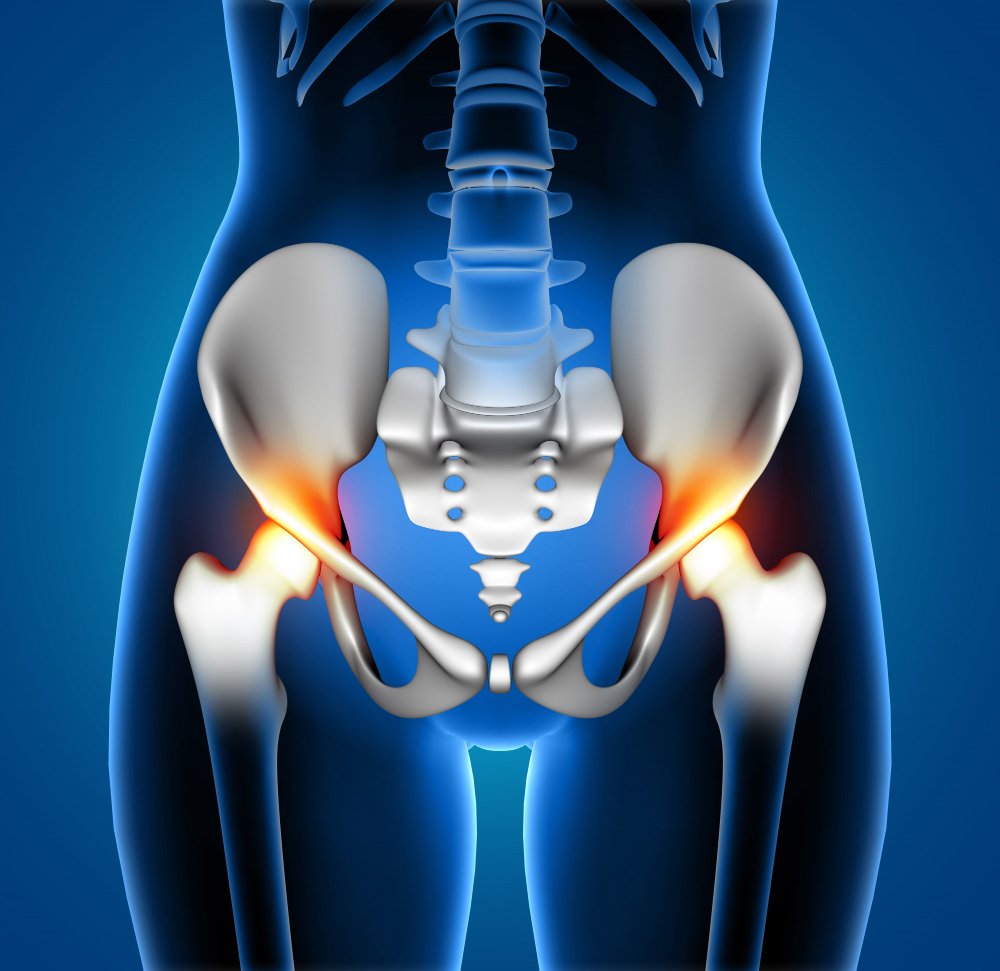
When both hips are affected by arthritis, even simple activities such as walking, climbing stairs, getting out of a chair or sleeping comfortably can become difficult.
If pain and stiffness affect both sides, patients often ask me an important question: Can both hips be replaced during the same operation, or is it better to have two separate surgeries?
The answer depends on your overall health, the condition of your hip joints and the risks associated with each approach.
Bilateral hip replacement is a procedure in which both hip joints are replaced. In selected patients, both hips can be operated on during one surgical session. In other cases, replacing each hip separately, with time to recover between operations, may be the safer option.
As an orthopaedic doctor, I believe patients should understand the benefits, risks and recovery requirements before making this decision. Let me explain the key points in simple terms.
What Is Bilateral Hip Replacement?
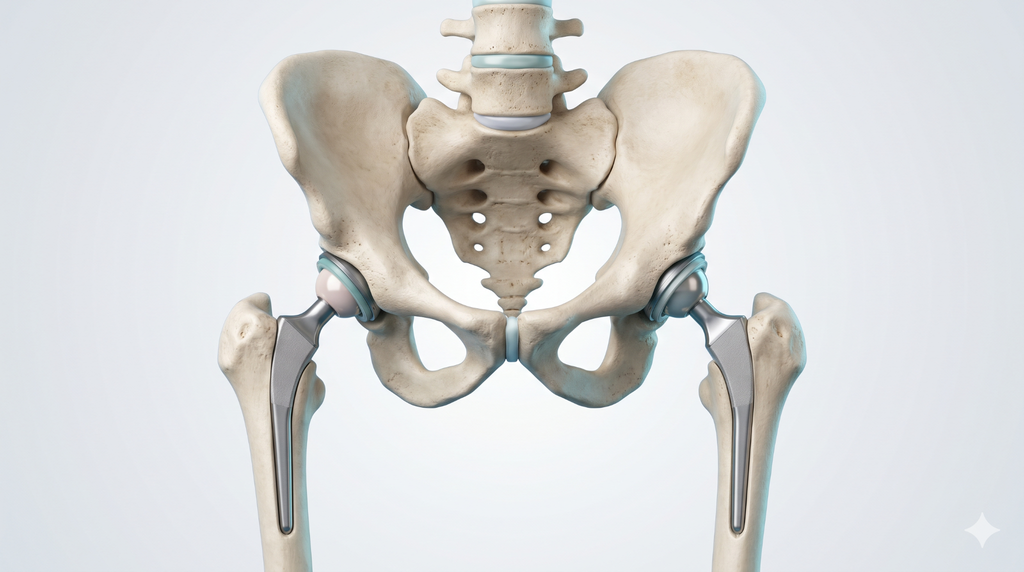
Bilateral hip replacement means replacing both damaged hip joints with artificial joints, also called prostheses. It may be recommended when conditions such as advanced osteoarthritis have significantly affected both hips and non-surgical treatments are no longer providing sufficient relief.
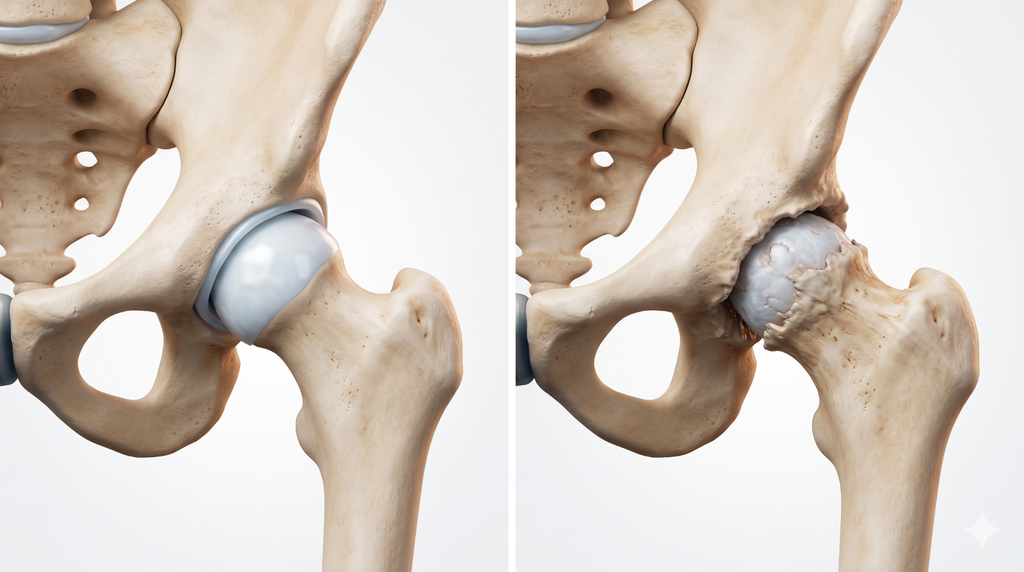
The hip is a ball-and-socket joint. In a healthy hip, smooth cartilage allows the joint to move comfortably. When this cartilage wears down, the bones can rub against each other, causing pain, stiffness and reduced movement.
Hip replacement removes the damaged joint surfaces and replaces them with artificial components designed to restore movement and improve function.
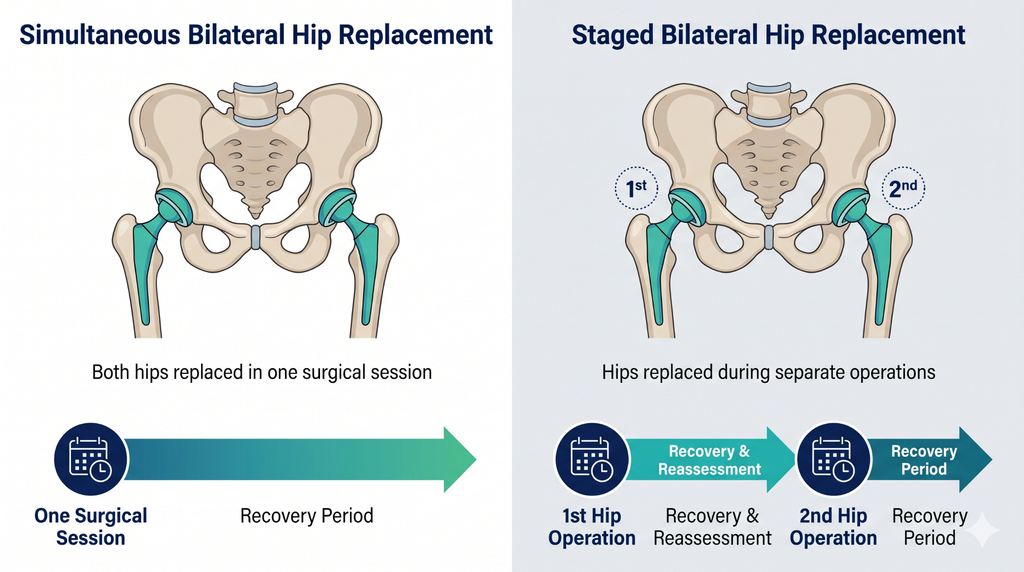
There are two main approaches to bilateral hip replacement:
- Simultaneous bilateral hip replacement: Both hips are replaced during one operation under the same anaesthesia.
- Staged bilateral hip replacement: One hip is replaced first, followed by the second operation after an interval that allows recovery and reassessment.
Neither approach is automatically better for everyone. The decision must be based on an individual medical assessment.
Can Both Hips Be Replaced at the Same Time?
Yes, both hips can be replaced during the same operation in carefully selected patients. This is known as simultaneous bilateral total hip replacement.
However, having arthritis in both hips does not automatically mean that both should be replaced together. Although one operation may reduce the need for a second hospital admission and a separate planned recovery period, it also places greater immediate physical demands on the body.
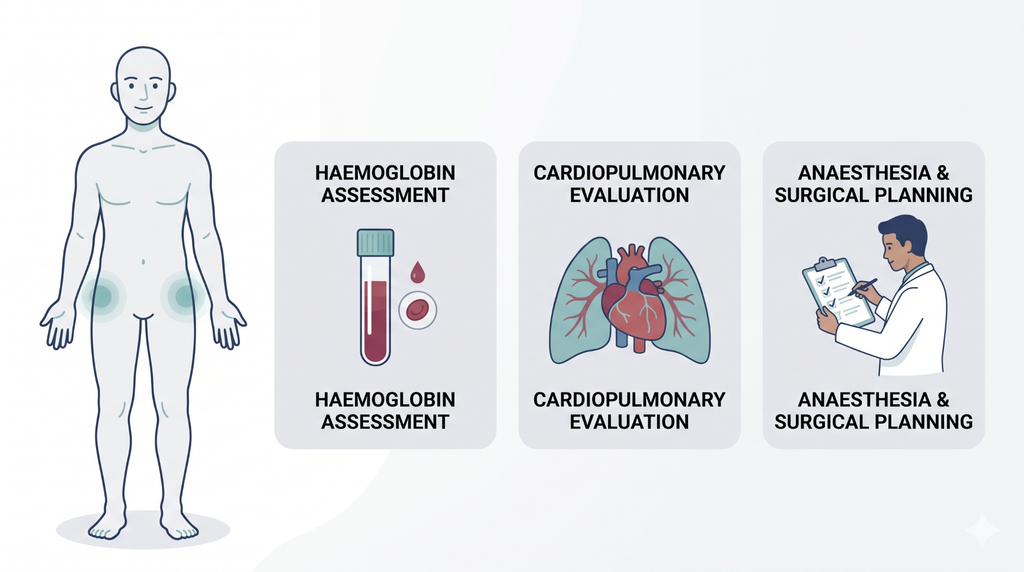
Before recommending simultaneous surgery, I would consider the severity of pain in both hips, your general medical fitness, haemoglobin level, nutritional status, heart and lung health, and ability to participate in rehabilitation.
The anaesthesia team and surgical team must also be satisfied that the potential benefits outweigh the additional risks.
What Are the Benefits of Simultaneous Bilateral Hip Replacement?
For suitable patients, replacing both hips during one surgical session may offer several practical benefits.
1. One main surgical episode
Both hips are treated during the same operation. This avoids planning a second separate operation for the other hip, provided the procedure and recovery progress as expected.
2. One hospital admission in many cases
Patients may avoid a second planned hospital admission. This can be helpful for people who need family support, live far from the hospital or must arrange time away from work.
The actual length of stay depends on medical fitness, pain control, mobility and the hospital’s discharge criteria.
3. A coordinated rehabilitation plan
Physiotherapy and mobility training can begin for both hips during the same recovery period. This avoids having to plan a second separate rehabilitation journey for the other hip.
However, early movement may be more challenging because both hips have undergone surgery.
4. Potential savings in travel and admission-related expenses
One surgical admission may reduce certain travel, accommodation and hospital-related expenses. However, total treatment costs depend on the hospital, implants, medical requirements, length of stay and any complications. Simultaneous surgery is not guaranteed to cost less in every case.
Is Simultaneous Bilateral Hip Replacement Safe?
Safety is one of the most important considerations when deciding whether to replace both hips together.
Compared with replacing one hip, simultaneous bilateral surgery involves a longer and more demanding surgical episode. It can increase blood loss and the need for a blood transfusion. Other potential complications include blood clots, infection, cardiovascular problems and anaesthesia-related complications.
The risk is not the same for every patient. Age alone does not determine suitability; overall health, medical conditions, physical fitness and the findings of the preoperative assessment are important.
Before surgery, the team may review blood tests, haemoglobin, nutritional status, heart and lung health, current medicines and any conditions that could affect healing. Blood clot prevention, pain management and a suitable rehabilitation plan must also be arranged.
If the combined procedure presents too much risk, staged hip replacement may be the more appropriate choice.
Who Is a Suitable Candidate for Bilateral Hip Replacement?
A patient may be considered for simultaneous bilateral hip replacement when:
- Both hips have significant symptoms and joint damage.
- Hip pain substantially affects walking, sleep or everyday activities.
- Non-surgical treatments have not provided sufficient relief or are unsuitable.
- Overall medical fitness is acceptable for a combined procedure.
- Haemoglobin and nutritional status are satisfactory, or correctable concerns have been addressed.
- Existing medical conditions are appropriately assessed and managed.
- The patient can receive the required postoperative support and rehabilitation.
These are general considerations, not a checklist that guarantees eligibility. The final decision requires an examination, review of imaging and relevant investigations, and discussion with the orthopaedic and anaesthesia teams.
Simultaneous vs. Staged Bilateral Hip Replacement: What Is the Difference?
Both approaches aim to treat painful, damaged hip joints, but they differ in timing and the demands of recovery.
| Factor | Simultaneous replacement | Staged replacement |
| Operations | Both hips in one session | Each hip in a separate operation |
| Anaesthesia | One main anaesthesia episode | Separate anaesthesia episodes |
| Hospital admissions | Often one admission | Usually separate admissions |
| Rehabilitation | Both hips recover together | Recovery between operations |
| Early mobility | Can be more demanding | One hip is treated at a time |
| Immediate surgical demand | Greater combined physiological demand | Surgical demand is spread over time |
| Main consideration | Suitability for a combined procedure | Ability to tolerate separate procedures and recover between them |
There is no single approach that is right for every patient. The safest option is the one that provides an appropriate balance between potential benefits, surgical risks and individual recovery needs.
What Is Recovery Like After Bilateral Hip Replacement?
Recovery begins with appropriate pain management, monitoring and physiotherapy. Depending on the patient’s condition and the treating team’s assessment, supported standing and walking may begin early after surgery.
The rehabilitation plan may include:
- Practising safe transfers from the bed to a chair.
- Walking with a walker or other recommended support.
- Performing prescribed exercises to improve strength and mobility.
- Learning how to move safely during everyday activities.
- Following wound-care instructions and attending follow-up appointments.
Because both hips have been operated on, getting around during the early stages can require additional assistance. Arranging help at home, preparing a safe walking space and following physiotherapy advice can make the process more manageable.
There is no fixed recovery timeline for everyone. Progress depends on general health, muscle strength, pain control, the surgical approach and any complications. Your surgeon and physiotherapist will guide you on when to increase activity and return to routine tasks.
When Should You Consider Hip Replacement for Both Hips?
Hip replacement may be considered when persistent pain, stiffness and reduced mobility substantially affect quality of life and non-surgical treatment is ineffective or unsuitable.
Treatment options before surgery may include appropriate exercise, physiotherapy, activity modification, weight management where relevant and medicines recommended by your doctor.
An examination and imaging help assess the extent of joint damage. The decision to proceed with surgery should be based on your symptoms, daily limitations, clinical findings and personal preferences not an X-ray alone.
If both hips are affected, discuss whether simultaneous or staged bilateral hip replacement is appropriate for you.
Consult an Orthopaedic Specialist in Indore
Living with pain in both hips can affect your independence and quality of life. If you have been diagnosed with advanced hip arthritis, understanding your treatment options is an important first step.
At Dr. Tarkit Modi’s Joint & Trauma Clinic, the aim is to help patients understand their condition and make informed decisions about their bone and joint health. If you are considering bilateral hip replacement in Indore, discuss your symptoms, medical history and treatment options with an orthopaedic joint replacement specialist.

Frequently Asked Questions About Bilateral Hip Replacement
1. Can both hips be replaced at the same time?
Yes. Simultaneous bilateral hip replacement is possible in carefully selected patients. The decision depends on overall medical fitness, the severity of symptoms, surgical risks and the ability to complete rehabilitation safely.
2. Is bilateral hip replacement more risky than replacing one hip?
Replacing both hips in one session can involve greater blood loss, a higher likelihood of transfusion and increased physiological demands. The individual risk depends on medical fitness, surgical planning and perioperative care.
3. How long does it take to recover from double hip replacement?
Recovery varies from person to person. Early supported movement may begin soon after surgery, but regaining strength, confidence and independence takes longer. Your surgeon and physiotherapist will advise you based on your progress.
4. Is simultaneous bilateral hip replacement suitable for older adults?
Some older adults may be suitable, while others may benefit from staged surgery. Age alone is not enough to make the decision; heart and lung health, frailty, other medical conditions and functional status must be assessed.
5. Is it better to replace both hips together or separately?
Neither option is universally better. Simultaneous surgery may reduce the number of surgical episodes, while staged surgery allows time to recover between procedures. The right choice depends on your individual risk and circumstances.
6. What tests are needed before bilateral hip replacement?
Assessment may include blood tests, imaging of the hips, a review of existing medical conditions and medicines, and anaesthesia evaluation. Additional cardiac or other investigations may be needed depending on the patient’s health.
7. What is the cost of bilateral hip replacement in India?
The cost varies according to the hospital, implants, surgeon and anaesthesia fees, length of admission, investigations and postoperative care. Ask the treating hospital for an individual estimate based on the proposed procedure.