
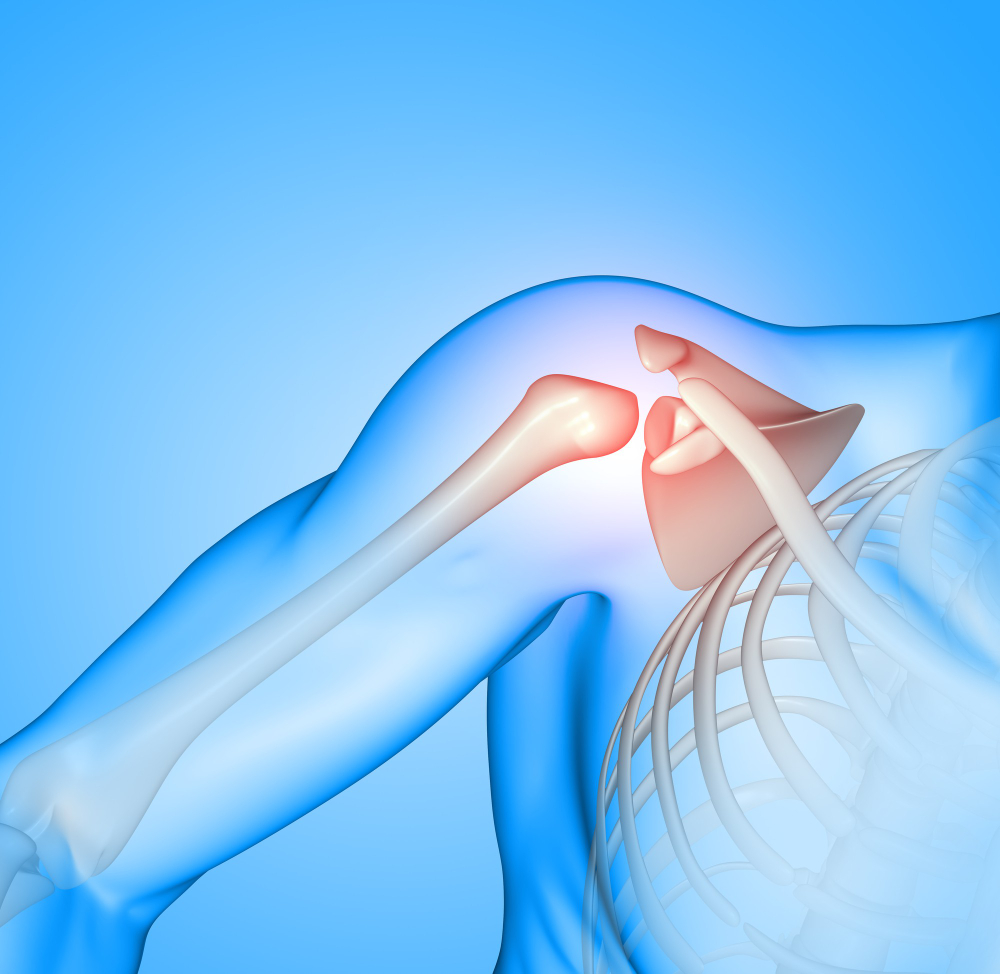
A 45-year-old badminton player ignored his shoulder pain for nearly six months. He assumed it was just muscle strain from playing too often. But lifting his arm above his head slowly became difficult, then painful, then almost impossible. An MRI finally revealed the cause: a rotator cuff tear that had gone untreated for too long.
Stories like this are common. Shoulder pain often gets brushed off as “just stiffness” until it starts interfering with daily life. The good news is that most shoulder problems, including this one, can now be diagnosed and treated through a minimally invasive procedure called shoulder arthroscopy.
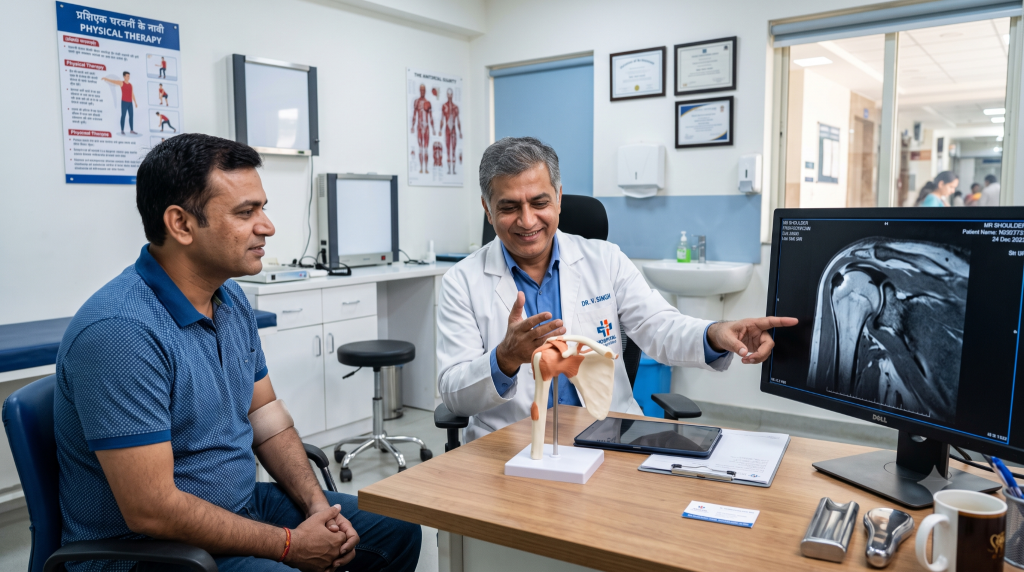
What Conditions Can Be Treated with Shoulder Arthroscopy?
Shoulder arthroscopy can treat rotator cuff tears, shoulder impingement, recurrent dislocation, labral (SLAP) tears, frozen shoulder, bursitis, calcific tendonitis, select cases of arthritis, sports injuries, and loose bone or cartilage fragments. It uses a tiny camera and small incisions, which usually means less pain, less scarring, and a faster recovery than open surgery.
What Is Shoulder Arthroscopy?
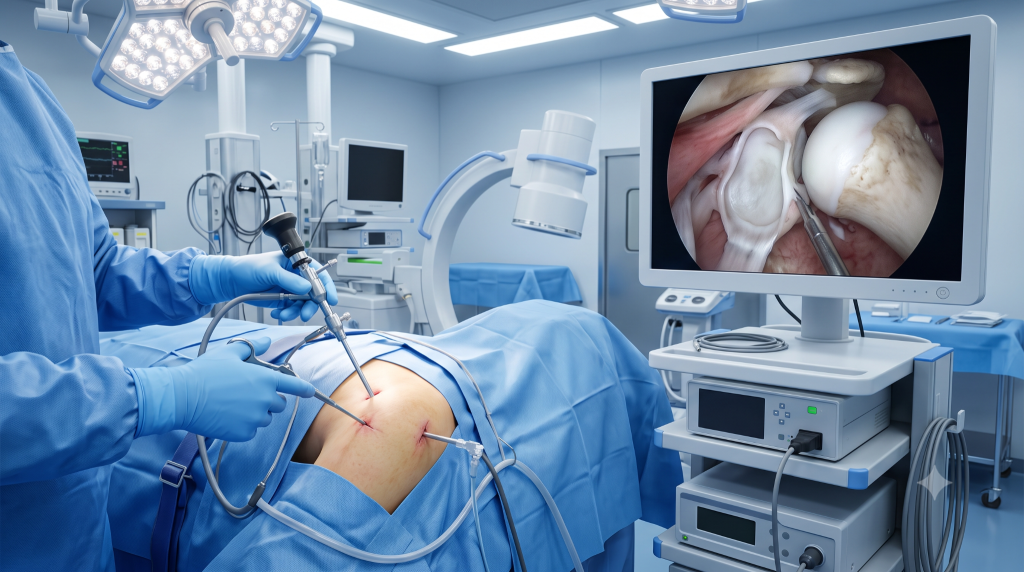
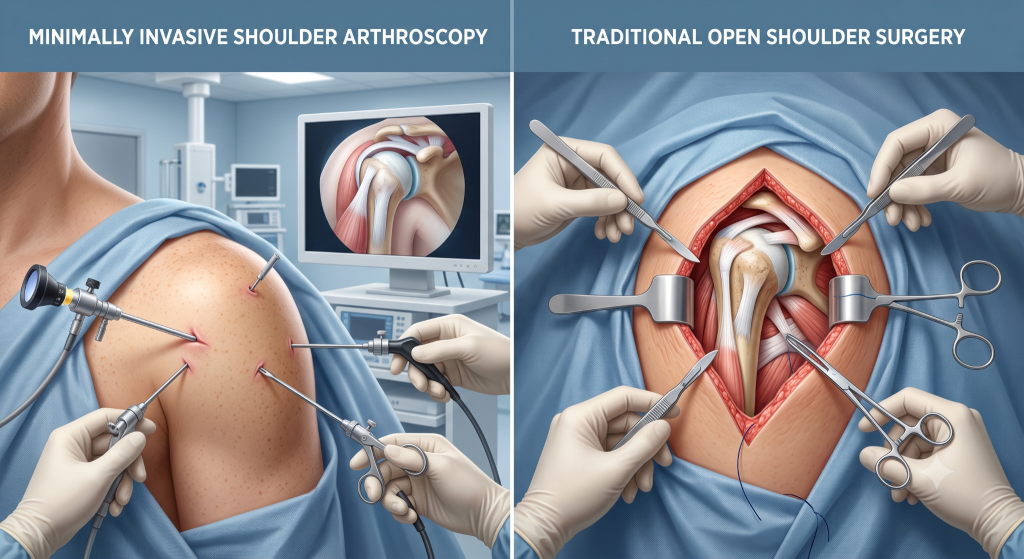
Shoulder arthroscopy is a minimally invasive surgery where a surgeon inserts a small camera, called an arthroscope, through a tiny incision to see inside the joint. Instead of one large cut, the surgeon works through a few small incisions, usually less than a centimeter each.
This approach gives a magnified, detailed view of the joint — often better than what’s possible with a large open incision. It also generally means less blood loss, less post-operative pain, and a quicker return to normal activities.
Why Orthopedic Surgeons Recommend Shoulder Arthroscopy?
Arthroscopy lets surgeons diagnose and treat a problem in the same procedure. If an MRI shows a possible tear but isn’t fully clear, arthroscopy can confirm and repair it in one visit. Recovery is typically faster because the surrounding muscle and tissue stay largely intact.
That said, arthroscopy isn’t automatically the right choice for every patient. The decision depends on the specific diagnosis, how long symptoms have lasted, and how well a patient has responded to non-surgical treatment.
10 Conditions That Can Be Treated with Shoulder Arthroscopy
1. Rotator Cuff Tear
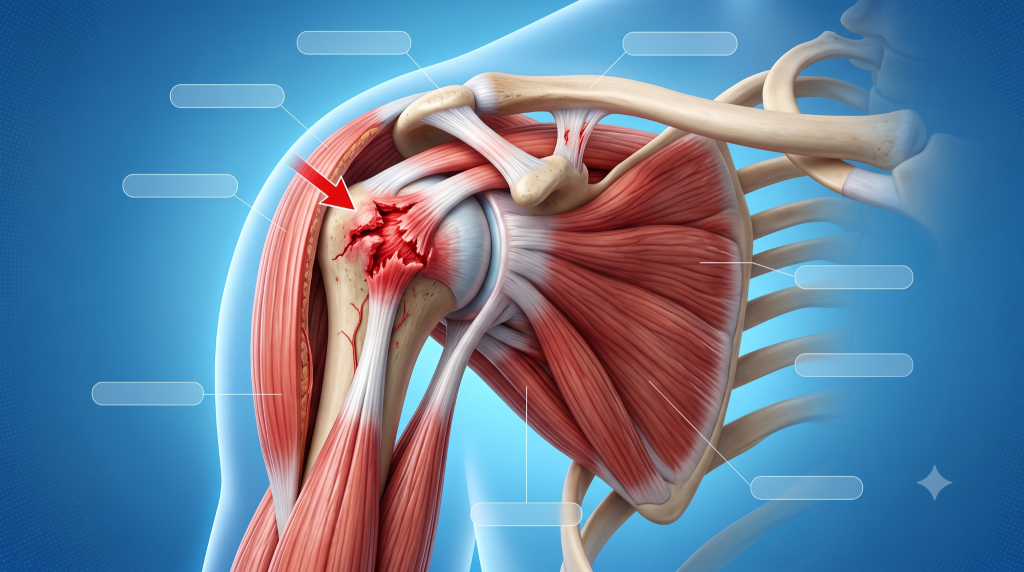
The rotator cuff is a group of muscles and tendons that hold the shoulder joint in place. A tear causes pain, weakness, and difficulty lifting the arm, especially overhead. It’s common in people over 40, particularly if they play racquet sports or do repetitive overhead work. Rotator cuff disease affects roughly 7% to 22% of adults over age 40, and both prevalence and severity rise with age. Arthroscopy is often recommended for larger or symptomatic tears. Small, degenerative tears in older patients may respond well to physiotherapy first.
2. Shoulder Impingement Syndrome
This happens when tendons get pinched between shoulder bones during arm movement, causing pain when reaching overhead. It’s common among swimmers, painters, and office workers with poor posture. Mild cases often improve with physiotherapy and activity changes. Arthroscopy helps when pain persists despite months of conservative treatment.
3. Recurrent Shoulder Dislocation
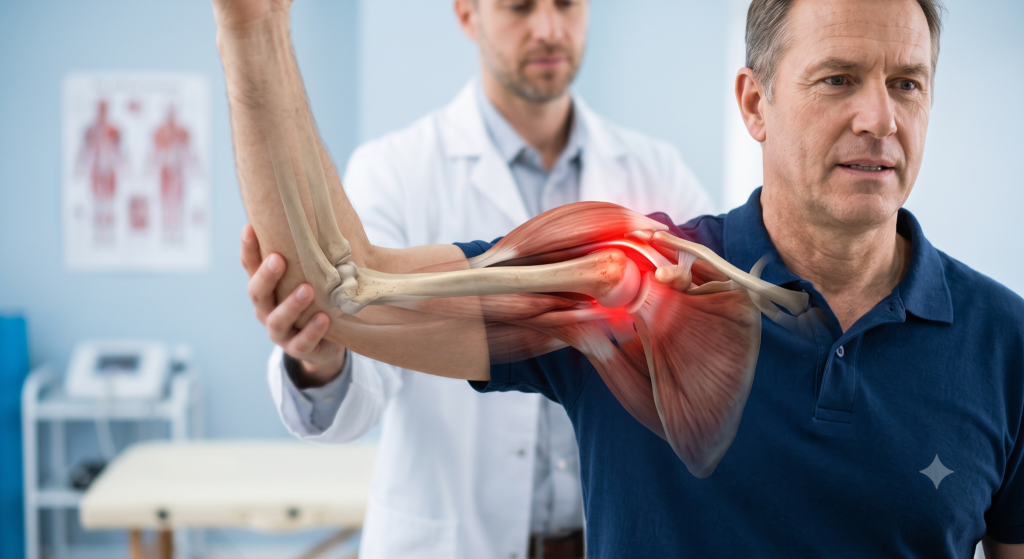
Once a shoulder dislocates, it’s more likely to happen again, especially in younger, active patients. Each dislocation can further damage the joint’s stabilizing structures. Arthroscopy can repair the torn ligaments causing instability, reducing the risk of repeat dislocations. A single, first-time dislocation in an older adult may not need surgery.
4. Labral Tear (SLAP Tear)
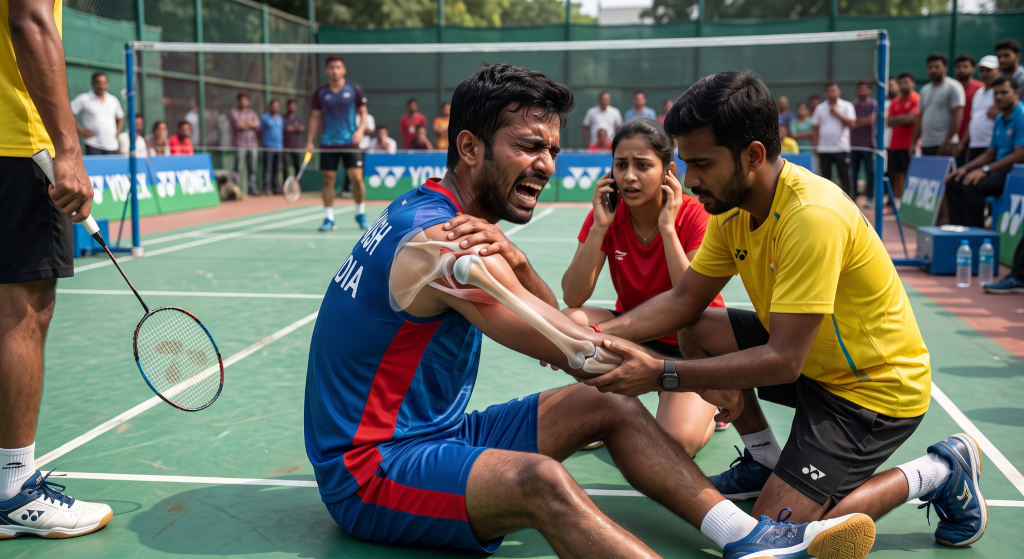
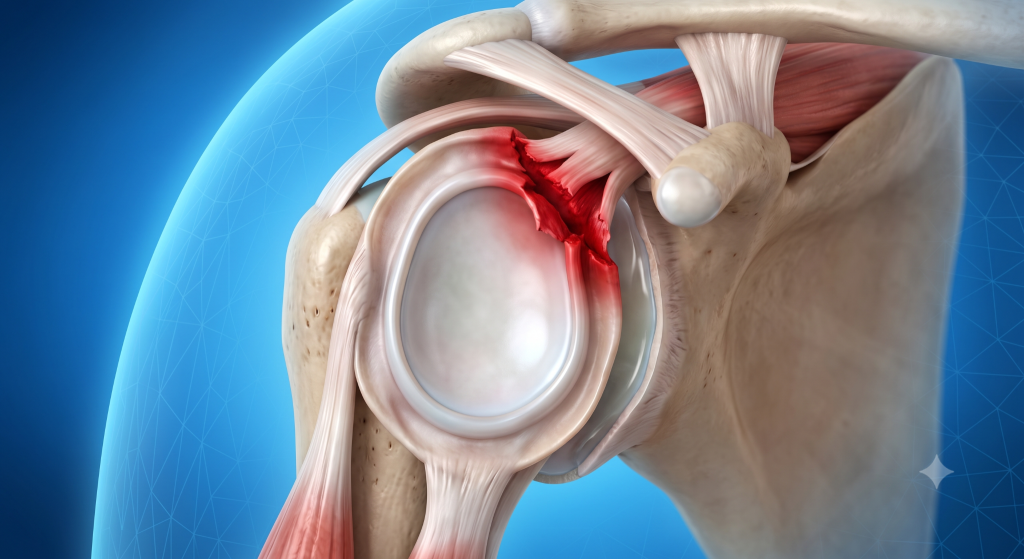
The labrum is a ring of cartilage that stabilizes the shoulder socket. A SLAP tear (Superior Labrum Anterior to Posterior) often occurs from repetitive overhead motion, common in throwing athletes. Symptoms include a catching sensation, deep shoulder pain, and reduced strength. Arthroscopy can repair or trim the damaged labrum depending on the tear pattern.
5. Frozen Shoulder
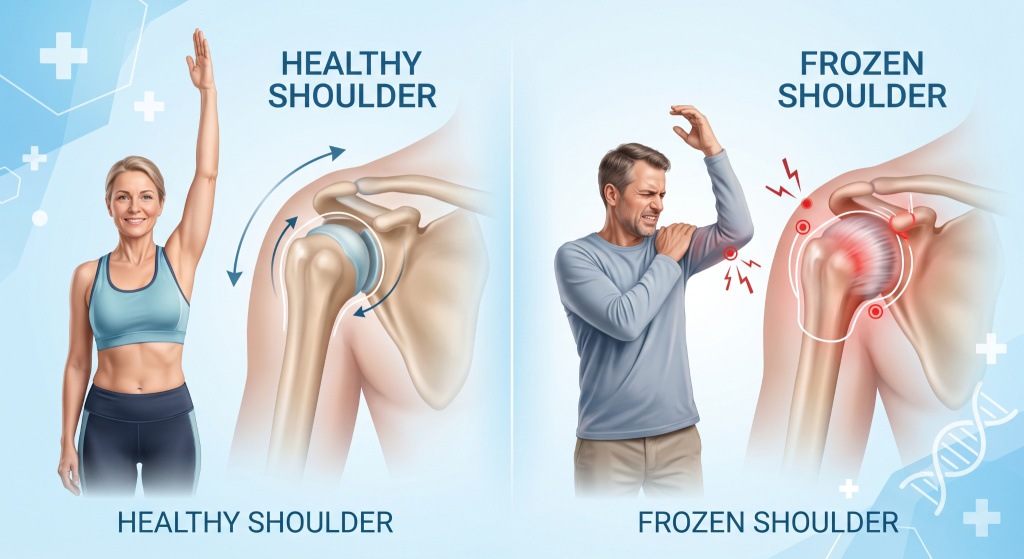
Frozen shoulder (adhesive capsulitis) causes stiffness and a significant loss of motion, often developing gradually. It’s more common in people with diabetes and typically affects adults between 40 and 60. Most cases improve with physiotherapy and stretching over several months. Arthroscopic release is considered only when stiffness doesn’t improve despite prolonged conservative care.
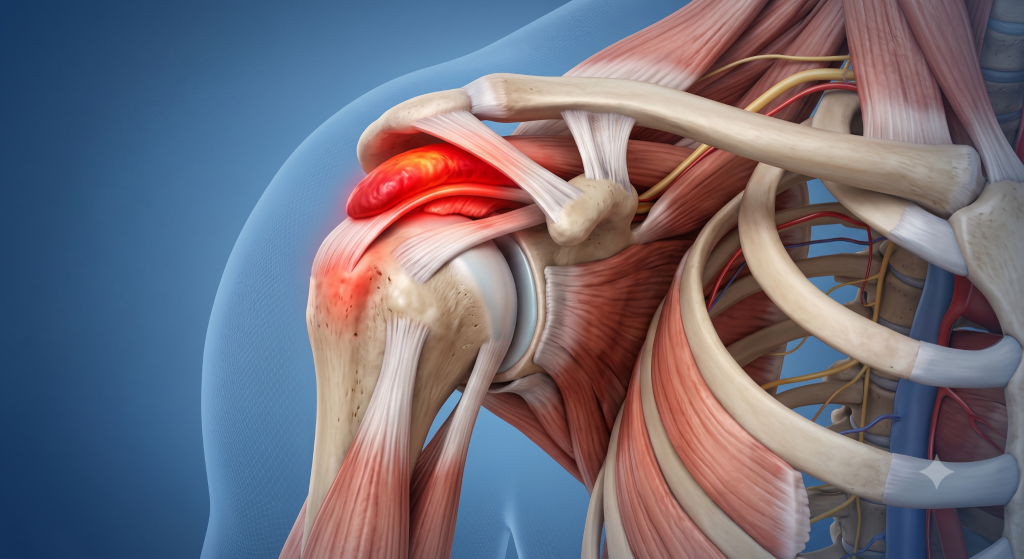
6. Shoulder Bursitis
Bursitis is inflammation of the small fluid-filled sac that cushions the shoulder joint, often triggered by repetitive motion or minor injury. It usually responds well to rest, anti-inflammatory medication, and physiotherapy. Arthroscopy is reserved for chronic, treatment-resistant cases.
7. Calcific Tendonitis
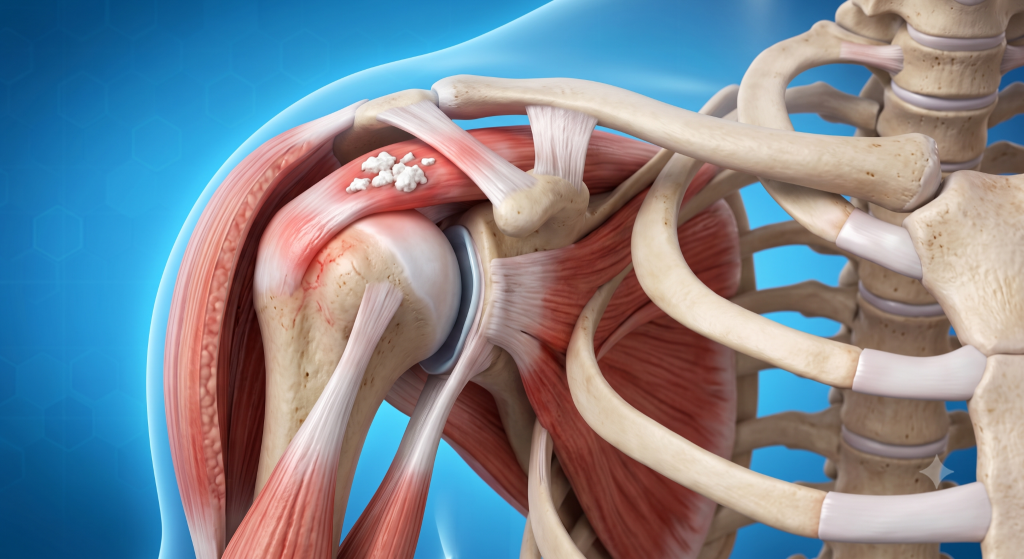
This condition involves calcium deposits forming within the rotator cuff tendon, causing sudden, sharp pain. Many cases resolve with physiotherapy, medication, or a needle-based procedure to break up the deposits. Arthroscopy is considered when pain is severe and doesn’t respond to these simpler treatments.
8. Shoulder Arthritis (Selected Patients)
Arthritis causes cartilage breakdown, leading to stiffness and pain, particularly in older adults. Arthroscopy can help in select, milder cases by cleaning out damaged tissue and loose fragments. Advanced arthritis, however, usually needs shoulder replacement rather than arthroscopy.
9. Sports Shoulder Injuries
Athletes in sports like badminton, cricket, swimming, and tennis are prone to overuse injuries affecting the rotator cuff, labrum, and ligaments. Because these patients often want to return to their sport, arthroscopy is frequently chosen for its faster recovery and lower tissue disruption compared to open surgery.

10. Loose Bone or Cartilage Fragments
Injury or degeneration can cause small bone or cartilage fragments to break loose inside the joint, leading to catching, locking, or a grinding sensation. Arthroscopy allows the surgeon to directly locate and remove these fragments with minimal disruption to surrounding tissue.
When Shoulder Arthroscopy May Not Be Needed?
Surgery isn’t the first step for every shoulder problem. Many patients improve with:
- Physiotherapy to strengthen supporting muscles and restore motion
- Medications to reduce pain and inflammation
- PRP injections in select cases to support tissue healing
- Activity modification to reduce repetitive strain
- Lifestyle changes, such as posture correction and gradual return to activity
Your surgeon should always explain why conservative treatment is or isn’t appropriate before recommending surgery.
Benefits of Shoulder Arthroscopy
- Smaller incisions and less scarring
- Reduced post-operative pain compared to open surgery
- Lower blood loss during the procedure
- Faster return to daily activities
- Better visualization of the joint for accurate diagnosis
- Shorter hospital stay, often same-day discharge
Recovery Timeline
| Recovery Stage | Typical Timeframe |
| Sling use | 2–4 weeks |
| Initial pain relief | 1–2 weeks |
| Physiotherapy begins | Within 1–2 weeks |
| Return to daily activities | 4–6 weeks |
| Return to sports | 3–6 months (varies by procedure) |
Shoulder Arthroscopy vs. Open Shoulder Surgery
| Factor | Arthroscopy | Open Surgery |
| Incision | A few small cuts (under 1 cm) | One larger incision |
| Pain | Generally lower | Generally higher |
| Recovery | Faster | Slower |
| Hospital stay | Often same-day | May require longer stay |
| Scarring | Minimal | More visible |
| Return to work | Sooner | Later |
| Infection risk | Lower | Relatively higher |
Warning Signs That Need Immediate Medical Attention
See an orthopedic surgeon promptly if you experience:
- Sudden inability to lift or move your arm
- A feeling of the shoulder “giving way” or instability
- Pain that wakes you up at night
- Repeated dislocations
- Noticeable weakness in the arm or shoulder
- A significant, sudden loss of motion
When Should You See an Orthopedic Surgeon in Indore?
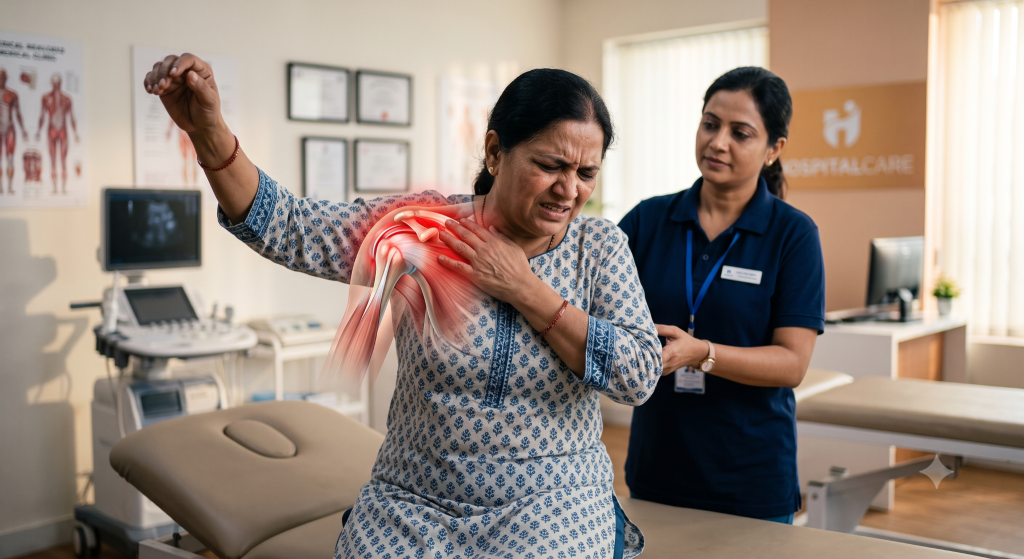
If shoulder pain lasts more than a few weeks, limits your daily activities, or keeps coming back despite rest, it’s worth getting evaluated. An orthopedic surgeon in Indore experienced in shoulder arthroscopy can assess whether your condition needs imaging, physiotherapy, or surgical treatment and explain the reasoning behind that recommendation clearly.
Myth vs. Fact
Myth: Shoulder arthroscopy is always the first treatment option.
Fact: Most shoulder conditions are tried with physiotherapy and medication first. Arthroscopy is considered when conservative treatment doesn’t relieve symptoms.
Myth: Recovery from arthroscopy takes as long as open surgery.
Fact: Because arthroscopy uses smaller incisions, recovery and return to daily activities are typically faster.
Key Takeaways
- Shoulder arthroscopy treats a wide range of conditions, from rotator cuff tears to loose cartilage fragments.
- It’s minimally invasive, using small incisions and a camera for precise diagnosis and treatment.
- Not every shoulder problem needs surgery physiotherapy and medication come first for many patients.
- Rotator cuff disease becomes significantly more common after age 40, making early evaluation important for active adults.
- Recovery is generally faster than open surgery, though timelines vary by condition and tear size.
Frequently Asked Questions
1. What conditions can be treated with shoulder arthroscopy?
Shoulder arthroscopy treats rotator cuff tears, impingement, recurrent dislocation, labral tears, frozen shoulder, bursitis, calcific tendonitis, select arthritis cases, sports injuries, and loose joint fragments all through small incisions with a camera-guided approach.
2. Is shoulder arthroscopy painful?
Most patients experience less pain than with open surgery, since incisions are smaller and tissue disruption is minimal. Some soreness is normal for the first few days, usually managed well with prescribed pain medication.
3. How long does shoulder arthroscopy recovery take?
Basic daily activities often resume within 4–6 weeks, while full recovery, including return to sports, can take 3–6 months depending on the condition treated and how consistently physiotherapy is followed.
4. When is shoulder arthroscopy recommended?
It’s typically recommended when symptoms don’t improve after several weeks of physiotherapy, when imaging confirms significant structural damage, or when instability and dislocations keep recurring despite conservative treatment.
5. Is shoulder arthroscopy better than open surgery?
For many conditions, yes it generally offers smaller scars, less pain, and faster recovery. However, the best approach depends on the specific diagnosis, and open surgery is still necessary for certain complex cases.
6. Can a rotator cuff tear be treated with arthroscopy?
Yes, arthroscopy is a common and effective treatment for rotator cuff tears, especially larger or symptomatic ones. Smaller, degenerative tears in older adults may be managed with physiotherapy first.
7. How long do I need physiotherapy after shoulder arthroscopy?
Most patients need physiotherapy for several weeks to a few months after surgery. It plays a key role in restoring strength, motion, and function safely during recovery.
8. Can I drive after shoulder arthroscopy?
Driving is usually possible once you can comfortably and safely control the steering wheel without pain or restriction, typically a few weeks after surgery. Your surgeon will advise based on your specific recovery.
9. Is shoulder arthroscopy safe for older adults?
Yes, with appropriate evaluation. Age alone doesn’t rule out arthroscopy overall health, the specific condition, and realistic recovery goals matter more than age when deciding on candidacy.
10. When should I consult an orthopedic surgeon in Indore for shoulder pain?
If shoulder pain lasts more than a few weeks, disrupts daily activities, or keeps recurring despite rest, it’s a good time for a proper evaluation to determine whether physiotherapy or further treatment is needed.