
Overview Summary
Before knee replacement surgery, patients should ask their surgeon whether surgery is truly necessary, which procedure type suits their condition, what risks to expect, how long recovery will take, and how long the implant will last. These questions help patients make informed decisions and set realistic expectations. Dr. Tarkit Modi, an orthopedic surgeon in Indore, recommends patients bring these questions to every pre-surgery consultation.
A 58-year-old patient once put off his knee replacement for nearly two years. Not because he was afraid of surgery but because he didn’t know what to ask before agreeing to it. He worried silently about pain, recovery, and whether he’d ever walk normally again. When he finally sat down for a proper consultation and asked the right questions, most of his fear disappeared. He had surgery a few months later and was walking without support within weeks.
That’s the real value of asking questions before knee surgery: it turns fear into clarity.
What Questions Should You Ask Your Knee Surgeon Before Surgery?
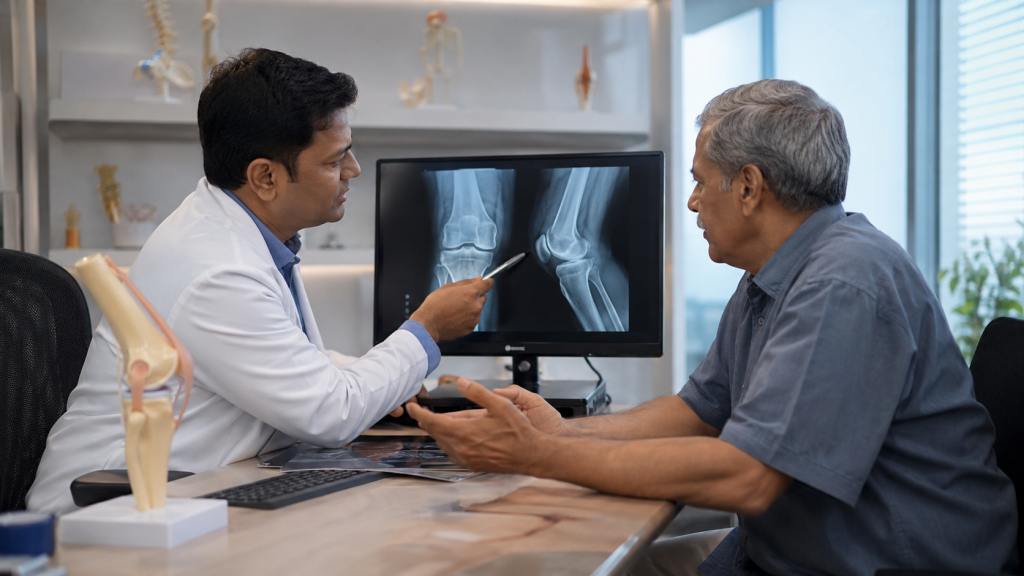
Before knee surgery, ask your surgeon whether surgery is truly necessary, which procedure suits your condition, what risks and complications to expect, how long recovery will take, and how experienced they are with your specific type of surgery. These questions help you make an informed decision and set realistic expectations.

Why Asking Questions Before Knee Surgery Matters?
Knee replacement is a major decision, not an emergency one. Asking clear questions helps you:
- Make an informed choice instead of a rushed one
- Understand realistic recovery timelines
- Set expectations about pain, mobility, and results
- Choose the treatment that actually fits your condition and lifestyle
Patients who understand their procedure beforehand often recover with more confidence and fewer surprises.
Top 10 Questions to Ask Your Knee Surgeon Before Surgery
1. Do I Really Need Knee Replacement Surgery?
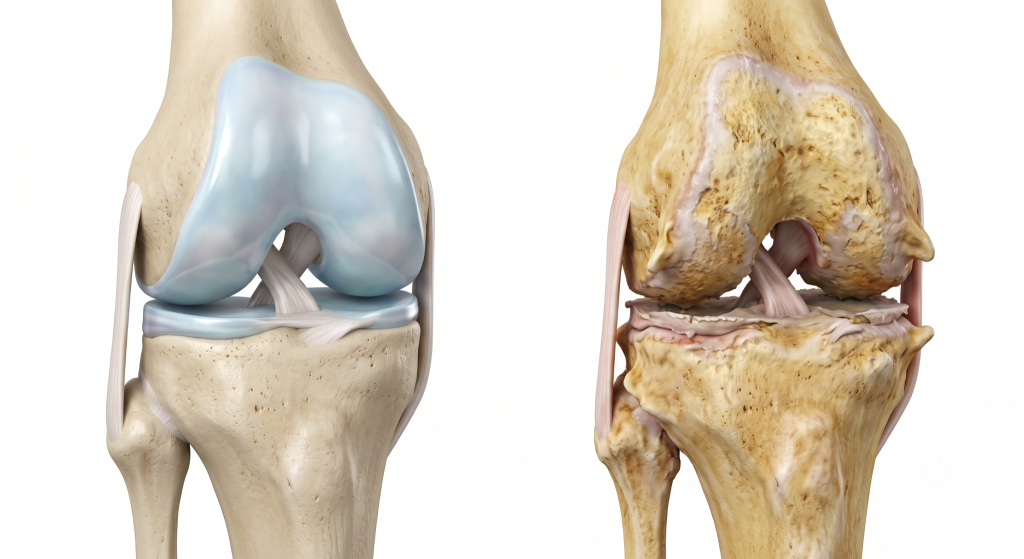
Not every knee pain needs surgery. Surgery usually becomes necessary when cartilage, the cushioning tissue between bones, has worn down significantly, often described as “bone-on-bone” arthritis on an X-ray. If cartilage damage is moderate, physiotherapy, weight management, or injections may still help. Ask your surgeon to show you your X-ray and explain exactly what stage your arthritis is at.
2. Am I the Right Candidate for Knee Surgery?
Candidacy depends on more than just age. Your surgeon should consider your arthritis severity, overall health, weight, and daily activity level. Younger, active patients and older patients with other health conditions may need different approaches. Ask directly: “Based on my health and lifestyle, am I a good candidate right now, or should we wait?”
3. Which Type of Knee Surgery Is Best for Me?
There isn’t just one type of knee surgery. Ask your surgeon to explain the differences:
| Procedure | Best For | Recovery |
| Arthroscopy | Minor cartilage or ligament damage | 2–4 weeks |
| Partial Knee Replacement | Damage limited to one part of the knee | 2-3 weeks |
| Total Knee Replacement | Widespread joint damage | 4-8 weeks |
| Robotic Knee Replacement | Precision placement for complex cases | 3-6 weeks |
4. What Are the Risks and Possible Complications?
Every surgery carries some risk, and knee replacement is no different. Ask about infection risk, blood clots, implant loosening over time, and post-surgery stiffness. A trustworthy surgeon won’t downplay these risks; they’ll explain how they’re minimized with modern surgical techniques and post-operative care.

5. How Long Will Recovery Take?
Recovery happens in stages, and knowing the timeline helps you plan around it.
Typical Recovery Timeline:
- Week 1–2: Hospital stay, initial pain management, first walking attempts with support
- Week 3–4: Walking with a walker or cane, physiotherapy begins in earnest
- Week 5–8: Improved mobility, reduced swelling, walking short distances unaided
- Week 9–12: Most patients return to daily activities; full recovery continues gradually

6. When Can I Walk Again?
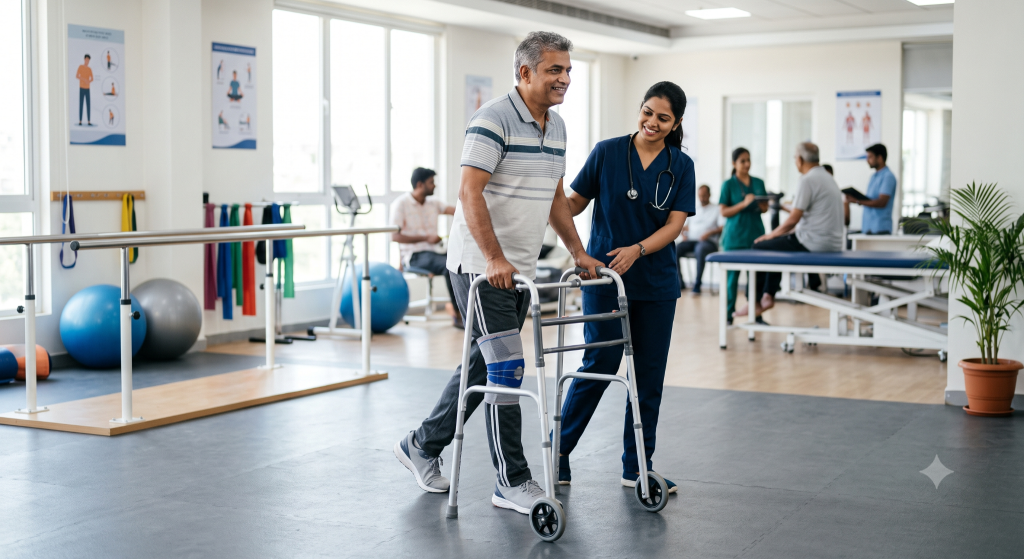
Most patients take their first steps with support within 24–48 hours after surgery, guided by a physiotherapist. Independent walking, without a cane or walker, typically develops over 4–6 weeks, depending on your fitness level and how consistently you follow your rehabilitation plan.
7. How Long Will My Artificial Knee Last?
Modern knee implants are built to last. According to data referenced by orthopedic bodies like the American Academy of Orthopaedic Surgeons (AAOS), many knee implants perform well for 15–20 years or longer, especially with proper care, weight management, and activity levels within recommended limits.
8. What Lifestyle Changes Will I Need?
After surgery, most patients need to avoid high-impact activities like running or jumping, but can return to walking, swimming, cycling, and other low-impact activities. Ask specifically about your favorite activities; your surgeon can tell you which ones are safe to resume and when.

9. How Important Is Physiotherapy?
Physiotherapy isn’t optional it’s often the single biggest factor in a successful recovery. It helps rebuild strength, restore range of motion, and prevent stiffness. Ask your surgeon how many sessions you’ll need, and whether they work with a specific rehabilitation team.

10. How Do I Choose the Right Knee Surgeon?
Look for a surgeon with strong experience in knee replacement specifically, access to modern surgical technology, a hospital with good post-operative care, and someone who takes time to explain your options clearly. A good surgeon-patient relationship, built on honest communication, matters just as much as technical skill.

| Question | Why It Matters | Benefit |
|---|---|---|
| “Do I need surgery now?” | Avoids unnecessary or premature procedures | Confidence in timing |
| “What are the risks?” | Sets realistic expectations | Fewer surprises |
| “How long is recovery?” | Helps you plan work/family life | Better preparation |
| “How experienced are you with this procedure?” | Builds trust in your surgeon | Peace of mind |
If you’re dealing with persistent knee pain, or you’ve been advised to consider knee replacement, you don’t have to figure this out alone. Every patient’s knee condition is different, and the right questions and the right surgeon can make all the difference in how confident and prepared you feel.
If you’re in Indore and looking for guidance from an experienced orthopedic surgeon, I’m here to listen to your concerns, walk you through your options honestly, and help you make the decision that’s right for you.
Frequently Asked Questions
1. Can I avoid knee replacement surgery?
In early to moderate arthritis, physiotherapy, weight management, and injections can sometimes delay or avoid surgery. Once cartilage damage becomes severe, surgery is usually the most effective long-term solution for pain relief and mobility.
2. How successful is knee replacement surgery?
Knee replacement has a high success rate for relieving pain and restoring mobility, according to orthopedic research bodies like AAOS. Most patients report significant improvement in daily function within a few months of surgery.
3. How long does recovery take after knee replacement?
Most patients regain independent walking within 4–6 weeks and see continued improvement over 3 months. Full recovery, including strength and stamina, can take up to a year, depending on individual health and physiotherapy consistency.
4. What are the risks of knee replacement surgery?
Risks include infection, blood clots, stiffness, and implant loosening over time. These risks are relatively low with modern surgical techniques, and your surgeon will discuss precautions specific to your health profile.
5. Will I be able to walk normally after knee surgery?
Yes, most patients regain a normal walking pattern after full recovery and physiotherapy. Some patients notice subtle differences initially, but these typically improve significantly within a few months.
6. How long does a knee implant last?
Many modern knee implants last 15–20 years or longer, particularly with proper weight management and activity levels. Implant longevity also depends on surgical precision and the patient’s overall health.
7. Do I need physiotherapy after knee replacement?
Yes. Physiotherapy is essential for rebuilding strength and restoring full range of motion. Skipping physiotherapy significantly increases the risk of stiffness and slower recovery.
8. Can I climb stairs after knee replacement surgery?
Most patients can climb stairs within a few weeks, starting with support and progressing to independent stair use as strength and confidence improve, usually guided by a physiotherapist.
9. Can I sit cross-legged after knee replacement?
Deep knee bends like sitting cross-legged are often limited after knee replacement, depending on the implant type. Ask your surgeon about your specific range-of-motion expectations before surgery.
10. When can I drive after knee surgery?
Most patients can resume driving around 4–6 weeks after surgery, once they have enough strength and control to safely operate the pedals, and with their surgeon’s approval.
11. Is robotic knee replacement better than traditional surgery?
Robotic-assisted knee replacement can offer greater precision in implant placement for certain cases, but traditional techniques remain highly effective and well-established. Your surgeon can advise which approach suits your specific knee condition.
12. How do I choose the best knee surgeon in Indore?
Look for a surgeon with dedicated experience in knee replacement, access to modern surgical technology, and a track record of clear patient communication. Reading patient experiences and asking about post-operative support can also help.