
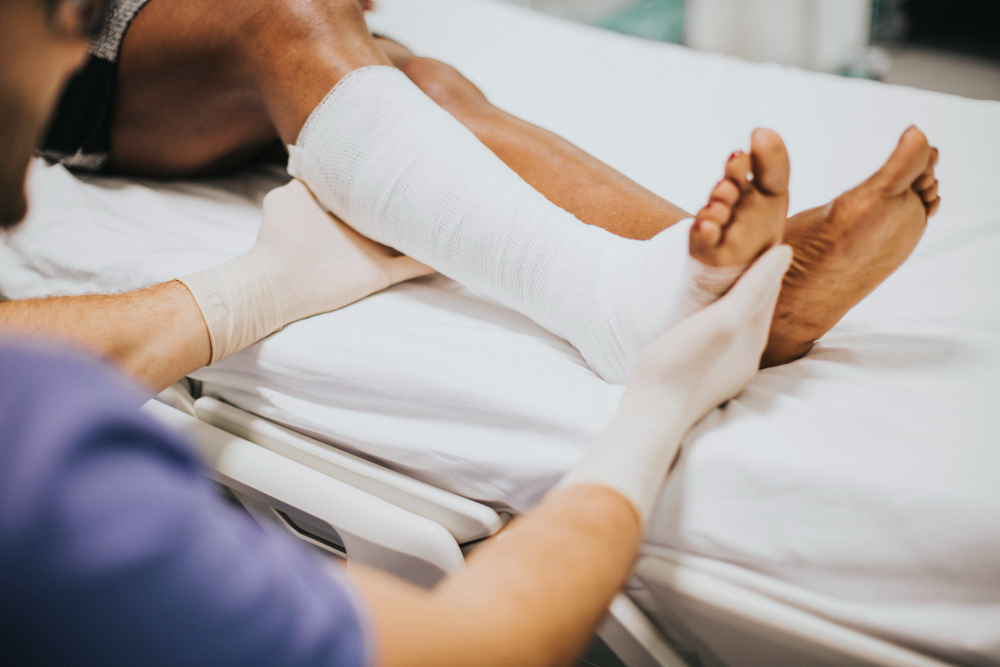
A moment changes everything. When fractures and trauma injuries strike, every minute counts. In India, road traffic accidents cause over 125,000 deaths annually, roughly 10% of global road fatalities, with the most productive age groups (20-40 years) bearing the heaviest burden. Within Indore and Madhya Pradesh, emergency orthopedic care becomes essential following accidents, falls, workplace injuries, and sports trauma.
The quality of immediate orthopedic care determines whether someone recovers completely or faces permanent disability. This is where specialized expertise, rapid response, and modern treatment protocols make the difference between walking normally again and lifelong complications.
Dr. Tarkit Modi, an experienced orthopedic surgeon in Indore, specializes in exactly this scenario, emergency fracture and trauma management. With decades of experience treating acute injuries and life-altering bone breaks, he provides the expert emergency orthopedic care that Indore residents depend on during their most critical moments.
What Is Orthopedic Emergency Fracture and Trauma Care?
Emergency orthopedic care addresses acute bone and joint injuries requiring immediate medical attention. This includes fractures (broken bones), dislocations (bones slipped from their sockets), severe sprains, and soft tissue damage from trauma.
Trauma refers to sudden, severe injury from external force, typically from accidents, falls, or violence. Fractures range from simple breaks to catastrophic injuries where bones splinter into multiple fragments.
In emergencies, the primary goals are:
✓ Stop bleeding and prevent shock
✓ Stabilize broken bones to prevent further damage
✓ Reduce infection risk (especially critical for open fractures)
✓ Restore proper bone alignment
✓ Preserve muscle, nerve, and blood vessel function
✓ Enable complete functional recovery
Emergency orthopedic care at specialized clinics in Indore combines rapid assessment, advanced imaging, surgical expertise, and comprehensive trauma management under one roof.
When Should You Visit an Orthopedic Surgeon for Emergency Injuries?
Seek immediate emergency care if you experience:
- Visible bone deformity – bones appear misaligned or protruding
- Inability to move the injured limb or joint
- Severe uncontrolled pain despite initial rest and ice
- Open fracture – bone breaks through skin or significant bleeding
- Loss of sensation or color change suggesting nerve or circulation compromise
- Swelling rapidly, worsening in minutes
- Trauma tothe head, chest, or abdomen accompanying limb injury
- Suspected spinal injury – especially after falls or vehicle accidents
- Any injury after a high-speed impact or significant trauma force
Seek prompt care within 12-24 hours for:
- Painful swelling after falls or collisions
- Inability to bear weight on the affected limb
- Significant bruising suggesting an underlying fracture
- Pain persists beyond the initial injury period
Types of Fractures and Trauma Treated by an Orthopedic Surgeon
Road Accidents – The Leading Cause
Road traffic accidents account for 53.5% of all trauma cases in India, with two-wheeler riders representing the majority. City roads (32.93%) see the highest accident concentration.
Common injuries from RTA:
- Pelvic fractures from high-impact collisions
- Femur (thighbone) fractures – the body’s largest bone, prone to severe breaks
- Tibia-fibula (shin bone) fractures
- Ankle and foot fractures
- Upper extremity fractures (arms, shoulders, clavicles)
- Head and spine injuries accompanying bone breaks
Falls and Elderly Fractures
Falls represent the second most common trauma cause (30% of injuries), particularly affecting elderly populations and those with osteoporosis.
Common fall-related fractures:
- Hip fractures (potentially life-threatening in seniors)
- Wrist fractures (common when trying to break falls)
- Spine fractures
- Ankle fractures from slipping
Workplace Injuries
Occupational trauma accounts for 7.92% of injuries, particularly affecting construction workers, factory employees, and those in hazardous environments.
Common workplace fractures include:
- Crush injuries from heavy machinery
- Falls from heights
- Hand and finger fractures
- Leg and pelvic fractures from vehicle collisions at work
Sports Injuries
Athletes experience specific fracture patterns from:
- Contact sports collisions
- Falls during activities
- Overuse injuries progressing to stress fractures
- Acute ligament and tendon injuries accompanying fractures
Why Immediate Orthopedic Care Matters in Trauma Cases?
Time is literally life-and-death in emergency fracture situations.
For Open Fractures: When bone breaks through skin, infection risk becomes critical. Modern evidence shows early IV antibiotics (within 60 minutes) and surgical debridement (within 24 hours) are essential. Infection can destroy bone, cause permanent disability, or become life-threatening.
For Vascular Injuries: Broken bones can rupture blood vessels. Without blood supply, tissue dies. Injuries compromising circulation require intervention within 3-6 hours to prevent amputation risk.
For Nerve Injuries: Damaged nerves may recover if aligned promptly but develop permanent paralysis with delay.
For Alignment and Function: Bones healing misaligned cause permanent deformity, weakness, and pain. Early proper positioning dramatically improves outcomes.
For Preventing Complications: Rapid treatment prevents fat embolism (debris entering bloodstream), compartment syndrome (dangerous tissue swelling), and other life-threatening complications.
How Emergency Fracture Treatment Is Done?(Step-by-Step)
Immediate Assessment (First 30 Minutes)
- Triage and stabilization – Assessing life-threatening injuries first (breathing, circulation, consciousness)
- Pain management – Administering appropriate anesthesia or pain medications
- Limb immobilization – Preventing movement that worsens injury
- Preliminary X-rays – Quick imaging to assess fracture severity
Detailed Evaluation (30 minutes to 2 hours)
- Comprehensive imaging – X-rays, CT scans, ultrasound determining exact injury extent
- Physical examination – Assessing soft tissue damage, circulation, nerve function
- Surgical consultation – Determining if operative intervention is needed
- Pre-operative preparation – Ensuring overall health optimization and surgical readiness
Treatment (Varies by Severity)
For Simple Fractures:
- Closed reduction (manipulating bone into proper position)
- Immobilization with casts or splints
- Monitoring through recovery
For Complex Fractures:
- Emergency surgery using internal fixation devices (plates, screws, rods)
- Restoring proper bone alignment
- Repairing accompanying soft tissue damage
- Preventing infection through careful wound management
Post-operative Management
- Wound care and infection prevention
- Pain management
- Swelling reduction
- Early mobilization when appropriate
- Physiotherapy initiation
Fracture severity determines treatment urgency. Minor fractures allow time for careful planning, while severe open fractures are medical emergencies requiring immediate intervention to prevent infection, blood loss, and permanent disability
Role of an Experienced Orthopedic Surgeon in Indore?
An orthopedic surgeon in Indore brings crucial expertise in emergency situations:
Rapid Decision-Making: Experienced surgeons instantly assess injury severity and determine treatment urgency, a critical distinction between immediate surgery versus conservative management.
Surgical Precision: Complex fractures demand surgical expertise. Proper reduction and fixation determine whether bones heal correctly or remain problematic long-term.
Complication Recognition: Experienced surgeons identify associated injuries (nerve damage, blood vessel compromise, compartment syndrome) that inexperienced providers might miss.
Minimally Invasive Techniques: Modern orthopedic surgeons use small-incision approaches where possible, reducing additional tissue trauma and accelerating recovery.
Comprehensive Management: Rather than just treating the fracture, expert surgeons address soft tissue damage, prevent infection, and optimize overall healing.
Recovery Timeline and Post-Trauma Care
Fracture healing follows predictable stages, though timing varies:
| Healing Stage | Timeline | What’s Happening | Activity Level |
| Inflammation | Days 1-7 | Body responds to injury, controls bleeding | Complete rest, immobilization |
| Soft Callus Formation | Weeks 1-4 | A tissue bridge forms across the fracture | Protected movement begins |
| Hard Callus Formation | Weeks 3-8 | Soft tissue hardens into bone | Gradual activity increase |
| Bone Strengthening | Weeks 6-12 | Bone becomes stronger and more organized | Light activity, formal physiotherapy |
| Remodeling | Months 2-12+ | Final bone reshaping and strengthening | Progressive return to normal function |
General Recovery Timeline:
- Simple fractures: 6-12 weeks for basic healing, 3-4 months for full function
- Complex fractures: 12-16 weeks for basic healing, 6-12 months for complete recovery
- Open fractures: 4-6 months minimum, often 12+ months for complex cases
Critical Post-Care Elements:
✓ Physiotherapy adherence – Accelerates strength recovery and prevents stiffness
✓ Proper nutrition – Supports bone formation (calcium, vitamin D, protein)
✓ Smoking cessation – Dramatically improves bone healing
✓ Activity progression – Gradual increases prevent re-injury
✓ Regular follow-up – Monitoring healing through X-rays and clinical assessment
Why Choose a Local Orthopedic Surgeon in Indore for Emergencies?
Immediate Accessibility: When trauma strikes, reaching an orthopedic surgeon quickly matters immensely. Local specialists in Indore provide rapid evaluation and treatment, critical for time-sensitive injuries.
Continuity of Care: Ongoing treatment with the same surgeon ensures consistent management throughout recovery. You’re not passed between providers—one experienced orthopedic specialist manages your entire journey.
Specialized Emergency Facility: Established orthopedic clinics in Indore have necessary infrastructure, operating rooms, imaging equipment, anesthesia capabilities, physiotherapy services, all essential for comprehensive trauma management.
Knowledge of Local Patterns: Experienced Indore orthopedic surgeons understand regional trauma patterns (RTA prevalence, occupational injuries common to the area) and tailor expertise accordingly.
Affordable Expert Care: Specialized orthopedic care in Indore costs substantially less than traveling to metro centers while maintaining equivalent quality.
Follow-up Convenience: Long-term recovery monitoring,critical for fracture healing, becomes feasible with a local surgeon providing regular reassessment without travel burden.
Emergency fracture and trauma care separates complete recovery from permanent disability. In critical moments following accidents, falls, or sports injuries, accessing immediate expert orthopedic evaluation and treatment becomes essential.
Dr. Tarkit Modi, an experienced orthopedic surgeon in Indore, combines decades of trauma experience, surgical expertise, and genuine commitment to comprehensive patient recovery. When emergency fracture care is needed, choosing an expert orthopedic specialist in Indore ensures your injury receives the precise surgical attention and ongoing management necessary for optimal healing.
If you’ve suffered trauma or fracture injury, seek immediate evaluation from an experienced orthopedic surgeon in Indore. Dr. Modi’s clinic stands ready to provide emergency orthopedic care when you need it most.
FAQs
When is fracture treatment considered an emergency?
Fracture treatment is emergency when: bone breaks through skin (open fracture), inability to move the injured limb, severe uncontrolled pain, visible bone deformity, suspected nerve/circulation compromise indicated by numbness or color changes, trauma to multiple body areas, or injury from high-speed impact. Open fractures require intervention within 6 hours to prevent infection. Any significant trauma warrants immediate orthopedic evaluation to determine urgency and prevent complications.
How soon should I see an orthopedic surgeon after an accident?
After major trauma or suspected fractures, see an orthopedic surgeon in Indore immediately, same-day evaluation is ideal. For open fractures (bone breaks skin), surgical intervention within 6 hours prevents infection and permanent damage. For closed fractures without circulation/nerve compromise, evaluation within 12-24 hours is appropriate. For minor injuries with manageable pain, evaluation within 24-48 hours suffices. When in doubt, seek immediate assessment.
Do all fractures need surgery?
No, not all fractures require surgery. Simple, non-displaced fractures respond to immobilization (casts or splints) and physiotherapy. Complex, displaced fractures benefit from surgical fixation ensuring proper alignment and healing. Open fractures require surgery for infection prevention. Age, fracture location, and overall health influence surgical decision. An experienced orthopedic surgeon in Indore evaluates your specific fracture determining whether operative or conservative treatment optimizes your recovery.
What tests are required for trauma injuries?
Standard trauma assessment includes: X-rays (first-line imaging for fracture detection), CT scans (detailed bone structure assessment for complex fractures), ultrasound (soft tissue and blood vessel evaluation), blood work (assessing overall health and infection risk). Additional tests may include MRI for suspected nerve/soft tissue damage, or vascular imaging if blood vessel injury is suspected. Thorough testing guides optimal treatment planning.
How long does fracture recovery take?
Recovery depends on fracture type, severity, and individual factors. Simple fractures heal in 6-12 weeks, with functional recovery in 3-4 months. Complex fractures require 12-16 weeks for basic healing, 6-12 months for complete recovery. Open fractures often require 4-6 months minimum, sometimes 12+ months for complex cases. Age, nutrition, smoking status, and physiotherapy adherence significantly influence timeline.
Is emergency orthopedic care available in Indore?
Yes, experienced orthopedic surgeons in Indore provide comprehensive emergency fracture and trauma care. Dr. Tarkit Modi’s clinic offers emergency evaluation, imaging, operative intervention when needed, and ongoing recovery management. Modern facilities in Indore enable sophisticated trauma management without travel to distant metros. Prompt local emergency orthopedic care ensures rapid evaluation and optimal treatment initiation.
What precautions should be taken after fracture treatment?
Post-fracture precautions include: follow immobilization protocols strictly, attend all physiotherapy sessions, maintain proper nutrition (calcium, vitamin D, protein), avoid smoking (impairs healing), progress activity gradually (prevent re-injury), report concerning symptoms (increased pain, swelling, numbness), attend follow-up appointments (monitoring healing through X-rays), use protective devices (crutches, slings as directed), and avoid high-impact activities until cleared by your orthopedic surgeon. Compliance directly influences healing success.
Posted by : Dr. Tarkit Modi
MBBS, MS (Orthopaedics) , FIJR, FIAS- (Fortis Hospital,Delhi)
Specialist in Joint Replacement and Arthroscopy, Shoulder, Hip, Knee & Orthopedic Surgeon in Indore