

Is Your Joint Pain Telling You Something Important?
Joint pain can start small. A little stiffness in the morning. Discomfort while climbing stairs. But over time, it can grow into constant, unbearable pain that steals your sleep, limits your movement, and changes your life.
If this sounds familiar, you are not alone.
Did You Know? Joint replacement surgery has over a 95% patient satisfaction rate, making it one of the most successful procedures in modern medicine.

What Is Joint Replacement Surgery?
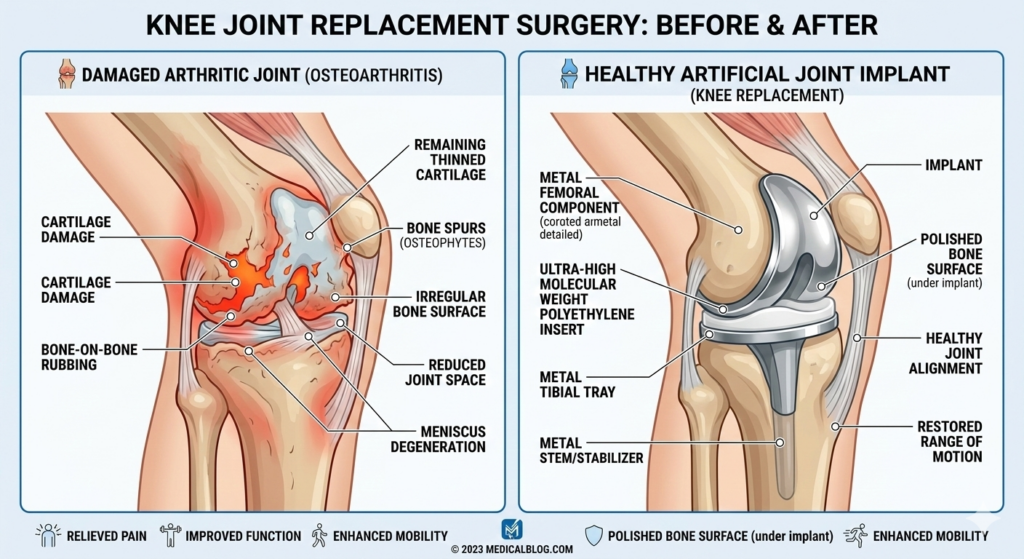
Joint replacement surgery is a procedure where a damaged or worn-out joint is removed and replaced with an artificial implant. These implants are made of metal, ceramic, or medical-grade plastic. They are designed to mimic the natural movement of the joint.
The most common joints replaced are the knee, hip, and shoulder. Ankle, elbow, and wrist replacements are also performed depending on the patient’s condition.
Who Needs Joint Replacement Surgery?
You may need joint replacement surgery if you experience:
- Severe joint pain that does not respond to medication
- Persistent swelling and stiffness in the joint
- Difficulty walking, climbing stairs, or doing routine tasks
- Joint damage clearly visible on X-rays or MRI
- Failed results from physiotherapy and other non-surgical treatments

Types of Joint Replacement Surgeries — At a Glance
| Surgery Type | Common Reasons | Duration | Success Rate |
| Knee Replacement | Osteoarthritis, Rheumatoid Arthritis | 2–4 hours | 95%+ |
| Hip Replacement | Hip fracture, Severe arthritis | 1.5–3 hours | 95%+ |
| Shoulder Replacement | Rotator cuff damage, Arthritis | 2–3 hours | 85–90%+ |
| Ankle Replacement | Post-traumatic arthritis | 2–3 hours | 80–90%+ |
| Elbow Replacement | Rheumatoid arthritis, Fractures | 2–3 hours | 80–88%+ |
Joint Replacement Surgery vs. Medication: Which Is Right for You?
Many patients ask: “Can I just continue with medicines and physiotherapy?” The honest answer depends on how advanced your joint condition is.
| Factor | Medication / Physiotherapy | Joint Replacement Surgery |
| Pain Relief | Temporary | Long-lasting (10–20+ years) |
| Mobility | Limited improvement | Significant restoration |
| Daily Activity | Often restricted | Near-normal function |
| Side Effects | Drug dependency risk | Surgical risks (very low) |
| Cost (Long Term) | Recurring expense | One-time investment |
| Success Rate | Varies | 95%+ satisfaction |
| Suitable For | Early-stage arthritis | Severe joint damage |
The Joint Replacement Surgery Process: Step by Step
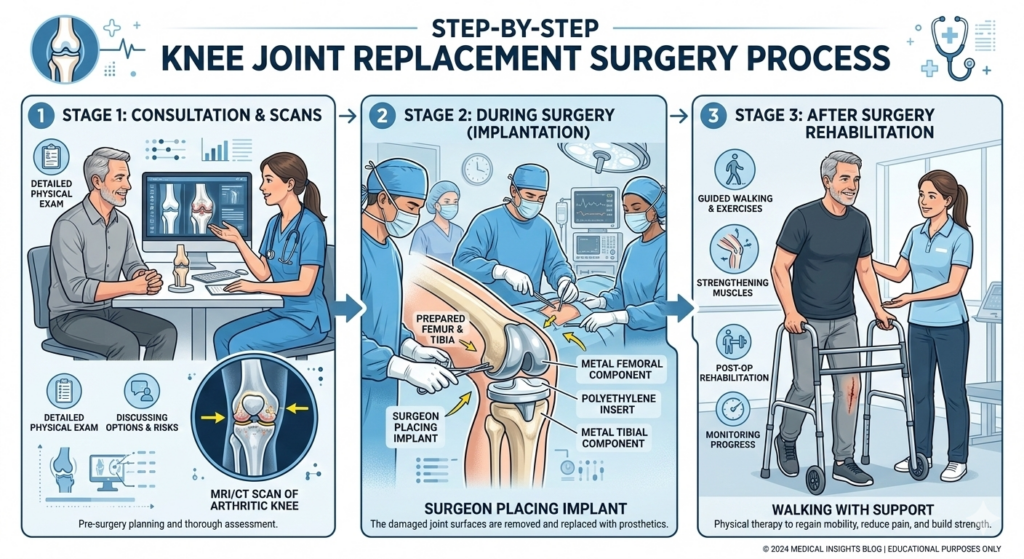
Understanding what happens before, during, and after surgery helps reduce anxiety and sets realistic expectations.
Before Surgery
Your orthopedic doctor will conduct a thorough evaluation. This includes X-rays, blood tests, and a physical examination. Any existing health conditions like diabetes or hypertension are managed before the procedure. You will receive complete pre-operative instructions to prepare yourself.
During Surgery
The procedure is performed under general or spinal anaesthesia. The surgeon removes the damaged joint surfaces and carefully positions the artificial implant. Precision is critical, modern computer-assisted and robotic surgery systems help ensure perfect implant placement. Most procedures take between 1.5 to 4 hours depending on the joint and complexity.
After Surgery and Recovery
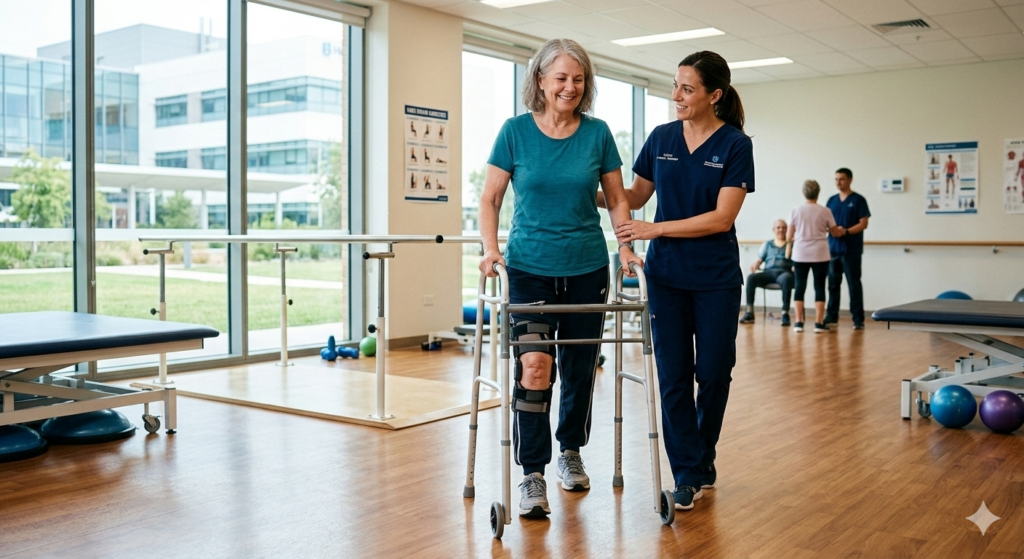
Recovery begins on the same day. Most patients are encouraged to stand and walk with support within 24 hours of knee or hip replacement. This is called early mobilisation, and it significantly reduces recovery time.
- Day 1–3: Walk with walker or crutches under supervision
- Week 1–2: Discharge from hospital, begin outpatient physiotherapy
- Week 4–6: Return to light daily activities
- Month 3–6: Full recovery for most patients
- Long-term: Regular follow-up visits recommended.
Is Joint Replacement Surgery Risky? Understanding the Facts
Like all surgical procedures, joint replacement carries some risks. However, with an experienced orthopedic surgeon and proper preparation, these risks are very low.
- Infection risk: Less than 1% with proper sterile technique and antibiotics
- Blood clots (DVT): Prevented with blood thinners and early mobilisation
- Implant loosening: Rare — modern implants are designed to last 15–25 years
- Nerve damage: Very uncommon in experienced hands
Consult with your nearest Orthopedic Surgeon
Living with constant joint pain is not something you have to accept. With modern joint replacement surgery, thousands of patients in Indore and across India have regained their movement, independence, and quality of life.
If you or a loved one is suffering from severe knee, hip, or shoulder pain, do not wait. Early consultation with an experienced orthopedic doctor can make a significant difference in your outcome and recovery
Frequently Asked Questions
Q1. When should I consider joint replacement surgery?
You should consider joint replacement surgery when joint pain is severe, constant, and affects your daily activities. If medications, physiotherapy, and lifestyle changes are no longer working, and your X-rays show significant joint damage, surgery may be the best option. An experienced orthopedic doctor in Indore like Dr. Tarkit Modi can evaluate your condition and guide you accordingly.
Q2. Is joint replacement surgery safe for elderly patients?
Yes, joint replacement surgery is generally safe for elderly patients. With modern techniques and anaesthesia, even patients above 70 can undergo surgery successfully. Pre-surgical health assessment ensures that risks are minimised. The majority of elderly patients report significant pain relief and improved quality of life after surgery.
Q3. How long does a replaced joint last?
Most modern implants last between 15 to 25 years, depending on the patient’s activity level, weight, and implant quality. Advances in implant materials like ceramic and cross-linked polyethylene have greatly improved durability. Regular follow-ups with your orthopedic surgeon help ensure long-term success.
Q4. What is the recovery time after knee replacement surgery?
Most patients can walk with support within 1–2 days after surgery. Full recovery usually takes 6 to 12 weeks. Physical therapy plays a key role in regaining strength and mobility. Returning to light activities is possible in 4–6 weeks, while strenuous activities should be avoided for at least 3 months.
Q5. Is joint replacement surgery available in Indore?
Yes, advanced joint replacement surgeries including total knee replacement, hip replacement, and shoulder replacement are available in Indore. Dr. Tarkit Modi is a highly experienced orthopedic doctor in Indore who performs these procedures using the latest techniques and implants, ensuring safe, effective, and personalised treatment for every patient.