
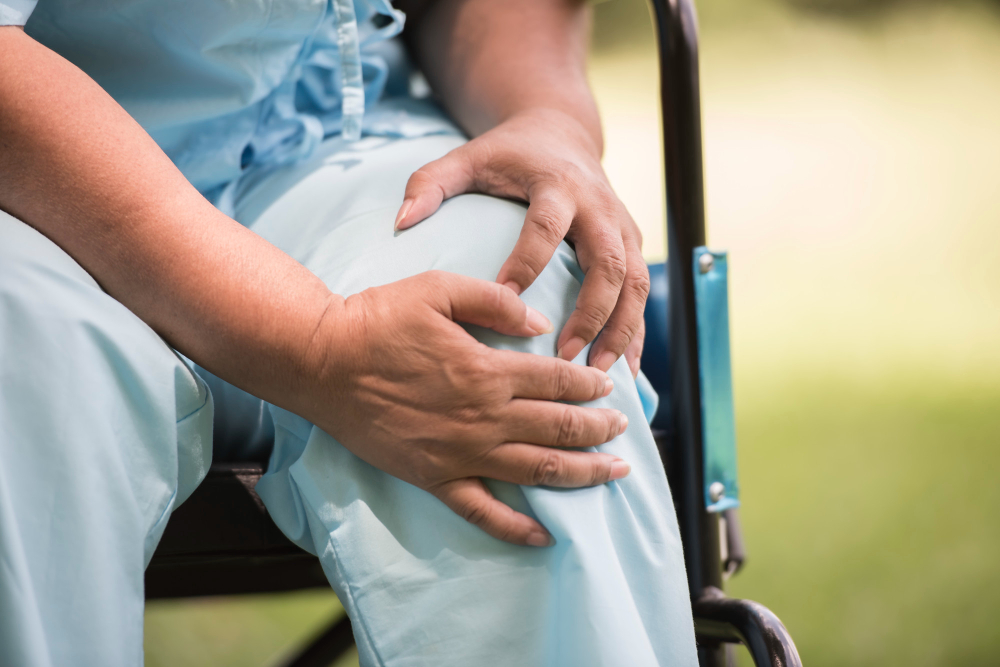
Osteoarthritis is not curable, but it is very much manageable with the right treatment, lifestyle changes, and timely care from an experienced orthopaedic surgeon in Indore. With proper management, many patients stay active, independent, and pain-controlled for years.
Living with joint pain
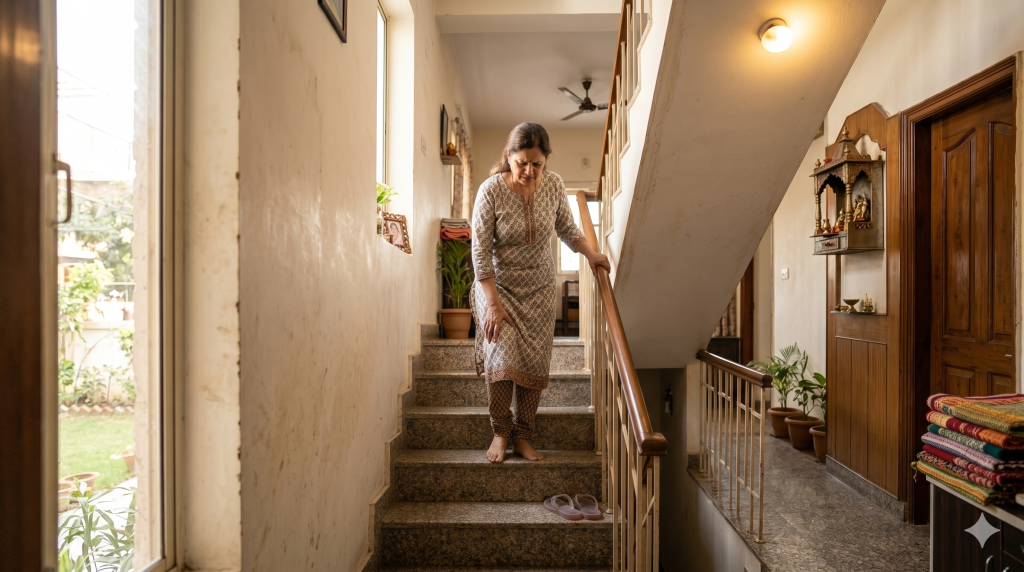
If knee, hip, or shoulder pain is making it hard for you to walk in the market, climb stairs at home, or sit cross‑legged during family functions, you are not alone. Osteoarthritis (OA) is one of the most common joint problems worldwide and increases with age.
In India, more people are developing osteoarthritis earlier due to a sedentary lifestyle, weight gain, and previous injuries. Getting the right joint pain treatment in Indore at the right time can prevent the condition from getting worse.
What is osteoarthritis?
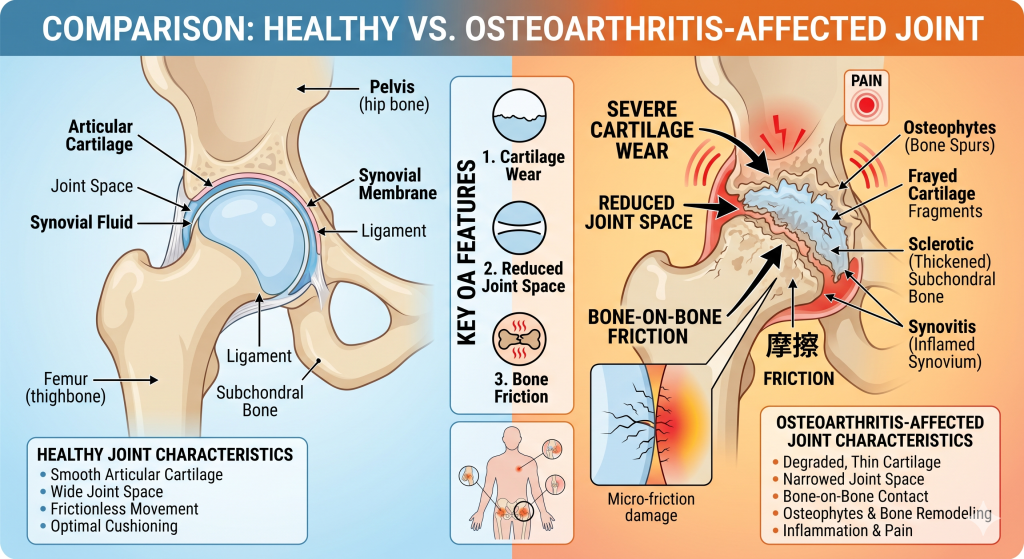
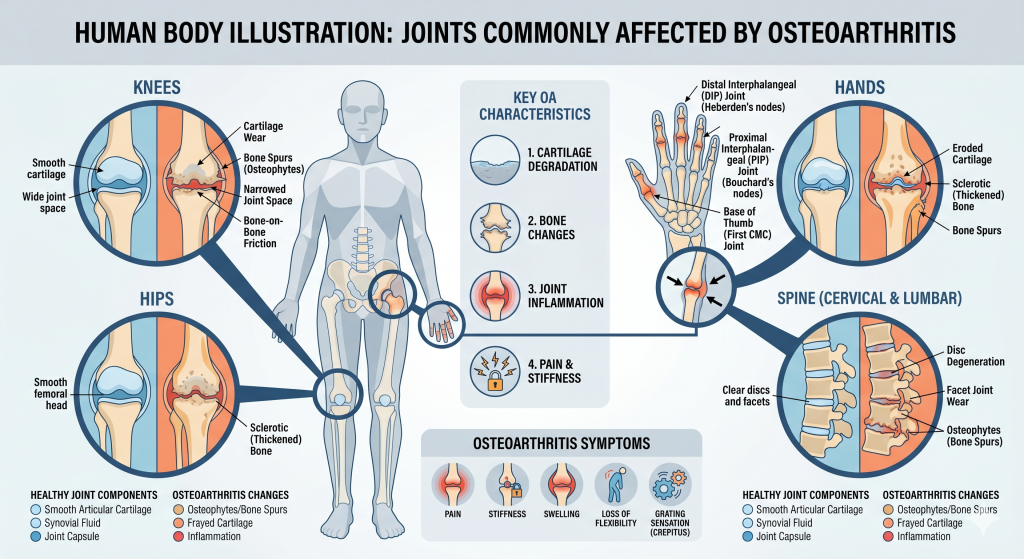
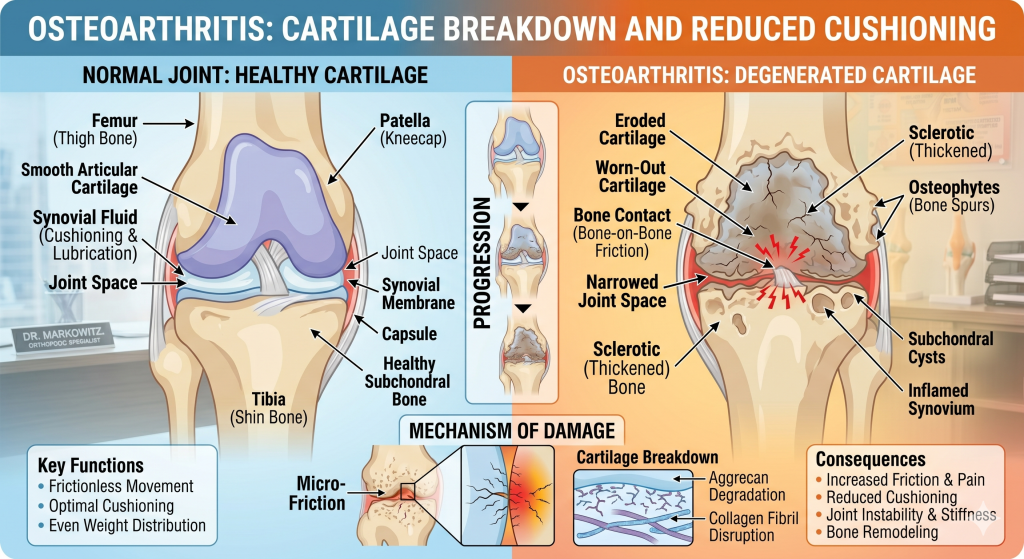
Osteoarthritis is a wear‑and‑tear problem of the joints. The smooth cartilage that covers the ends of bones gradually wears down, so the bones start rubbing on each other, causing pain, stiffness, and swelling.
It most often affects:
Is osteoarthritis curable?
No, osteoarthritis cannot be completely cured or reversed. Once the cartilage is significantly worn out, current medical science cannot fully grow it back to its original, healthy state.
However, its symptoms can be controlled, its progression can often be slowed, and your quality of life can improve greatly with proper treatment.
Why can osteoarthritis not be fully reversed?
Osteoarthritis is a chronic, progressive condition, which means it tends to slowly worsen over time. The main reasons it cannot be fully reversed are:
- Cartilage has limited natural healing power once damaged.
- Long‑standing wear leads to bone changes, joint deformity, and stiffness.
- Current therapies can protect remaining cartilage but cannot restore a completely normal joint in advanced stages.
Research is ongoing on cartilage regeneration and new medicines, but these are still evolving and not yet a “cure”.
How osteoarthritis can be managed effectively?
Even though it is not curable, osteoarthritis is highly manageable with a combination of treatments:
- Medications: Pain‑relieving and anti‑inflammatory medicines as prescribed by your doctor.
- Physiotherapy: Strengthening exercises to support the joint, improve movement, and reduce stiffness.
- Weight management: Reducing extra weight significantly decreases pressure on knees and hips.
- Injections: In some cases, lubricating or steroid injections can provide temporary relief.
- Surgery: In advanced cases, joint replacement can give long‑term pain relief and restore mobility.
With the right osteoarthritis treatment, many patients can walk comfortably, do daily activities, and avoid or delay major surgery.
Curable vs manageable
| Aspect | Curable condition | Osteoarthritis (manageable) |
| Disease status | Can be completely removed from the body | Chronic condition that usually stays lifelong |
| Joint damage | Returns to normal after cure | Structural changes usually remain |
| Role of medicines | Aim to eliminate the disease | Aim to reduce pain and slow progression |
| Role of lifestyle | Helpful but not always essential | Very important for long‑term control |
| Long‑term follow‑up | Often short‑term | Needed regularly with an orthopedic specialist |
Stages of osteoarthritis
Doctors often describe osteoarthritis in stages, from mild to severe:
- Early stage: Mild pain after long walks or climbing stairs, slight stiffness.
- Moderate stage: Daily pain, swelling, difficulty with squatting or sitting cross‑legged.
- Advanced stage: Severe pain even at rest, deformity, difficulty walking or doing daily tasks.
Treatment options in Indore
In Indore, hospitals and clinics offer a wide range of osteoarthritis treatments, from basic to advanced.
Non‑surgical options:
- Tailored physiotherapy programmes
- Medicines for pain and inflammation
- Braces and walking supports
- Weight‑loss guidance and diet counselling
- Injections were appropriate
Surgical options (for advanced cases):
- Arthroscopy (keyhole procedures) in selected patients
- Partial or total knee replacement
- Hip replacement
- Shoulder procedures for severe shoulder osteoarthritis
Lifestyle changes that make a big difference
Simple, consistent lifestyle changes can reduce pain and protect your joints:
- Maintain a healthy weight
- Do low‑impact exercises like walking, cycling, or swimming
- Avoid sitting on the floor for long periods if it worsens pain
- Use proper footwear with cushioning
- Take breaks during long standing or walking
- Control diabetes and other chronic conditions
These steps, combined with medical care, can greatly improve day‑to‑day comfort.
When to consult an orthopedic surgeon in Indore
You should see an orthopedic surgeon in Indore if you notice:
- Joint pain lasting more than a few weeks
- Morning stiffness or stiffness after rest
- Swelling, warmth, or a feeling of grinding in the joint
- Difficulty climbing stairs, walking in the market, or doing daily work
- Pain not improving with home remedies or basic painkillers
Early diagnosis and treatment help you avoid rapid progression and maintain an active lifestyle.
Osteoarthritis may not be curable, but with the right care it is definitely manageable. Evidence‑based treatment, lifestyle changes, and timely intervention can help you live an active, pain‑reduced life.
If joint pain is stopping you from enjoying your routine in Indore, do not wait. Book a consultation with Dr. Tarkit Modi, an experienced orthopedic surgeon in Indore, and take the first step towards comfortable movement and healthier joints.
FAQs
1. Is osteoarthritis completely curable?
No. Osteoarthritis cannot be completely cured because the damaged joint cartilage cannot be fully restored with current treatments. However, pain, stiffness, and swelling can be managed with medicines, physiotherapy, lifestyle changes, and, in advanced cases, joint replacement surgery.
2. Can osteoarthritis be reversed naturally?
Osteoarthritis cannot be fully reversed naturally, but its symptoms can improve with weight loss, regular low‑impact exercise, and muscle strengthening. These steps reduce pressure on the joints, improve flexibility, and may slow disease progression, especially when combined with medical treatment.
3. When should I consider knee replacement for osteoarthritis?
You may need knee replacement when pain is severe, daily activities like walking, climbing stairs, or sleeping are difficult, and medicines or physiotherapy no longer give relief. An experienced orthopedic surgeon in Indore will assess your X‑rays, symptoms, age, and lifestyle before recommending surgery.
4. Which doctor should I consult for osteoarthritis in Indore?
You should consult an orthopedic specialist, as they are trained to diagnose and treat joint problems like osteoarthritis. In Indore, doctors such as Dr. Tarkit Modi provide comprehensive osteoarthritis treatment, from lifestyle advice and physiotherapy to advanced joint replacement surgery when required.
5. Can exercise worsen osteoarthritis pain?
The wrong type of exercise can increase pain, but correctly guided, low‑impact exercises usually help. Activities like walking, cycling, or swimming, planned by a physiotherapist or orthopedic doctor, strengthen muscles around the joint, improve flexibility, and reduce symptoms over time.
6. Is osteoarthritis only an old age problem?
No. Although osteoarthritis is more common after 50–60 years, it can also occur earlier due to previous injuries, obesity, or heavy joint strain. Early symptoms should not be ignored; getting timely joint pain treatment in Indore can protect your joints and prevent early disability.
7. Does osteoarthritis always need surgery?
Not at all. Many patients manage well for years with medicines, physiotherapy, weight control, and activity modification. Surgery like joint replacement is usually suggested only when pain is severe, joint damage is advanced, and non‑surgical treatments have failed to give adequate relief.