
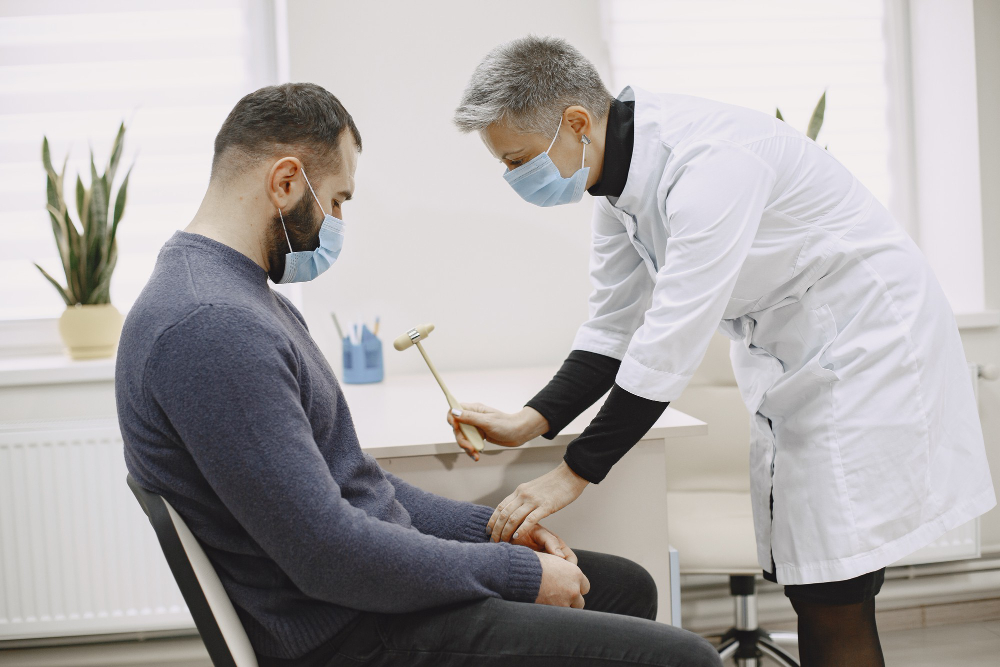
Joint pain, fractures, and sports injuries are among the most common orthopedic concerns affecting millions of people in India every year. Whether you’ve suffered a sudden fracture from a fall, sustained a sports injury while playing, or developed arthritis over time, the impact on your quality of life can be significant. In India alone, fracture cases are so prevalent that major hospitals treat approximately 75 fresh fractures daily, with 5–8 requiring surgical intervention.
The good news? Orthopedic surgeon in Indore are equipped with advanced diagnostic tools, minimally invasive surgical techniques, and comprehensive rehabilitation programs to help you recover safely and effectively.
This guide explains how each of these conditions affects your body, what treatment options are available, and when you should seek professional orthopedic care in Indore.
Understanding Fractures: When Bones Break, Orthopedic Care Matters
What Are Fractures?
A fracture is a break or crack in a bone. Fractures range from simple hairline cracks to complex breaks where bone fragments become displaced. They can occur at any age but are particularly common in two groups: younger, active individuals involved in sports or accidents, and elderly people experiencing falls.
Common Causes of Fractures
Falls remain the most common cause, accounting for approximately 45% of all fractures, particularly in elderly patients. Other causes include:
- Road traffic accidents
- Sports-related injuries
- Direct impact or trauma
- Osteoporosis (weakened bones in older adults)
- Repetitive stress injuries
Types of Fractures and Treatment Options
Simple Fractures (Closed Fractures)
These occur when the bone breaks but the skin remains intact. Treatment typically involves:
- Immobilization with casts or splints
- Pain management
- Physiotherapy
Compound Fractures (Open Fractures)
The bone pierces the skin, increasing infection risk. These always require surgical intervention, including:
- Thorough wound cleaning (debridement)
- Antibiotics
- Internal fixation with plates, screws, or intramedullary nailing
Displaced Fractures
When bone fragments separate, modern orthopedic practice shows that 81% of fractures benefit from surgical treatment. Surgical options include:
- Internal Fixation: Plates and screws hold bone fragments in proper alignment
- Intramedullary Nailing: A metal rod inserted through the bone’s center for stability
- External Fixation: An external frame stabilizes fractures during healing
Fracture Recovery Timeline
Recovery timelines vary depending on fracture severity and treatment type:
| Fracture Type | Immobilization Period | Weight-Bearing Timeline | Complete Healing |
| Simple arm fracture | 4–6 weeks | N/A | 8–12 weeks |
| Leg fracture (conservative) | 8–12 weeks | 4–8 weeks | 3–4 months |
| Hip fracture (surgical) | Varies | 4–6 weeks post-op | 3–6 months |
| Complex fracture (surgical) | 6–8 weeks | 6–12 weeks | 4–6 months |
Sports Injuries: Recovery and Return to Play
Most Common Sports Injuries
Sports injuries affect not just professional athletes but also fitness enthusiasts and weekend warriors. The most prevalent include:
1. ACL (Anterior Cruciate Ligament) Tears
The ACL stabilizes the knee during pivoting and jumping movements. A complete tear typically requires surgical reconstruction.
2. Ankle Sprains
Ligament damage from twisting movements. While many heal conservatively, severe sprains may need surgery.
3. Meniscal Tears
Cartilage damage in the knee, often from sports involving twisting motions.
4. Fractures from Impact
Collisions or falls during sports frequently cause fractures in the ankle, wrist, and collarbone.
Non-Surgical Treatment for Sports Injuries
For mild to moderate injuries, the RICE method remains effective:
- Rest: Avoid activities that aggravate the injury
- Ice: Apply for 15–20 minutes every 2–3 hours to reduce swelling
- Compression: Use elastic bandages to stabilize the injury
- Elevation: Raise the injured area above heart level to decrease fluid buildup
This initial care typically lasts 1–2 weeks, followed by physiotherapy.
ACL Tear Recovery: Surgical Pathway
ACL reconstruction is the gold standard for complete tears, especially for athletes wanting to return to sport.
Recovery Timeline After ACL Reconstruction:
| Phase | Timeline | Goals |
| Immediate Recovery | Weeks 1–2 | Reduce swelling, restore basic mobility, begin passive exercises |
| Early Rehabilitation | Weeks 3–6 | Improve range of motion, initiate gentle strengthening |
| Progressive Strengthening | Weeks 7–12 | Build quadriceps and hamstring strength, improve balance |
| Advanced Training | Weeks 13–24 | Sport-specific drills, plyometric exercises, agility training |
| Return to Full Sport | 9–12 months | Full clearance after functional testing |
Sports Injury Prevention Tips
- Warm up properly before exercise (10–15 minutes)
- Strengthen core and stabilizing muscles through targeted exercises
- Improve flexibility with regular stretching
- Use proper equipment and footwear
- Follow sport-specific training progressions
- Take adequate rest days between intense training
Arthritis: Understanding, Managing, and Treating Joint Degeneration
Types of Arthritis and Causes
Osteoarthritis (OA)
A degenerative condition where protective cartilage wears away over time.
Common Risk Factors:
- Age (more common after 50 years)
- Previous joint injuries or fractures
- Repetitive stress on joints
- Obesity (increases joint load)
- Family history
Most Affected Joints: Knees (most common), hips, hands, spine, and feet.
Rheumatoid Arthritis (RA)
An autoimmune condition where the immune system attacks joint linings, causing inflammation.
Characteristics:
- Symmetric joint involvement (affects both sides equally)
- Morning stiffness lasting 30+ minutes
- Systemic symptoms like fatigue and fever
- More common in women
Arthritis Symptoms: When to Seek Care
Consult an orthopedic surgeon if you experience:
- Joint pain lasting more than 2 weeks
- Morning stiffness exceeding 30 minutes
- Swelling, redness, or warmth around joints
- Reduced range of motion or joint locking
- Difficulty with daily activities (walking, climbing stairs, gripping)
- Visible joint deformity
Treatment Options for Arthritis
Conservative (Non-Surgical) Management
First-Line Treatments:
- Anti-inflammatory medications (NSAIDs) to reduce pain and swelling
- Physical therapy and exercises to maintain joint mobility and strengthen supporting muscles
- Weight management to reduce joint stress
- Hot/cold therapy for symptom relief
- Joint protection techniques and activity modification
Advanced Conservative Options:
- Intra-articular injections (corticosteroids or hyaluronic acid) for targeted symptom relief
- Platelet-rich plasma (PRP) and stem cell therapies for cartilage repair (emerging treatments)
Surgical Interventions
When conservative measures no longer provide relief, surgical options include:
- Arthroscopy
A minimally invasive procedure to clean joint surfaces, remove loose cartilage, or repair small tears. Suitable for mild to moderate arthritis. - Partial Knee Replacement (Unicompartmental Arthroplasty)
Replaces only the affected compartment of the knee, preserving healthy tissue. - Total Knee Replacement (TKR)
Replaces the entire knee joint with prosthetic components. The gold standard for end-stage knee arthritis. - Total Hip Replacement (THR)
Replaces the entire hip joint.
Arthritis Recovery and Return to Activity
Post-surgical rehabilitation is critical for optimal outcomes:
| Phase | Timeline | Activities |
| Immediate Post-Op | Days 1–7 | Bed rest, pain management, basic exercises |
| Early Mobilization | Weeks 1–4 | Assisted walking, gentle range-of-motion exercises |
| Progressive Strengthening | Weeks 5–12 | Resistance exercises, weight-bearing progression |
| Return to Function | Weeks 12+ | Low-impact activities, resume normal daily activities |
| Full Recovery | 3–6 months | Most patients can engage in low-impact sports and activities |
Taking the First Step Toward Pain-Free Movement
Fractures, sports injuries, and arthritis affect millions of people in India, but they don’t have to define your life. Modern orthopedic care, combining advanced diagnostics, minimally invasive surgical techniques, and comprehensive rehabilitation, offers excellent outcomes for all three conditions.
Dr. Tarkit Modi, an experienced orthopedic surgeon in Indore, is dedicated to providing patient-centered care with a focus on evidence-based treatment and comprehensive rehabilitation. Whether your concern is a fracture, sports injury, or arthritis, seeking professional orthopedic care is an investment in your long-term health and mobility.
Frequently Asked Questions (FAQs)
1. How long does it take to recover from a fracture with an orthopedic surgeon in Indore?
Answer:
Recovery time depends on fracture type and treatment:
- Simple fractures (conservative care): 8–16 weeks for bone union; 4–6 months for complete functional recovery
- Complex fractures (surgical repair): 3–6 months for bone healing; 6–12 months for return to pre-injury activities
- Hip fractures (elderly patients): 3–6 months for mobilization; 12+ months for full independence
Most patients show significant improvement within the first 6–8 weeks when following physiotherapy protocols diligently.
2. Can sports injuries heal without surgery?
Answer:
Many sports injuries heal effectively without surgery:
- Ankle sprains and mild ligament strains: 70–80% heal with conservative treatment (RICE, physiotherapy, bracing)
- Muscle strains and contusions: 60–70% recover with rest and physiotherapy alone
- Mild meniscal tears: 50–60% can be managed conservatively
However, surgery is recommended for:
- Complete ligament tears (ACL, MCL)
- Displaced meniscal tears
- Fractures, especially involving joint surfaces
- Cases where conservative treatment fails after 6–8 weeks
Early orthopedic evaluation helps determine whether your injury requires surgery or can be managed conservatively.
3. How do orthopedic surgeons in Indore manage arthritis pain?
Answer:
Arthritis management follows a stepped approach:
Step 1: Conservative Management
Step 2: Advanced Conservative Options
Step 3: Surgical Intervention
4. When should I consult an orthopedic surgeon for joint pain?
Answer:
Consult an orthopedic surgeon when:
- Joint pain persists beyond 2 weeks despite rest and over-the-counter medication
- Morning stiffness exceeds 30 minutes (suggests inflammatory arthritis)
- Swelling and warmth around the joint are present
- You experience joint locking, popping, or “giving way” (suggests cartilage or ligament damage)
- Pain interferes with daily activities or sleep
- Your pain is preventing sports or exercise participation for more than 2 weeks
- You have a history of joint injury and want preventive assessment
5. How long does ACL reconstruction surgery recovery typically take?
Answer:
ACL reconstruction recovery follows a structured timeline:
Weeks 1–2: Reduce swelling, restore basic mobility, begin physical therapy
Weeks 3–6: Progressive range-of-motion exercises, gentle strengthening
Weeks 7–12: Increase exercise intensity, improve balance and proprioception
Weeks 13–24: Sport-specific training, plyometric exercises, agility drills
Months 6–12: Gradual return to competitive activities with clearance
6. Are there any new treatment options for arthritis I should know about?
Answer:
Several emerging and advanced therapies show promise:
Biological Therapies:
- Platelet-Rich Plasma (PRP)
- Stem Cell Therapy
- Autologous Chondrocyte Implantation (ACI)
Surgical Innovations:
- Robotic-Assisted Joint Replacement
- Patient-Specific Instrumentation
- Minimally Invasive Arthroscopy
Rehabilitation Advances:
- Virtual Reality Rehabilitation
- Wearable Monitoring
- Personalized Physiotherapy
Posted by : Dr. Tarkit Modi
MBBS, MS (Orthopaedics) , FIJR, FIAS- (Fortis Hospital,Delhi)
Specialist in Joint Replacement and Arthroscopy, Shoulder, Hip, Knee & Orthopedic Surgeon in Indore