
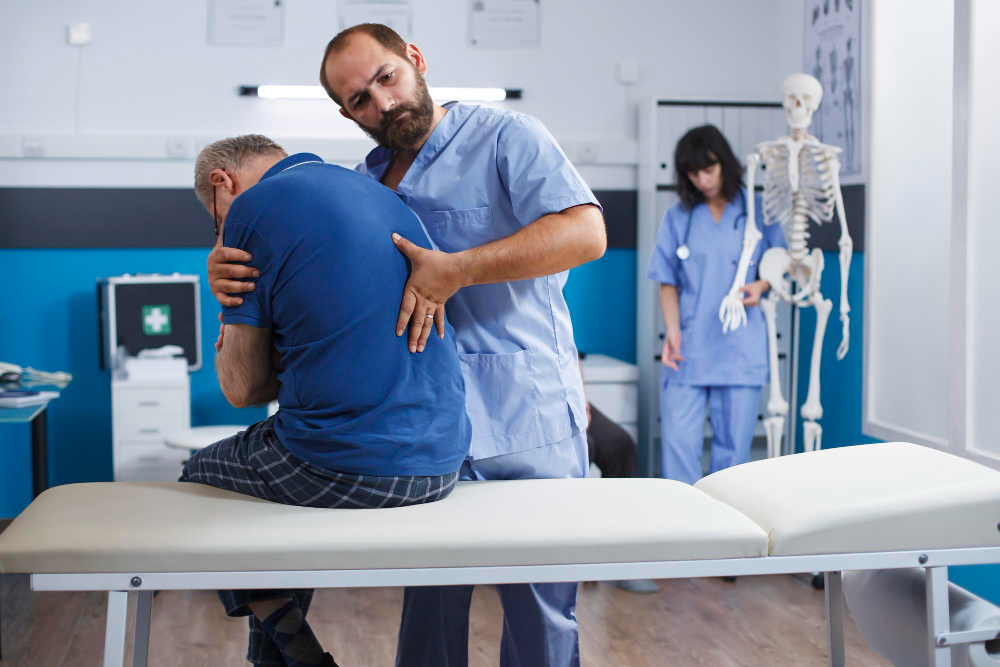
Bone health is the foundation of an active, independent life, yet it’s often overlooked until a fracture or joint pain forces us to pay attention. From childhood through our senior years, our bones undergo continuous remodeling, gaining strength in youth and gradually losing density as we age.
In India, approximately 20% of women over 50 suffer from osteoporosis, while fractures due to weakened bones affect millions annually, particularly among the elderly population.
The good news? Regular, targeted exercises can significantly reduce these risks. As an experienced orthopedic doctor in Indore, Dr. Tarkit Modi emphasizes that bone health isn’t just about calcium supplements; it’s about movement, strength, and consistency. The right exercises stimulate bone formation, improve balance, and protect your joints from wear and tear. Whether you’re in your 30s looking to build peak bone mass or in your 60s aiming to prevent falls and fractures, orthopedic-guided exercise plans can transform your skeletal health and overall quality of life.
This guide explores evidence-based exercises recommended by orthopedic specialists to help you maintain strong, resilient bones throughout every stage of life.
Why Bone Health Matters for Adults and Seniors?
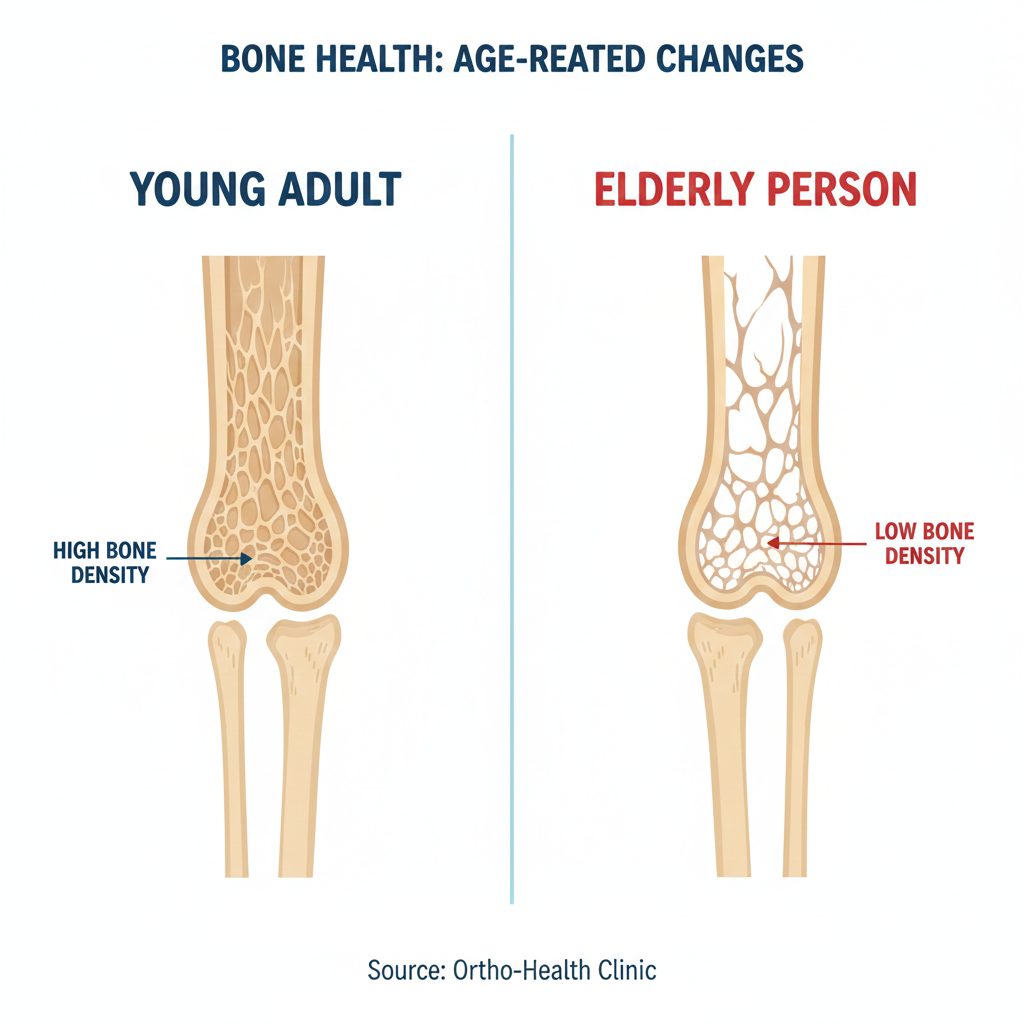
Our bones reach their maximum density around age 30, after which they gradually lose mass, about 1% per year for most adults, and up to 3-5% annually for postmenopausal women.
This natural decline, if left unaddressed, leads to osteopenia and eventually osteoporosis, a condition where bones become so fragile that even minor falls can cause serious fractures.
In India, lifestyle factors like sedentary work, inadequate sun exposure (affecting vitamin D levels), and dietary gaps contribute to premature bone weakness. Hip fractures, vertebral compression fractures, and wrist injuries are among the most common bone-related problems orthopedic doctors encounter.
The impact extends beyond physical pain. Studies show that nearly 20-30% of hip fracture patients experience long-term disability, and many lose their independence. However, research consistently demonstrates that regular exercise, especially weight-bearing and resistance activities, can slow bone loss, increase bone density by 1-3%, and dramatically reduce fracture risk by improving strength and balance.
Exercises Recommended by Orthopedic Doctors in Indore
Dr. Tarkit Modi recommends a balanced approach combining three key exercise types for optimal bone health.
Weight-Bearing Exercises
Weight-bearing exercises force your body to work against gravity, stimulating bone-forming cells called osteoblasts. These activities put healthy stress on your bones, encouraging them to grow stronger and denser.
Recommended activities include:
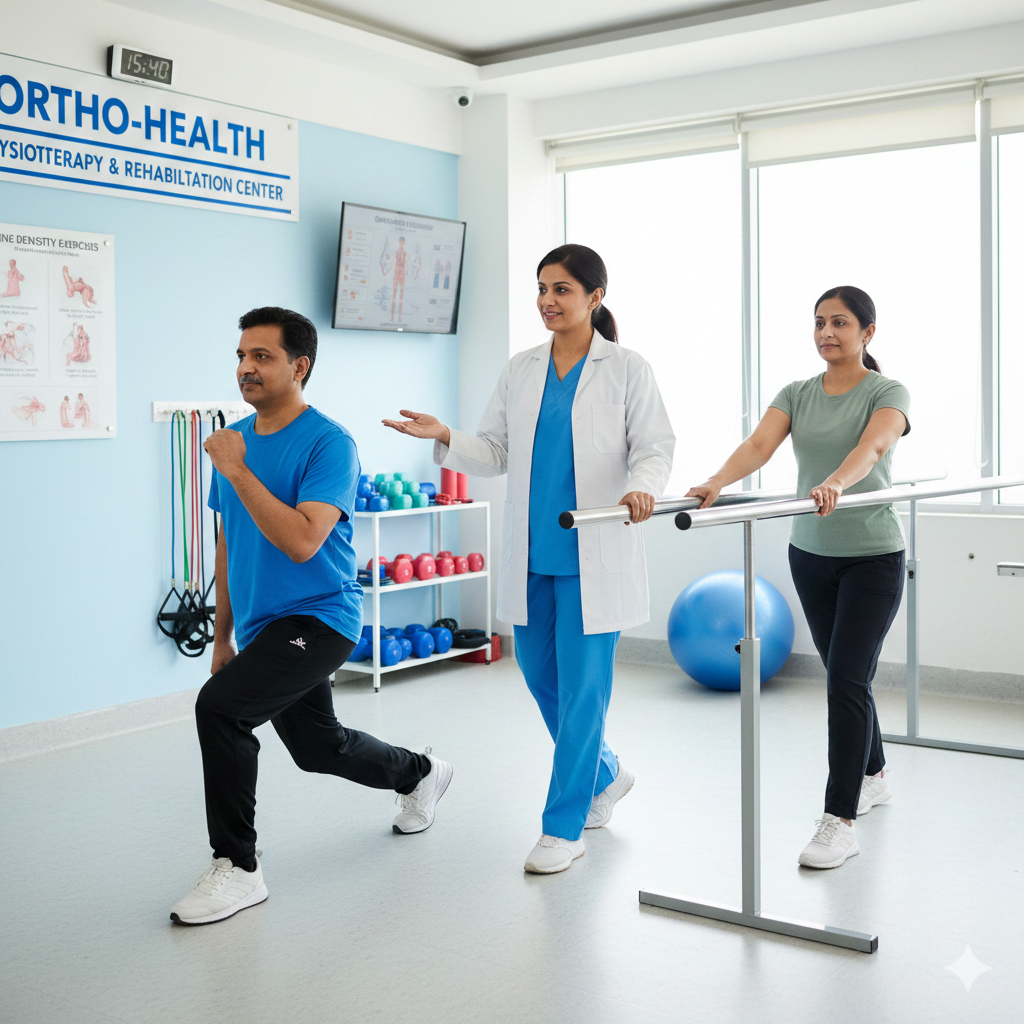
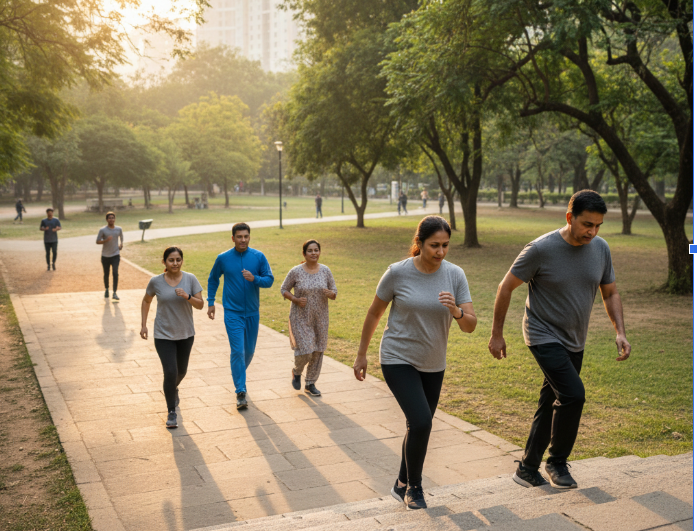
- Walking: The simplest and most accessible option. Aim for 30-45 minutes daily at a brisk pace. Walking on slightly uneven terrain (like parks) adds extra benefit.
- Jogging or running: For those without joint issues, this provides greater impact and bone-building stimulus.
- Stair climbing: Excellent for hip and leg bones. Start with 2-3 flights and gradually increase.
- Dancing: Bhangra, Garba, or even ballroom dancing combines weight-bearing movement with coordination.
Frequency: 4-5 days per week for maximum benefit. Even 20-30 minutes daily shows measurable improvements in bone density over time.
Strength Training Exercises
Resistance exercises target specific muscle groups, and when muscles contract, they pull on bones, triggering bone strengthening. You don’t need heavy gym equipment, bodyweight exercises and light resistance bands work wonderfully, especially for older adults.
Effective exercises include:
- Squats and lunges: Strengthen thighs, hips, and lower spine
- Wall push-ups: Build upper body and wrist bone strength
- Resistance band rows: Target the back and shoulder bones
- Leg lifts: Improve hip bone density
Safety tips from orthopedic doctors:
- Start with bodyweight only and add resistance gradually
- Maintain proper form to avoid injury
- For seniors, begin with seated or chair-supported versions
- Aim for 2-3 sessions per week, allowing rest days between
Balance and Flexibility Exercises
While these don’t directly build bone density, they’re crucial for fall prevention, the leading cause of fractures in adults over 65. Good balance and flexibility also improve posture, reducing stress on your spine and joints.
Key exercises include:
- Tai Chi: This gentle martial art reduces fall risk by up to 45% in seniors
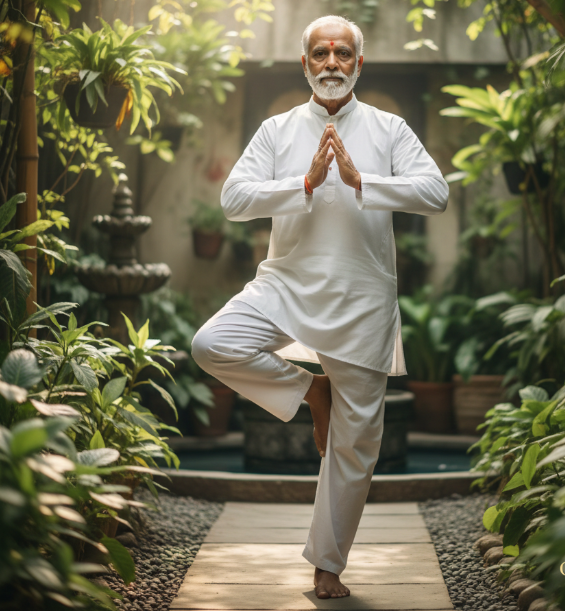
- Yoga: Poses like Tree Pose, Warrior series, and Chair Pose improve stability
- Single-leg stands: Practice standing on one foot for 30 seconds, gradually increasing duration
- Heel-to-toe walking: Enhances coordination and ankle stability
- Gentle stretching: Maintains joint mobility and prevents stiffness
Recommendation: Practice 10-15 minutes daily, ideally in the morning or before other exercises.
Understanding Exercise Effectiveness:
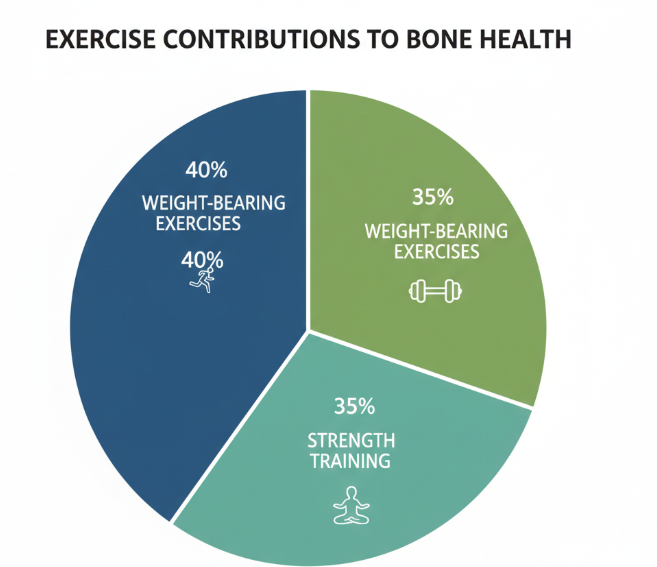
Research analyzing the effectiveness of different exercises for bone health shows interesting patterns. Weight-bearing exercises demonstrate the highest impact on bone density improvement, accounting for approximately 40% of measurable bone mass gains in clinical studies.
Strength training contributes around 35%, particularly effective for targeted bone strengthening in specific areas like the spine and hips. Balance and flexibility exercises, while contributing about 25% to overall bone health outcomes, play an outsized role in fracture prevention through fall reduction, making them especially valuable for seniors.
Lifestyle Tips to Support Healthy Bones
Exercise alone isn’t enough; orthopedic doctors emphasize that bone health requires a holistic approach.
Nutrition essentials:
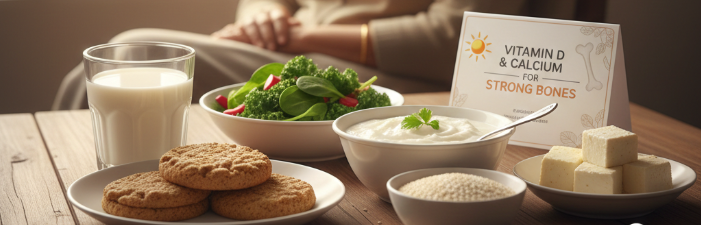
- Calcium: Adults need 1,000-1,200 mg daily. Include dairy, leafy greens, ragi, sesame seeds, and fortified foods.
- Vitamin D: Crucial for calcium absorption. Get 15-20 minutes of morning sunlight daily, and consider supplements if deficient (very common in Indore’s urban population).
- Protein: Supports bone matrix. Include dal, legumes, eggs, and lean meats.
- Magnesium and Vitamin K: Found in nuts, seeds, and green vegetables, these support bone mineralization.
Daily habits that matter:
- Avoid smoking and excessive alcohol—both accelerate bone loss
- Limit caffeine and salt intake
- Maintain a healthy body weight (both underweight and obesity harm bones)
- Practice good posture while sitting and standing to reduce spinal stress
How Dr. Tarkit Modi Helps Patients Maintain Healthy Bones in Indore?
As a respected orthopedic doctor in Indore, Dr. Tarkit Modi takes a preventive, patient-centered approach to bone health. Rather than waiting for fractures or severe osteoporosis to develop, he works with patients to build strong bones at every age.
His comprehensive care includes:
- Bone density assessments: DEXA scans and evaluations to establish baseline bone health
- Personalized exercise plans: Tailored recommendations based on age, fitness level, existing conditions, and bone density results
- Safe progression guidance: Ensuring patients build strength without risking injury
- Nutritional counseling: Practical dietary advice specific to Indian food habits
- Regular monitoring: Tracking improvement and adjusting plans as needed
- Treatment for bone conditions: From osteoporosis management to post-fracture rehabilitation
Strong bones aren’t just about avoiding fractures; they’re about maintaining independence, mobility, and quality of life as you age. The exercises recommended by orthopedic doctors in Indore combine weight-bearing activities, strength training, and balance work to provide comprehensive bone protection. Whether you’re building peak bone mass in your 30s or preserving bone density in your 60s and beyond, regular exercise makes a measurable difference.
Remember, it’s never too early or too late to start. Even modest improvements in bone strength and balance can prevent life-altering fractures and keep you active for decades to come.
Consult Dr. Tarkit Modi, a trusted orthopedic doctor in Indore, for a personalized bone health assessment and exercise plan tailored to your unique needs. Take the first step toward stronger bones today.
Frequently Asked Questions
Q1: What are the best exercises for strong and healthy bones?
The most effective exercises for bone health are weight-bearing activities like walking, jogging, and stair climbing, combined with strength training exercises such as squats, lunges, and resistance band work. Orthopedic doctors also recommend balance exercises like Tai Chi or yoga to prevent falls. A combination of all three types provides optimal bone protection.
Q2: How often should I exercise for bone health?
For maximum bone-building benefits, aim for weight-bearing exercises 4-5 days per week for 30-45 minutes, strength training 2-3 times weekly, and daily balance and flexibility work for 10-15 minutes. Consistency matters more than intensity—regular moderate exercise beats occasional intense workouts for bone health.
Q3: Can exercise help prevent osteoporosis?
Yes, absolutely. Research shows that regular weight-bearing and resistance exercises can increase bone density by 1-3% and significantly slow age-related bone loss. While exercise cannot completely reverse severe osteoporosis, it’s one of the most effective preventive measures, especially when started early and maintained consistently throughout life.
Q4: Are bone-strengthening exercises safe for seniors?
Yes, when done correctly. Orthopedic doctors in Indore, including Dr. Tarkit Modi, recommend modified, low-impact versions for seniors. Chair exercises, wall push-ups, gentle yoga, and Tai Chi are excellent safe options. Seniors should start slowly, focus on proper form, and consult an orthopedic specialist before beginning any new exercise program, especially if they have existing bone or joint conditions.
Q5: When should I consult an orthopedic doctor in Indore for bone pain?
Consult an orthopedic doctor if you experience persistent bone or joint pain lasting more than a few weeks, pain that worsens with activity, sudden severe pain, visible deformity, difficulty bearing weight, or if you’re over 50 with risk factors for osteoporosis. Early evaluation by specialists like Dr. Tarkit Modi can prevent minor issues from becoming serious problems.
Q6: How does Dr. Tarkit Modi guide patients for bone health?
Dr. Tarkit Modi provides comprehensive bone health care including bone density testing, personalized exercise prescriptions based on individual capabilities and conditions, nutritional guidance, safe progression monitoring, and treatment for existing bone issues. His patient-centric approach focuses on prevention and long-term bone strength rather than just treating problems after they occur.
Q7: Which lifestyle habits improve bone strength naturally?
Beyond exercise, key habits include consuming adequate calcium (1,000-1,200 mg daily) and vitamin D through diet and sunlight, maintaining healthy body weight, avoiding smoking and excessive alcohol, limiting caffeine and salt, staying hydrated, getting quality sleep, and managing stress. Combining these habits with regular exercise creates the ideal environment for strong, healthy bones throughout life.