
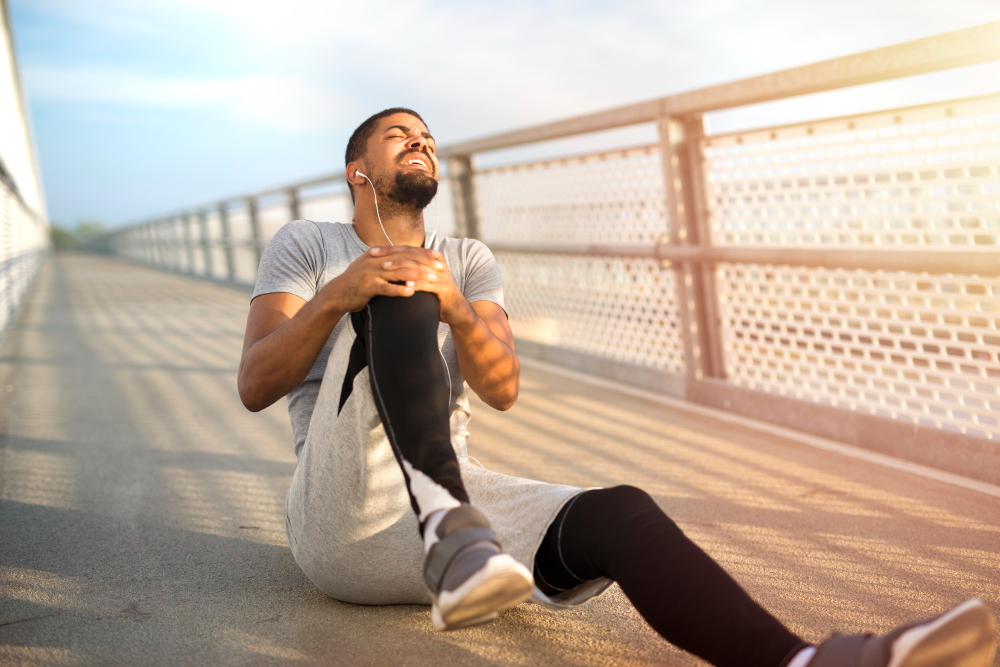
A Lesson From the Field
Ravi had just taken his team to the finals. During a critical pivot move on the cricket field, he heard a sharp pop from his right knee. He winced, felt the knee buckle, but told himself, “It’s probably just a sprain. I’ll be fine.”
He played the rest of the match. He rested for a week at home. He took painkillers. And three weeks later, when the swelling still hadn’t gone and his knee gave way while climbing stairs, he finally came to my clinic in Indore.
What Ravi had was a complete ACL tear. And those three weeks of delay? They had already complicated his recovery significantly.
This story is not unique. As an orthopedic surgeon in Indore who treats athletes daily, I see this pattern repeatedly. Athletes are tough sometimes too tough. They push through pain, minimise symptoms, and delay seeking help. That is often the biggest mistake they make.
What Is an ACL Injury?
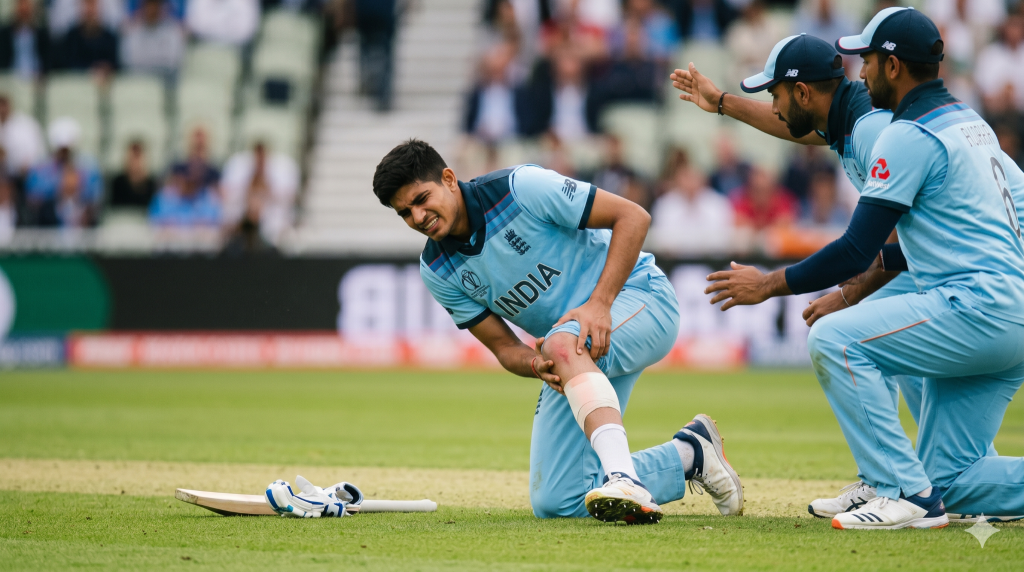
An ACL injury is a tear or sprain of the anterior cruciate ligament, one of the four major ligaments that hold your knee joint together. It is one of the most common and serious sports injuries, often requiring months of recovery or surgery.
The ACL (Anterior Cruciate Ligament) is a band of tissue that runs diagonally through the middle of your knee. Think of it as the main “rope” that keeps your shinbone from sliding forward and your knee from rotating too freely. When this ligament is stretched beyond its limits or tears, it is called an ACL injury.
ACL tears typically happen during sudden changes in direction, awkward landings from a jump, direct collision with another player, or abrupt stops while running. Cricket players, football athletes, basketball players, runners, and gym-goers are all at high risk.
Studies show that ACL injuries account for approximately 40% of all sports-related knee injuries. Female athletes face 2–8 times higher ACL injury risk than male athletes due to differences in anatomy, muscle strength, and hormonal factors.
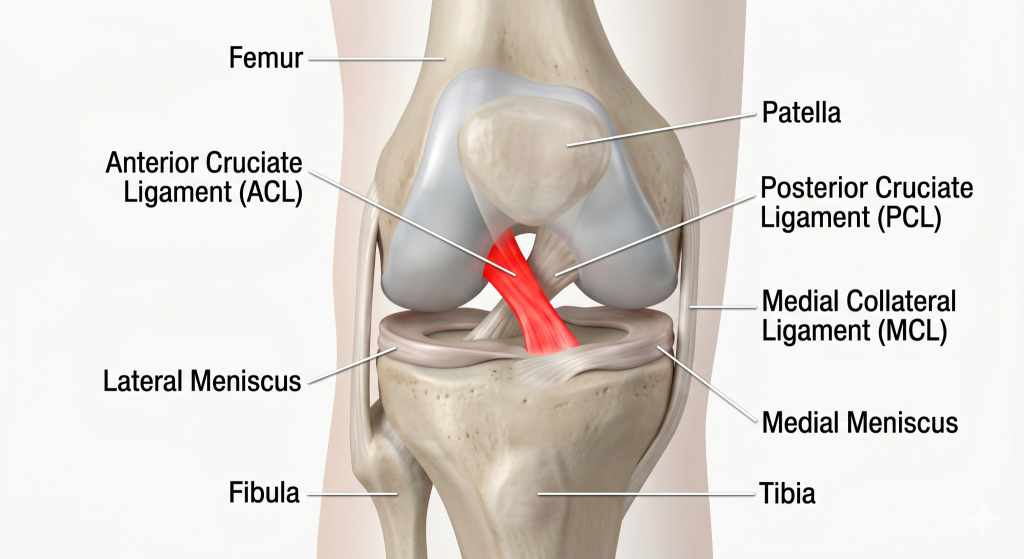
Why Athletes Often Minimise Knee Injuries?
Athletes are trained to “push through pain.” In sports culture, walking off a field is sometimes seen as weakness. But the knee is not like a pulled muscle; ignoring a ligament injury does not make it heal faster. It makes it worse.
There is also a genuine lack of awareness. Many athletes and coaches do not know what ACL tear symptoms actually look like or assume that because they can still walk, the injury cannot be serious.
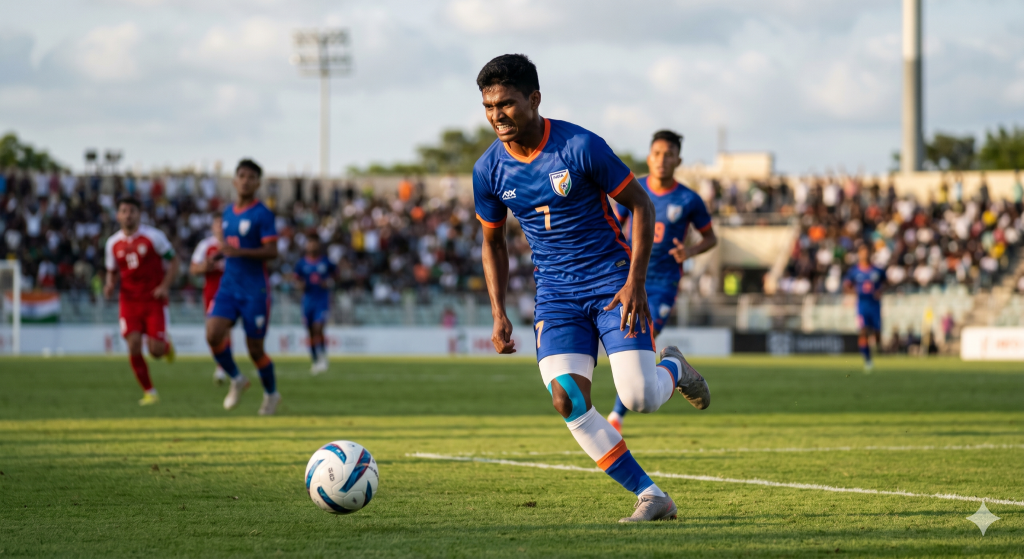
8 Common ACL Injury Mistakes Athletes Make After Knee Trauma
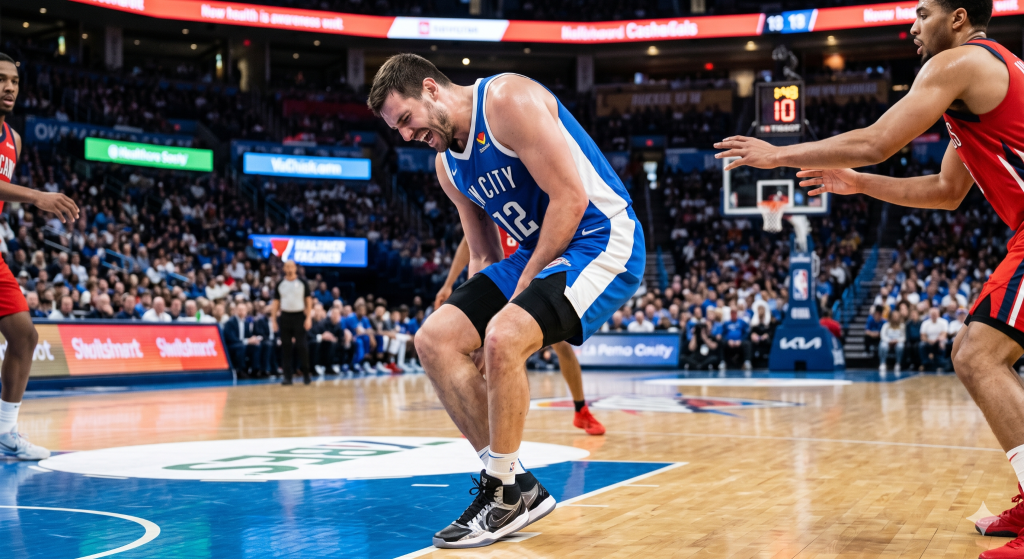
Mistake 1: Continuing to Play After Hearing a Pop
A popping sound in the knee during sports activity is a classic sign of an ACL injury. Continuing to play after this sound can cause additional damage to the cartilage, meniscus, and other knee structures making recovery longer and more complex.
That popping sound is your knee telling you something just went very wrong. It is one of the hallmark ACL tear symptoms.
When athletes continue playing after an ACL injury, the unstable knee can damage surrounding structures, especially the meniscus, which is the shock-absorbing cartilage in the knee. A simple ACL tear can become a complex, multi-structure knee injury requiring more extensive surgery.
Mistake 2: Assuming It Is “Just a Sprain”
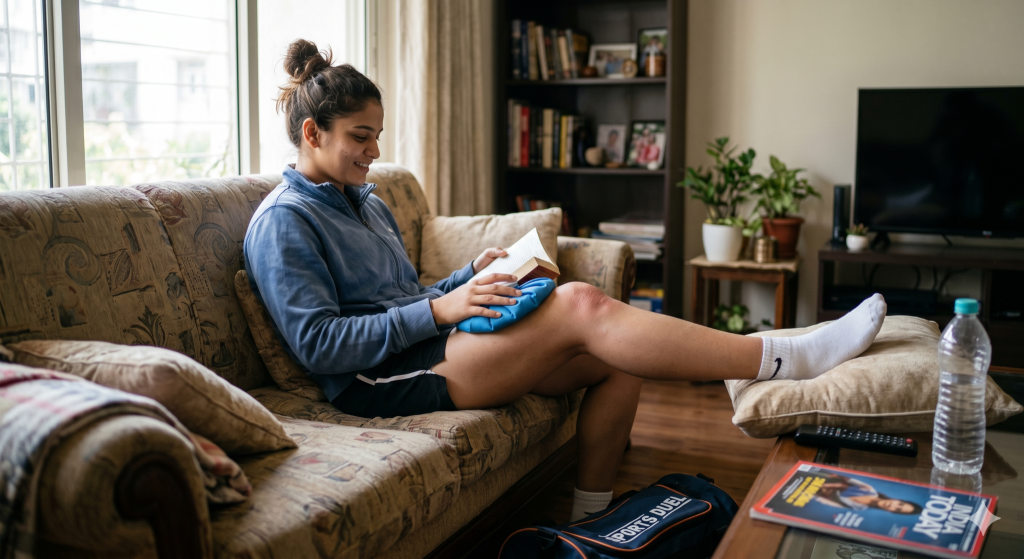
Not all knee injuries are sprains. While a sprain involves stretching of ligaments, an ACL tear is a partial or complete rupture. Without proper evaluation, one is easily mistaken for the other, delaying treatment and worsening outcomes.
“It’s just a sprain” is one of the most dangerous phrases I hear in my clinic. The symptoms of a mild sprain and an ACL tear can feel similar at first pain, swelling, and limited movement.
But an ACL tear does not heal the way a mild sprain does. Without proper knee injury treatment, the knee stays unstable and puts you at risk for re-injury and long-term joint damage, including early-onset arthritis.
Mistake 3: Delaying MRI or Orthopedic Evaluation
An MRI is the gold standard for diagnosing ACL injuries. Delaying it allows additional damage to occur and postpones appropriate treatment whether that is physiotherapy or ACL reconstruction surgery.
Many athletes wait days, weeks, or even months before seeing a sports injury specialist. During that time, they continue light activity on an unstable knee, which can tear the meniscus and damage joint cartilage.
If you have had significant knee trauma during sports, get an MRI within the first one to two weeks. Early diagnosis means earlier treatment and a better outcome.
Mistake 4: Ignoring Swelling and Instability
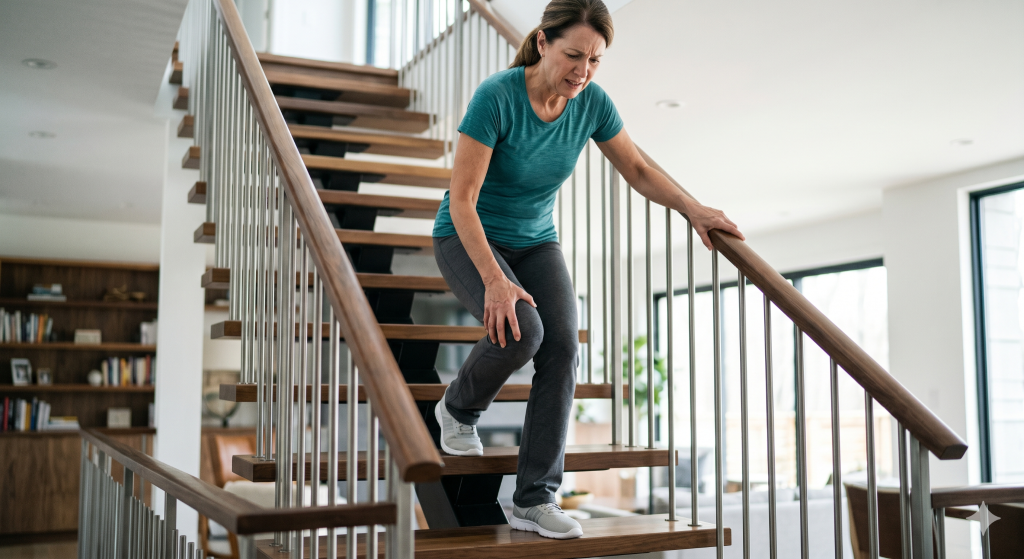
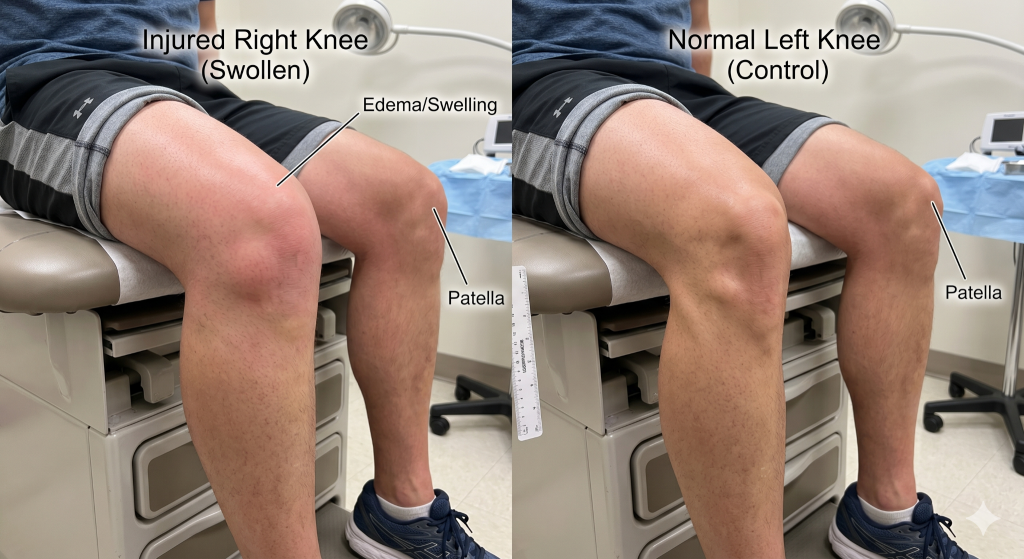
Swelling after a knee injury is not normal. It is your body’s alarm system telling you something inside the joint is damaged. Similarly, a feeling that your knee is “giving way” or unstable is a red flag that should never be ignored.
Knee swelling after an ACL injury often comes from blood accumulating inside the joint a condition called hemarthrosis. This needs medical evaluation, not just ice and elevation at home.
Mistake 5: Returning to Sports Too Early
Returning to sports before full ACL recovery is one of the leading causes of re-injury. Athletes who return before 9 months have significantly higher re-tear rates. Full recovery after ACL reconstruction surgery typically takes 9–12 months.
I understand the pressure athletes feel to get back on the field. But returning before your knee is ready does not just risk another ACL tear it can end your sports career entirely.
Return to sport should only happen after passing specific functional and strength tests, with clearance from your orthopedic surgeon and physiotherapist. Never make this decision based on how you feel alone.
Mistake 6: Skipping Physiotherapy
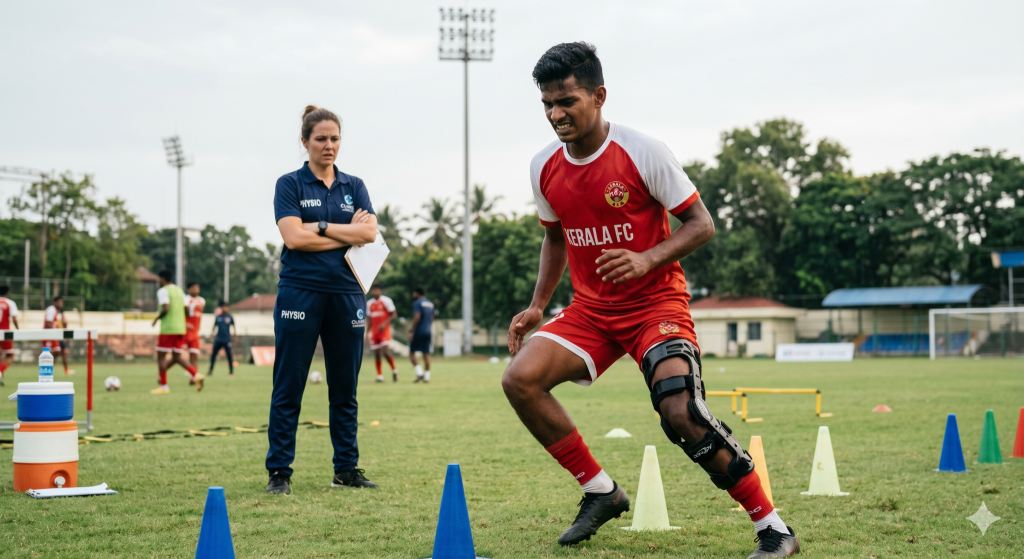
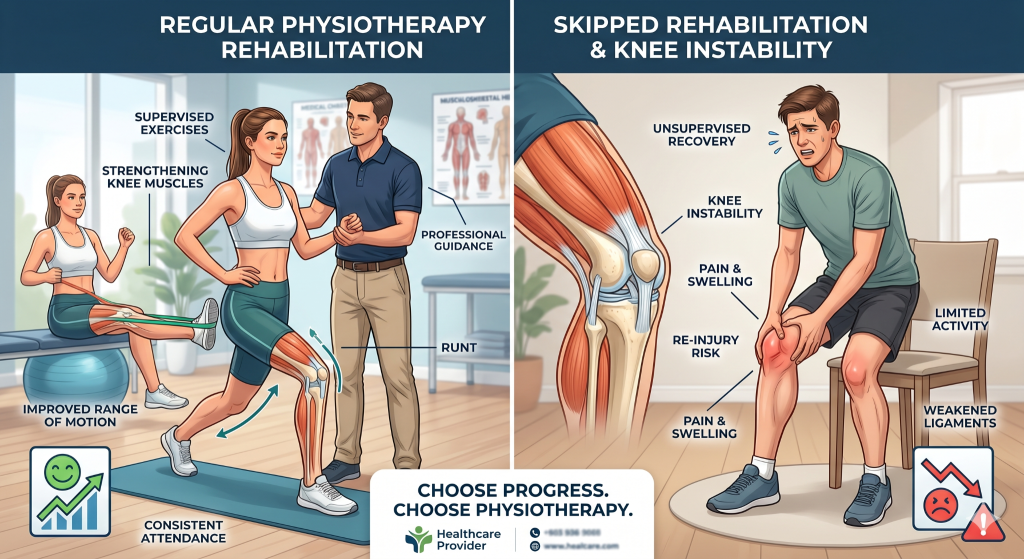
Whether or not you have ACL reconstruction surgery, physiotherapy is absolutely essential. It rebuilds the strength, flexibility, balance, and neuromuscular control your knee needs to function safely again.
Athletes who skip or shorten their physiotherapy program have weaker knees, higher re-injury rates, and poorer long-term outcomes. Structured ACL rehabilitation is not optional it is the core of recovery.
Mistake 7: Self-Treating with Painkillers Only
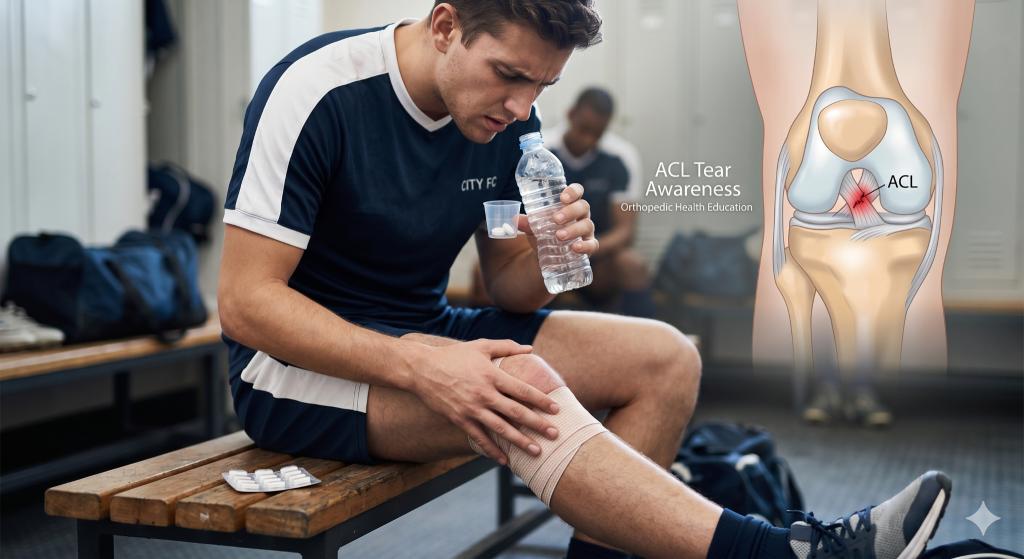
Taking ibuprofen or other painkillers can reduce pain temporarily but they do nothing to heal a torn ligament. Painkillers can actually mask the severity of your injury, allowing you to move on an unstable knee without realizing the damage being done.
Pain relief should be part of a larger treatment plan overseen by an orthopedic surgeon not a substitute for one.
Mistake 8: Not Following a Structured Recovery Plan
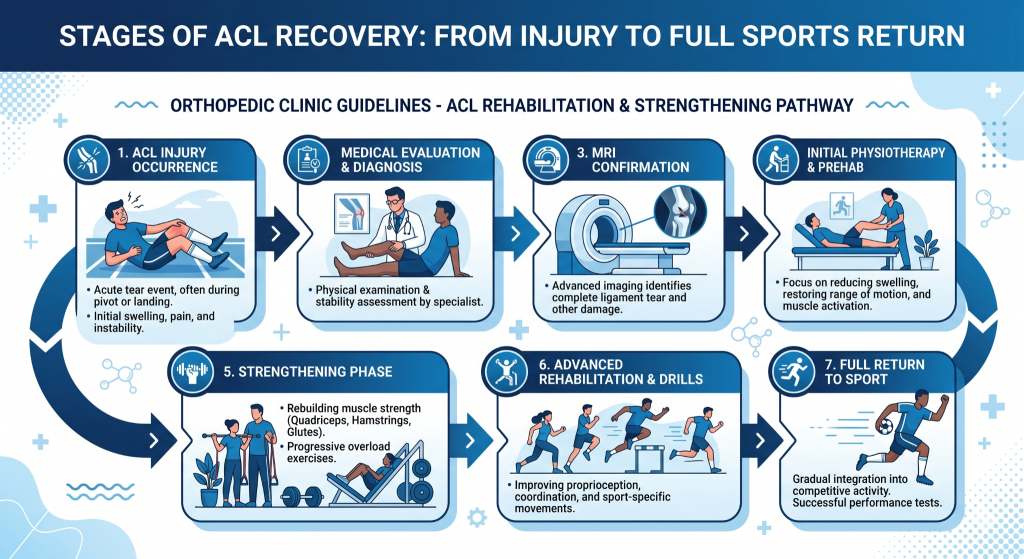
ACL recovery is not linear. There are stages each one building on the last. Skipping stages, doing too much too soon, or not following your surgeon’s advice can cause setbacks that add months to your recovery.
A structured ACL rehabilitation plan should be created and monitored by your orthopedic surgeon and a certified sports physiotherapist. Every athlete’s plan will differ based on their sport, injury severity, and surgical approach.
Early ACL Tear Symptoms Athletes Should Never Ignore
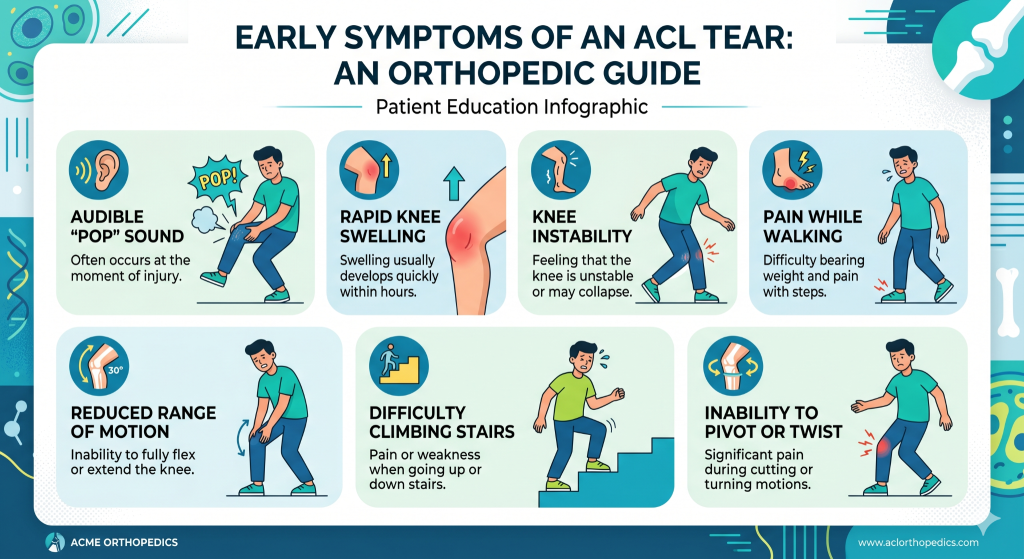
Recognising ACL injury early can make the difference between a 6-month recovery and a 12-month one. Watch for:
- A sudden, loud popping sound at the moment of injury
- Rapid, severe knee swelling within 2–6 hours
- A feeling that the knee is giving way or unstable
- Severe pain that makes weight-bearing difficult
- Loss of the full range of motion in the knee
- Pain when trying to pivot, rotate, or change direction
- Difficulty running or going up and down stairs
ACL Injury vs Knee Sprain : Key Differences
| Symptom | Mild Knee Sprain | ACL Tear |
| Swelling | Mild to Moderate | Severe, Rapid Onset |
| Pain Level | Mild to Moderate | Moderate to Severe |
| Popping Sound | Rare | Yes — Classic Sign |
| Knee Instability | Minimal | Significant / Giving Way |
| Weight-Bearing | Usually Possible | Painful / Difficult |
| MRI Needed? | Usually No | Yes — Recommended |
| Recovery Time | 1–4 Weeks | 6–12 Months |
| Surgery Often? | No | Often Required for Athletes |
What To Do Immediately After a Suspected ACL Injury
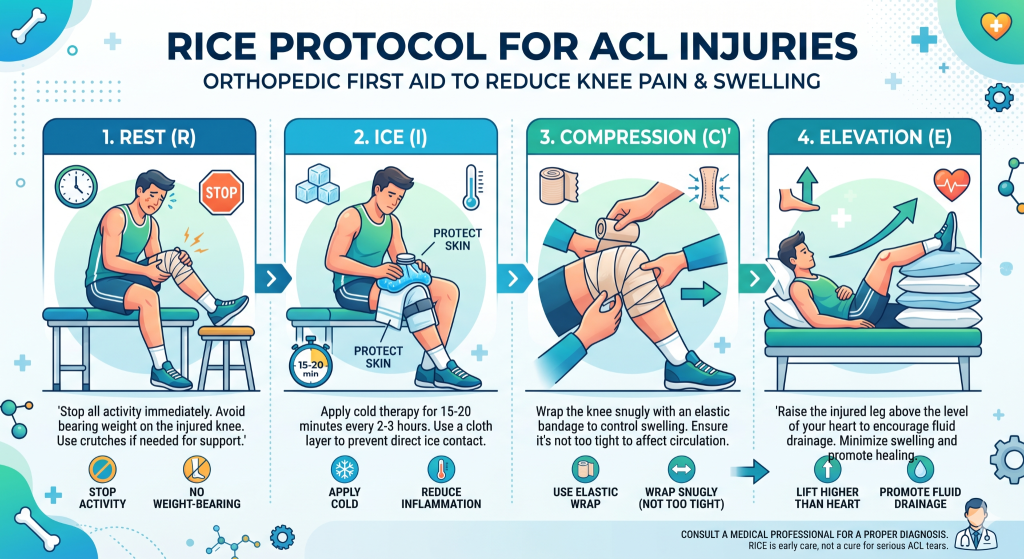
If you suspect an ACL injury, stop all activity immediately, apply the RICE protocol, avoid weight-bearing, and get an orthopedic evaluation within 24–72 hours. An MRI should follow promptly to confirm the diagnosis.
- Stop all sports activity immediately do not try to “walk it off”
- Apply the RICE protocol: Rest, Ice (20 minutes every 2 hours), Compression, Elevation
- Avoid putting full weight on the injured knee use crutches if available
- Do not apply heat or massage the knee in the first 48–72 hours
- Visit a sports injury specialist or orthopaedic surgeon within 24–72 hours
- Get an MRI to confirm the diagnosis and assess all knee structures
- Discuss surgical and non-surgical treatment options based on your MRI results
When Should You See an Orthopedic Surgeon in Indore?
Do not wait. See a knee pain specialist in Indore immediately if you experience:
- Sudden knee swelling after sports activity
- A popping sound followed by pain and instability
- Inability to bear weight on the injured knee
- Repeated episodes of the knee giving way
- Knee pain that does not improve after one week of rest
Early diagnosis means earlier treatment, a shorter recovery, and better long-term outcomes. Athletes from cricket, football, basketball, kabaddi, and gym training in Indore regularly visit our orthopaedic clinic for knee injury evaluation and ACL treatment.
Frequently Asked Questions
Q1. What are the first signs of an ACL tear?
The first signs include a loud popping sound at the moment of injury, rapid knee swelling within 2–6 hours, severe pain, and a feeling that the knee is unstable or giving way. If you experience these symptoms after a sports injury, see an orthopedic surgeon promptly.
Q2. Can you walk with a torn ACL?
Yes, some people can walk short distances with a torn ACL, especially initially. However, walking on an unstable knee risks further damage to the cartilage and meniscus. Just because you can walk does not mean the injury is minor always get it properly evaluated.
Q3. Is ACL surgery always necessary?
No. Non-surgical treatment may work for partial tears or less active individuals. However, competitive athletes who want to return to high-demand sports typically need ACL reconstruction surgery for the best chance of full recovery and prevention of re-injury.
Q4. How long does ACL recovery take after surgery?
Full ACL recovery after reconstruction surgery typically takes 9–12 months. The exact timeline depends on injury severity, surgical technique, and how diligently the athlete follows their rehabilitation program. Returning too early significantly increases the risk of re-tear.
Q5. Can an ACL heal naturally without surgery?
A completely torn ACL does not heal on its own because the torn ends cannot reconnect in a functional way. Partial tears may partially improve, but for active athletes, physiotherapy alone is usually insufficient for safe return to sport. Surgical reconstruction is typically recommended for complete tears.
Q6. When should I get an MRI after a knee injury?
Get an MRI within 1–2 weeks of significant knee trauma if you have swelling, instability, or experienced a popping sound. An MRI is the only way to clearly assess all knee structures including the ACL, meniscus, and cartilage to determine the right treatment plan.
Q7. Which sports most commonly cause ACL injuries?
Sports with high ACL injury rates include football, cricket, basketball, badminton, kabaddi, volleyball, skiing, and gymnastics. Any sport involving sudden direction changes, pivoting, jumping, or physical contact carries an elevated ACL risk.
Q8. Who is the best orthopedic doctor for ACL injuries in Indore?
Dr. Tarkit Modi is an experienced orthopedic surgeon in Indore specializing in sports injury treatment, knee ligament injuries, and ACL reconstruction surgery. He provides comprehensive knee injury treatment including diagnosis, arthroscopic surgery, and structured ACL rehabilitation for athletes of all levels.
Q9. How is an ACL tear different from a knee sprain?
A knee sprain is a stretch or minor tear of a ligament that often heals with rest. An ACL tear is a partial or complete rupture of the anterior cruciate ligament a more serious injury that typically requires physiotherapy and often surgery for athletes to safely return to sport.
Q10. What happens if an ACL injury is left untreated?
An untreated ACL tear leads to chronic knee instability, increased risk of meniscal damage, cartilage breakdown, and early-onset osteoarthritis. Repeated instability episodes over time cause progressive joint damage that can permanently limit activity and quality of life.
An ACL injury is serious but it is not the end of your sports career if managed correctly and promptly.
The biggest risk is not the injury itself. It is the time wasted on denial, self-treatment, and delayed medical evaluation. Every week that passes without proper diagnosis and treatment is a week added to your eventual recovery.
If you are an athlete in Indore or a parent of a young athlete who has experienced knee trauma, please do not wait. The sooner you see a qualified sports injury specialist, the sooner you are on the path to full recovery.
As an orthopedic surgeon in Indore specializing in sports injuries and ACL reconstruction, Dr. Tarkit Modi is here to help you understand your injury, your options, and your path back to the sport you love.
Book Your Consultation with Dr. Tarkit Modi Orthopedic Surgeon & Sports Injury Specialist, Indore. Experiencing knee pain, swelling, or instability after a sports injury? Don’t wait. Early diagnosis saves your knee and your sports career.