
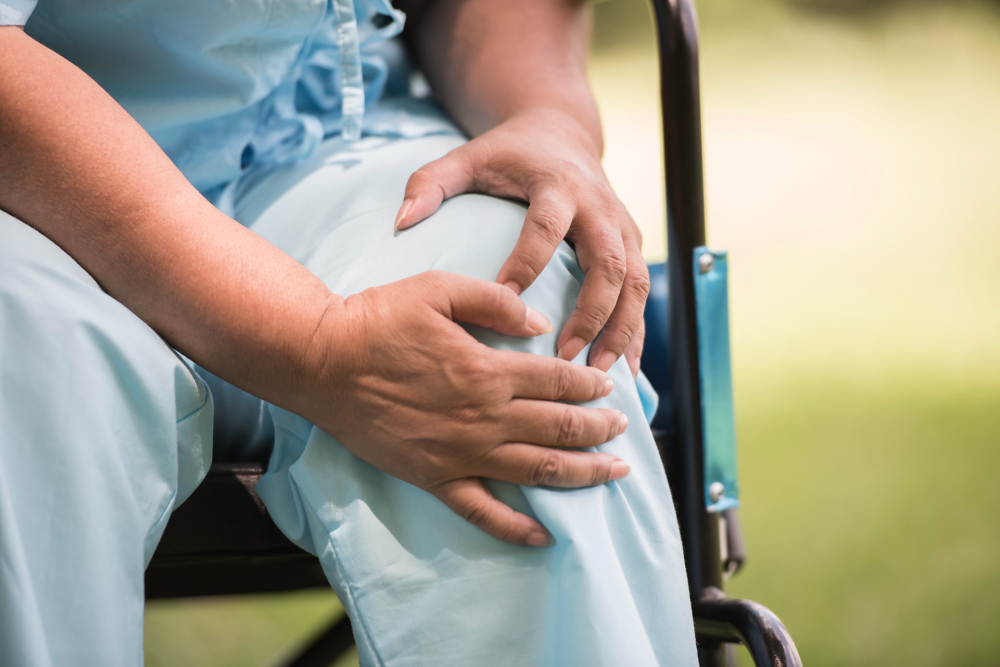
A patient in his late 50s from Indore told me i something many arthritis sufferers can relate to: “I used to walk every morning. Now I can barely get down the stairs.” Knee pain had slowly taken over his routine. The less he moved, the stiffer his joints became, and the stiffer they got, the less he wanted to move. It is a painful cycle that thousands of arthritis patients in Indore and across Madhya Pradesh face every day.
Can Lifestyle Changes Help Arthritis Patients Stay Active?
Yes. Lifestyle changes such as maintaining a healthy weight, doing regular low-impact exercise, eating an anti-inflammatory diet, improving sleep quality, and protecting your joints during daily tasks can significantly reduce arthritis pain and improve mobility. Research shows that patients who follow these habits consistently often experience better joint function and a much higher quality of life sometimes without needing surgery.
What Is Arthritis and Why Does It Affect Daily Movement?
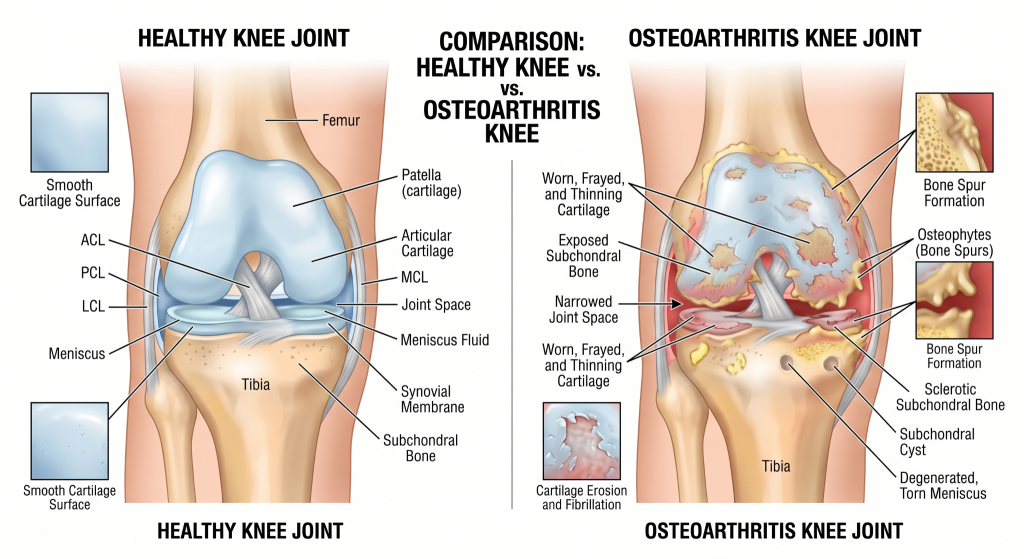
Arthritis is not a single disease. It is an umbrella term for more than 100 conditions that cause joint pain, swelling, and stiffness. The two most common types are:
Osteoarthritis (OA): The most common form, where the protective cartilage cushioning the ends of your bones gradually wears down over time. It most often affects the knees, hips, and spine.
Rheumatoid Arthritis (RA): An autoimmune condition where the immune system mistakenly attacks joint tissue, causing inflammation and damage.
When joints lose cartilage or become inflamed, even simple movements like climbing stairs, sitting down, or walking to the kitchen can feel like a significant effort.
Why Staying Active Matter for Arthritis Patients?
It might seem logical to rest when joints hurt. But prolonged inactivity actually makes arthritis worse. Here is why staying active is essential:
- Joint lubrication: Movement stimulates the production of synovial fluid, which keeps joints lubricated and reduces friction.
- Muscle strength: Strong muscles around a joint take pressure off the joint itself.
- Balance and coordination: Regular activity reduces fall risk, which is especially important for older patients.
- Mood and pain perception: Exercise triggers the release of endorphins, the body’s natural pain relievers.

Lifestyle Change1: Maintain a Healthy Weight
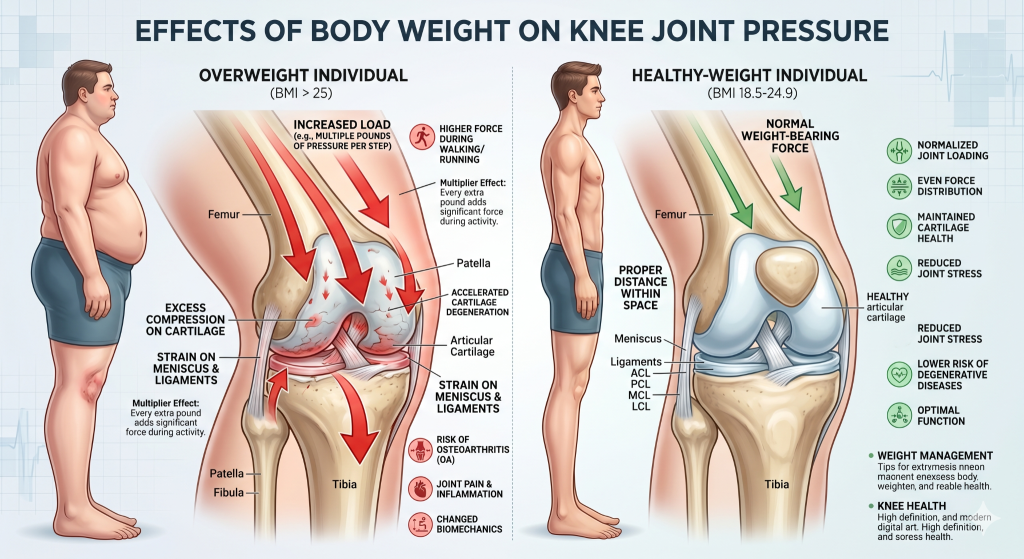
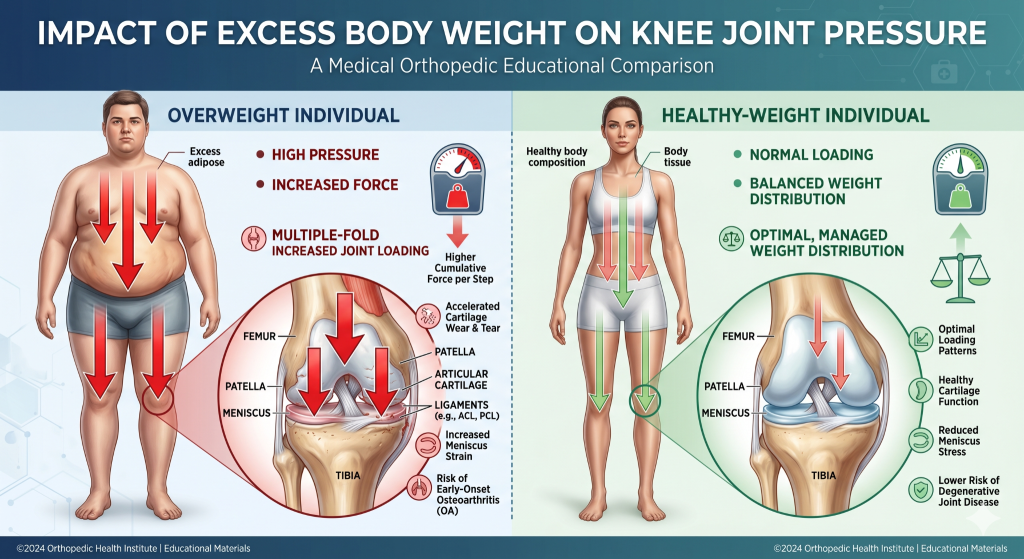
How Excess Weight Increases Joint Stress?
Every extra kilogram of body weight places approximately 4 kg of additional pressure on your knee joints with every step. That adds up fast during a short walk. Over time, this excess load accelerates cartilage breakdown and worsens osteoarthritis pain.
Benefits of Weight Reduction for Arthritis
A landmark study published in Arthritis & Rheumatology found that losing just 10% of body weight led to a 50% reduction in knee pain for overweight osteoarthritis patients. Even modest weight loss 4 to 5 kilograms can make a noticeable difference in how your joints feel day to day.
Lifestyle Change 2: Choose Low-Impact Exercises
Best Exercises for Arthritis Patients
Not all exercise is equal for arthritic joints. The goal is movement that strengthens muscles and keeps joints flexible without adding more wear.
| Exercise | Impact on Joints | Recommended |
| Walking (flat surface) | Low | ✅ Yes |
| Swimming / Water aerobics | Very Low | ✅ Yes |
| Cycling (stationary or outdoor) | Low | ✅ Yes |
| Yoga and stretching | Low | ✅ Yes |
| Tai Chi | Very Low | ✅ Yes |
| Running / Jogging | High | ⚠️ Modify or avoid |
| High-impact aerobics | High | ⚠️ Avoid |
| Heavy weightlifting | High | ⚠️ Consult first |
Exercises That May Need Modification
Running, jumping, or playing high-impact sports can put excessive stress on already damaged joints. This does not mean you can never do them but they should be discussed with your orthopaedic surgeon or physiotherapist before you start.

Lifestyle Change 3: Follow an Anti-Inflammatory Diet
Foods That Support Joint Health
What you eat directly affects how much inflammation your body produces. An anti-inflammatory diet will not cure arthritis, but it can reduce flare-ups and support overall joint health.
| Recommended Foods | Foods to Limit |
| Fatty fish (salmon, mackerel) | Processed foods and packaged snacks |
| Leafy greens (spinach, methi) | Refined sugar and sugary drinks |
| Turmeric and ginger | Red meat and fried foods |
| Walnuts and flaxseeds | Excess salt and sodium |
| Olive oil | White bread and refined carbs |
| Berries and citrus fruits | Alcohol |
| Dal, legumes, and lentils | Full-fat dairy (limit) |
The Arthritis Foundation recommends a Mediterranean-style diet as one of the most effective dietary approaches for reducing joint inflammation.

Lifestyle Change #4: Improve Sleep and Manage Stress
Connection Between Sleep and Arthritis Pain
Poor sleep and arthritis create a difficult feedback loop. Pain disrupts sleep, and lack of sleep lowers your pain threshold, making the same level of joint pain feel more intense the next day. Studies show that arthritis patients with chronic sleep problems report significantly higher pain levels and worse physical function.
Simple Stress Reduction Techniques
Stress causes the body to release cortisol and other inflammatory chemicals that can trigger arthritis flares. Practical techniques to manage stress include:
- Deep breathing exercises: Even five minutes a day can lower cortisol levels.
- Gentle yoga or stretching before bed: This combines physical movement with mental relaxation.
- Meditation or mindfulness: Apps like Insight Timer offer free guided sessions in Hindi and English.
Prioritising 7 to 8 hours of quality sleep is not a luxury for arthritis patients; it is part of the treatment plan.

Lifestyle Change #5: Protect Your Joints During Daily Activities
Joint Protection Strategies
The way you perform everyday tasks matters more than most people realise. Small adjustments in technique can prevent unnecessary strain:
- Use your larger, stronger joints for heavy tasks (carry bags with your forearm, not your fingers).
- Sit in chairs with armrests so you can push yourself up with your arms, not your knees.
- Avoid sitting on the floor for extended periods if you have knee arthritis.
- Take short breaks during repetitive tasks.
Helpful Supportive Devices
Supportive devices are not a sign of weakness; they are smart tools that protect joints and extend independence:
- Knee braces: Provide stability and reduce pressure on specific parts of the joint.
- Supportive footwear: Cushioned, well-fitted shoes absorb impact and reduce knee stress.
- Walking aids: A walking stick used correctly can offload up to 25% of knee joint pressure.

Common Mistakes Arthritis Patients Make
Even motivated patients can unknowingly slow their recovery. Watch out for these:
- Complete bed rest: Rest feels intuitive, but too much inactivity causes muscles to weaken and joints to stiffen faster.
- Ignoring gradual weight gain: Extra weight is one of the most controllable risk factors for worsening knee arthritis.
- Self-medication: Over-the-counter painkillers taken unsupervised for months can damage the stomach lining and kidneys without addressing the underlying joint problem.
- Avoiding physiotherapy: Physiotherapy is one of the most evidence-backed interventions for arthritis, yet it remains underutilised.
- Waiting too long to seek help: Arthritis caught and managed early responds significantly better to conservative treatment.

When Should You Consult an Orthopaedic Surgeon in Indore?
Lifestyle changes are powerful, but they work best as part of a complete treatment plan. It is time to consult a specialist if you notice:
- Joint pain lasting more than six weeks
- Noticeable swelling or warmth around a joint
- Increasing difficulty walking, climbing stairs, or standing up
- A significant reduction in your range of motion
- Sleep disruption due to pain at night
- Pain that is no longer responding to over-the-counter medication
These signs suggest that your arthritis may need professional evaluation and a structured arthritis treatment plan.
Arthritis does not have to mean giving up the activities you love. Five consistent lifestyle changes maintaining a healthy weight, exercising regularly with low-impact movement, eating an anti-inflammatory diet, improving sleep and managing stress, and protecting your joints during daily tasks can make a measurable difference in how you feel and function.
These are not temporary fixes. They are long-term habits that, combined with the right medical care, give arthritis patients in Indore and across Madhya Pradesh the best chance of staying active, independent, and pain-free for longer.
If arthritis pain is affecting your daily life, consult Dr Tarkit Modi, an experienced orthopaedic surgeon in Indore, for a personalised arthritis treatment plan tailored to your condition and lifestyle.
Frequently Asked Questions (FAQs)
Can arthritis patients exercise daily?
Yes. Daily low-impact exercise is strongly recommended for arthritis patients. Activities like walking, swimming, and yoga help lubricate joints, strengthen supporting muscles, and reduce stiffness. The key is to start gently, listen to your body, and increase intensity gradually. Consult your orthopaedic doctor before starting a new routine.
Which exercise is safest for arthritis?
Swimming and water aerobics are among the safest exercises for arthritis patients because water supports body weight and reduces joint stress. Walking on flat surfaces, gentle yoga, and stationary cycling are also excellent low-impact options that improve mobility without causing additional joint damage.
Does walking help arthritis?
Yes. Regular walking is one of the most effective and accessible exercises for arthritis patients. It helps maintain joint flexibility, strengthens leg muscles, supports healthy weight, and reduces pain over time. Start with 10–15 minutes daily and increase gradually. Wear supportive footwear and choose flat, even surfaces.
Can weight loss reduce knee pain?
Absolutely. For every kilogram lost, approximately 4 kg of pressure is removed from your knee joints. Studies show that losing just 10% of body weight can reduce knee arthritis pain by up to 50%. Even small, gradual weight loss has a meaningful positive impact on joint health.
Which foods should arthritis patients avoid?
Arthritis patients should limit refined sugar, fried foods, processed snacks, red meat, excess salt, and alcohol all of which can promote inflammation and worsen joint pain. Focus instead on anti-inflammatory foods like fatty fish, turmeric, leafy greens, nuts, and legumes to help manage symptoms.
Is arthritis curable?
Currently, most forms of arthritis, including osteoarthritis and rheumatoid arthritis, do not have a permanent cure. However, with the right arthritis treatment plan, lifestyle changes, physiotherapy, and medication, most patients can effectively manage pain, slow disease progression, and maintain a good quality of life.
When should I consult an orthopedic doctor for arthritis?
You should consult an orthopedic surgeon if your joint pain lasts more than six weeks, is accompanied by visible swelling or stiffness in the morning, limits your daily activities, or does not respond to basic pain relief. Early evaluation allows for earlier, more effective arthritis treatment.
What is the best arthritis treatment in Indore?
The best arthritis treatment in Indore depends on the type and severity of your condition. Options range from physiotherapy, lifestyle modification, and anti-inflammatory medication to injections and joint replacement surgery for advanced cases. Dr. Tarkit Modi, an orthopedic specialist in Indore, offers personalised arthritis care tailored to each patient.
Can stress make arthritis worse?
Yes. Chronic stress increases levels of inflammatory chemicals in the body that can trigger or worsen arthritis flares. Stress also affects sleep quality, which further amplifies pain sensitivity. Managing stress through breathing exercises, meditation, and gentle yoga is an important — and often overlooked part of arthritis management.
Is physiotherapy helpful for arthritis?
Physiotherapy is one of the most evidence-backed treatments for arthritis. A qualified physiotherapist can design a personalised exercise programe to strengthen muscles around affected joints, improve flexibility, and reduce pain often delaying or preventing the need for surgery. It is recommended as a first-line treatment for most arthritis patients.