

You crushed your workout yesterday. New personal best on squats, extra reps on the bench. You felt unstoppable. And then you woke up this morning and couldn’t walk down the stairs without wincing.
Sound familiar? Almost every person who hits the gym — whether you train at a fitness centre r or work out at home has felt this kind of muscle pain. The burning, the stiffness, the “why did I even do this?” feeling the morning after a hard session.
Here’s the good news: most of the time, that soreness is completely normal. The tricky part is knowing when it isn’t. As an orthopaedic surgeon in Indore, I see both kinds of patients every week people who worried unnecessarily, and people who wait too long. This guide will help you tell the difference.
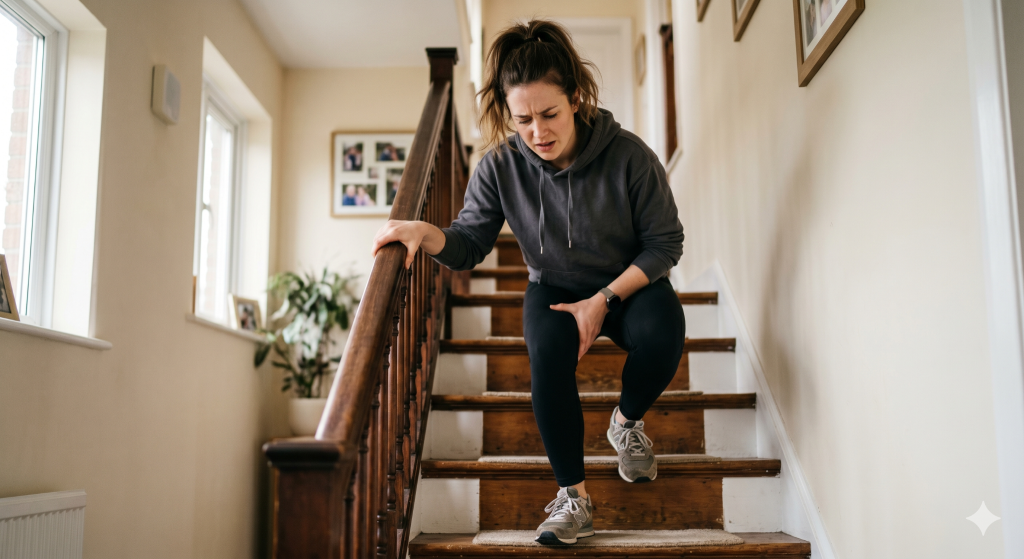
What Is Muscle Soreness? Understanding DOMS
The soreness you feel 24 to 48 hours after exercise has a proper name: Delayed Onset Muscle Soreness, or DOMS. It is not an injury. It is your body’s natural response to the tiny microscopic tears that happen in muscle fibres during exercise.
When you do something new, a new exercise, heavier weight, or simply more reps than usual, your muscles experience small amounts of controlled damage. Your body responds by sending repair signals. Inflammation arrives. The rebuilding process begins. And a few days later, your muscles come back slightly stronger than before. That is literally how fitness works.
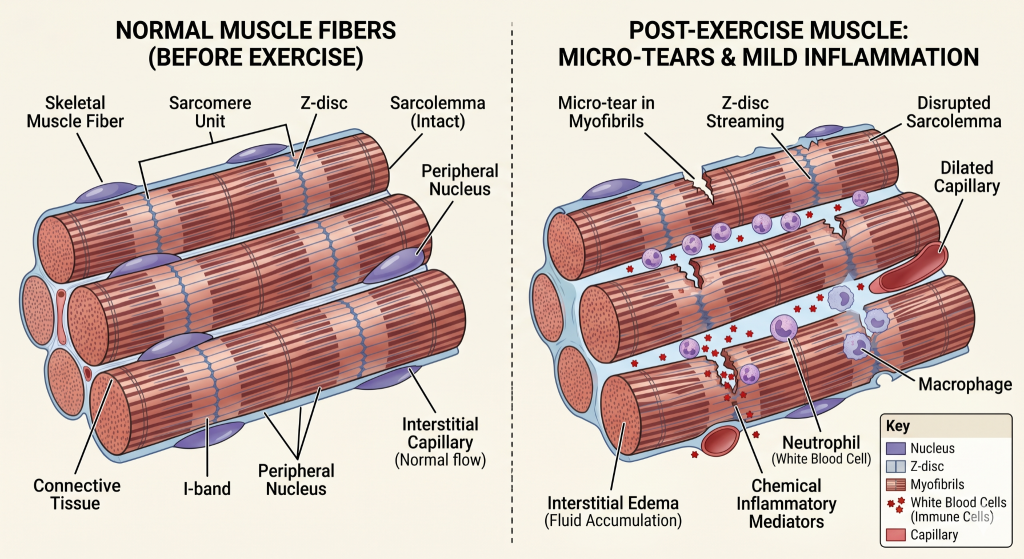
Is Post-Workout Muscle Pain Normal?
Yes, within reason. If you are starting a new fitness routine, increasing your training intensity, or returning after a break, some muscle soreness is not just normal, it is expected. Beginners who join gyms often panic when they wake up stiff on day three. Most of the time, there is absolutely nothing to panic about.
What does normal DOMS feel like?
Normal soreness is a dull, widespread ache across a muscle group. Both thighs ache equally after leg day. Both shoulders burn symmetrically after an upper body session. It is uncomfortable, but it does not stop you from moving. It improves each day gradually and is gone by day 5 at the latest.

DOMS vs. a Real Injury: How to Tell the Difference
| Feature | Normal DOMS | Possible Injury |
| When it starts | 12–48 hours after workout | During or immediately after |
| Type of pain | Dull ache, general soreness | Sharp, stabbing, or shooting |
| Location | Spread across the muscle belly | Pinpoint, one specific spot |
| Both sides affected | Usually symmetric | Usually, only one side |
| Swelling or bruising | None | Possible swelling or bruising |
| Effect on movement | Stiff but functional | Restricted or painful |
| Duration | 3–5 days max | Persists beyond a week |
| What to do | Rest and recover | See a doctor |
Why Does Muscle Soreness Happen?
Muscle soreness after exercise is caused by eccentric muscle contractions, the phase of a movement where your muscle lengthens under load. Think of slowly lowering a dumbbell, going down the stairs, or the downward phase of a squat. This is actually the phase that builds the most muscle, but also the one that creates the most soreness.
Some people experience more soreness than others. Beginners, people returning after a long break, older adults, and anyone who suddenly increases their training volume will typically feel it more intensely. This is not a sign of weakness — it is a sign that the muscles are adapting.
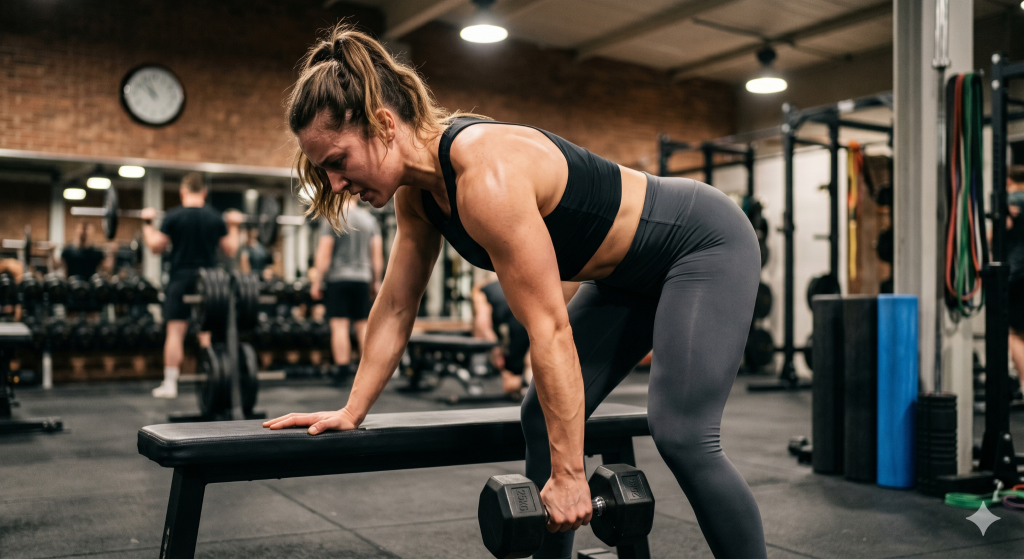
How to Recover from Post-Workout Muscle Pain?
The good news is that DOMS responds well to simple, consistent care. Here is what actually works:
1. Stay Hydrated: Muscle repair requires fluids. Dehydration slows the process and makes soreness worse. Drink water consistently throughout the day, not just during your workout.
2. Active Recovery: A gentle 15-minute walk or light cycling increases blood flow and clears inflammation faster than lying in bed. You do not need to rest completely, you just need to rest the affected muscles.
3. Apply Warmth: Heat relaxes tight muscle fibres. A warm bath or a 10-minute warm compress over the sore area can bring meaningful relief. Avoid ice for DOMS — cold is better suited for acute injuries.
4. Eat Enough Protein: Muscle repair requires amino acids. Include protein in every meal after training — dal, paneer, eggs, chicken, or a protein shake all work well. Skipping meals slows recovery significantly.
5. Sleep 7 to 8 Hours: Approximately 80 percent of muscle repair happens during deep sleep. Your rest is not optional — it is part of your training programme. Sacrificing sleep to train harder is counterproductive.
6. Gentle Stretching: Light stretching and basic yoga improve circulation and reduce stiffness. Avoid deep static stretches on very sore muscles, as these can aggravate microtears that haven’t yet healed.

Warning Signs You Should Never Ignore
It may be a muscle tear, ligament strain, stress fracture, or another condition that needs proper evaluation.
Stop exercising and seek orthopaedic advice if you notice any of the following:
- Sharp pain during exercise — not after, but during the movement itself
- Visible swelling or bruising around a joint or muscle within hours of training
- Pain focused on one specific point, rather than a broad muscle ache
- A “pop” or “snap” sound or sensation at the moment of injury
- Pain that persists beyond 7 days with no improvement
- One arm or leg noticeably weaker than the other
- Numbness, tingling, or a burning sensation travelling down a limb
- Dark brown or cola-coloured urine after a very intense session — this can indicate rhabdomyolysis, a serious condition that requires immediate medical attention
When Should You See an Orthopaedic Doctor in Indore?
Not every ache needs a clinic visit. But some absolutely do. Here is a simple rule I share with every patient: if the pain changes how you move or how you sleep, it deserves medical attention. Do not wait and hope it disappears.
Book a consultation if:
- Your pain has not improved after 5 to 7 days
- You have had repeated injuries to the same area
- You are a serious athlete or runner and your performance is being affected
- You are over 40 and experiencing new joint pain alongside muscle soreness
- You heard or felt something unusual during your workout
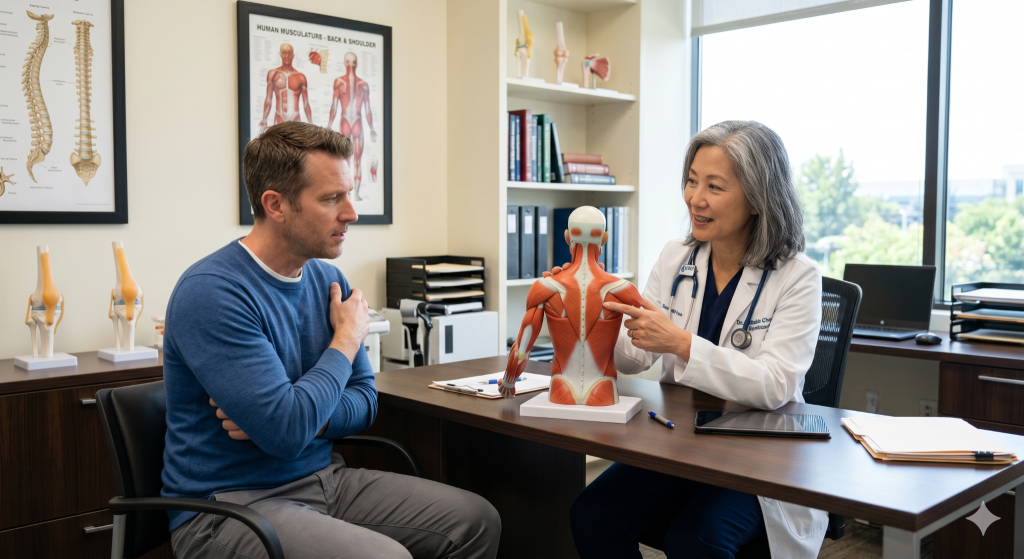
Ready to Get a Proper Diagnosis?
Whether it is post-workout soreness that has lasted too long or a nagging injury that keeps coming back, do not guess. Dr. Tarkit Modi’s orthopedic clinic in Indore is here to help you recover faster, train smarter, and stay pain-free for the long term.
Frequently Asked Questions
Q1. How long does normal muscle soreness last after a workout?
Normal DOMS lasts between 3 and 5 days. Soreness that persists beyond 7 days, or that gets worse instead of better, is not typical and should be evaluated by an orthopedic doctor.
Q2. Should I exercise when my muscles are still sore?
Light activity like walking is actually helpful — it increases circulation and speeds recovery. However, avoid training the same muscle group intensely again until the soreness has resolved. Never train through sharp or joint-specific pain.
Q3. Can muscle pain be a sign of a bone or joint problem?
Yes. Pain near a joint, pain that came on suddenly during a movement, or pain accompanied by swelling and restricted range of motion may indicate a ligament, tendon, or bone issue — not simple muscle soreness. An orthopedic evaluation is the safest approach.
Q4. When should I visit an orthopedic surgeon in Indore for workout pain?
Visit if the pain is sharp or sudden, does not improve within 5 to 7 days, is accompanied by swelling or bruising, affects only one limb, or if you felt or heard a pop during exercise. Dr. Tarkit Modi’s clinic in Indore offers same-day consultations for acute injuries.
Q5. Are painkillers safe to take for post-workout muscle pain?
Occasional use of ibuprofen or paracetamol for DOMS is generally safe for healthy adults. However, regular use of NSAIDs can slow muscle repair and harm the digestive system. They should complement — not replace — rest, nutrition, and proper recovery.
Q6. Is muscle pain worse in older adults after exercise?
Yes. Muscle recovery naturally slows with age due to changes in protein synthesis and circulation. Adults above 40 may experience more intense DOMS and need longer recovery periods. This is normal, but sharp or joint-specific pain in older adults should always be reviewed by a doctor.
Q7. What is the best muscle pain treatment in Indore?
For normal DOMS: rest, hydration, active recovery, sleep, and good nutrition. For injuries: physiotherapy, targeted injections, or surgical intervention depending on the diagnosis. The right treatment always begins with an accurate diagnosis from a qualified orthopedic specialist in Indore.