
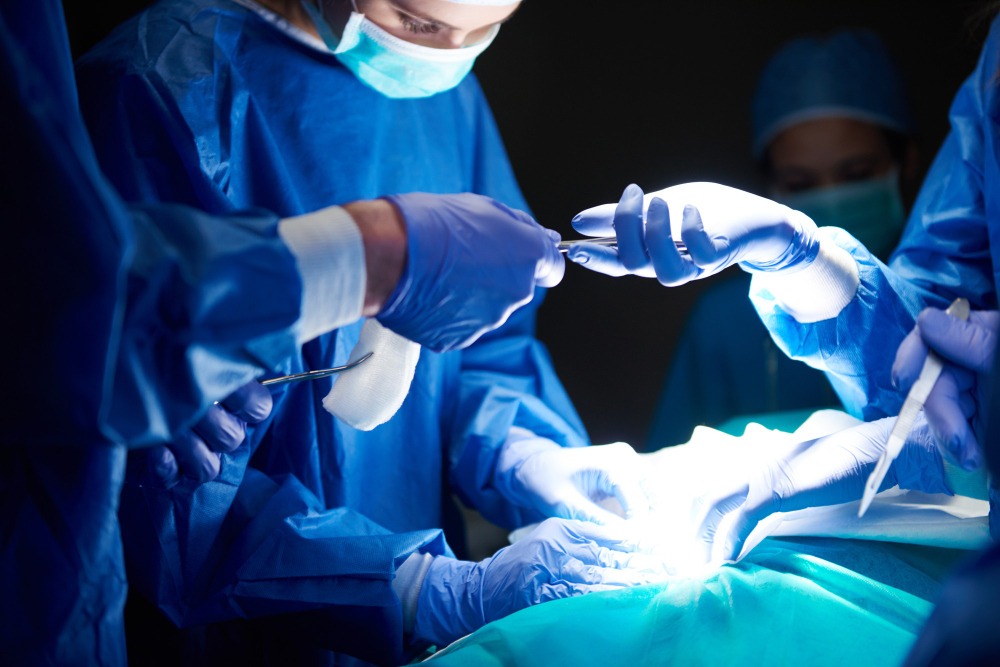
Arthroscopy surgery is a modern, minimally invasive way to diagnose and treat joint problems, helping many patients get back to normal movement faster than with traditional open surgery. For people with knee, shoulder, or other joint pain, it can often be a safe and effective option when medicines and physiotherapy are not enough.
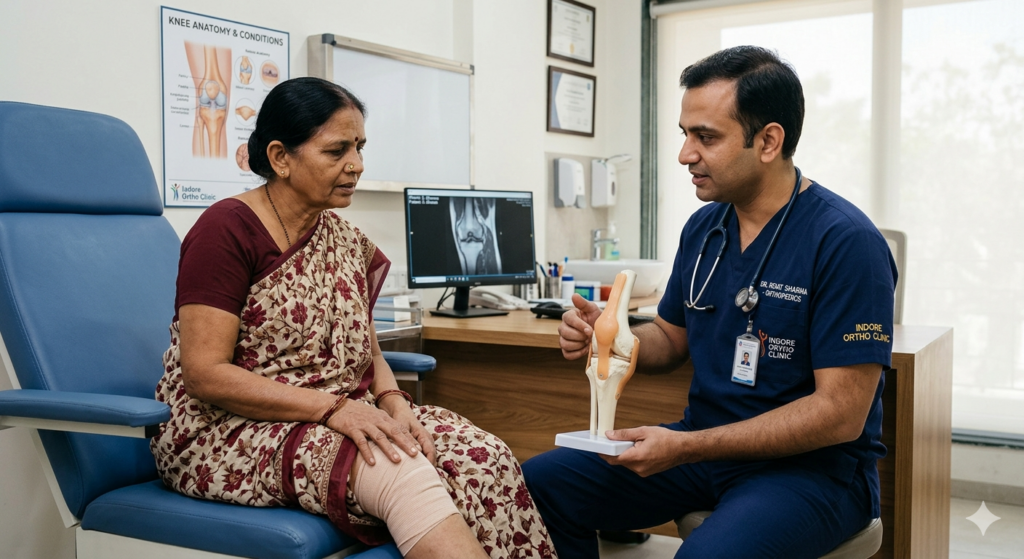
What is Arthroscopy Surgery?
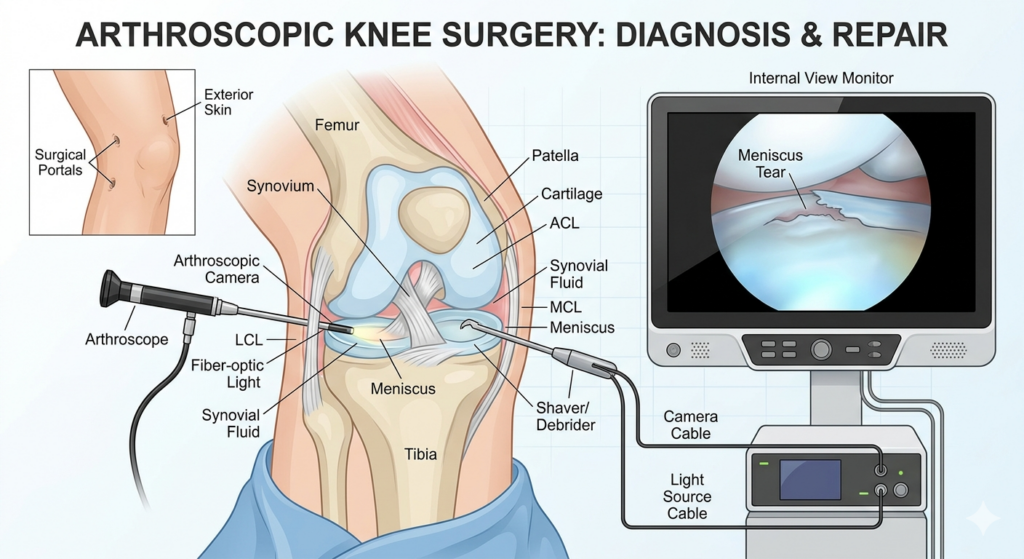
Arthroscopy is a minimally invasive orthopedic procedure where the surgeon makes very small cuts (keyhole incisions) and inserts a tiny camera (arthroscope) and fine instruments to see and treat the inside of the joint. This allows the orthopedic surgeon to clean, repair, or trim damaged tissues without opening the entire joint.
Because the incisions are small, arthroscopy usually causes less pain, less scarring, and a quicker return to daily activities compared to open surgery. It is commonly used for knees and shoulders, but can also be done for hips, ankles, elbows, and wrists.
Conditions Treated with Arthroscopy
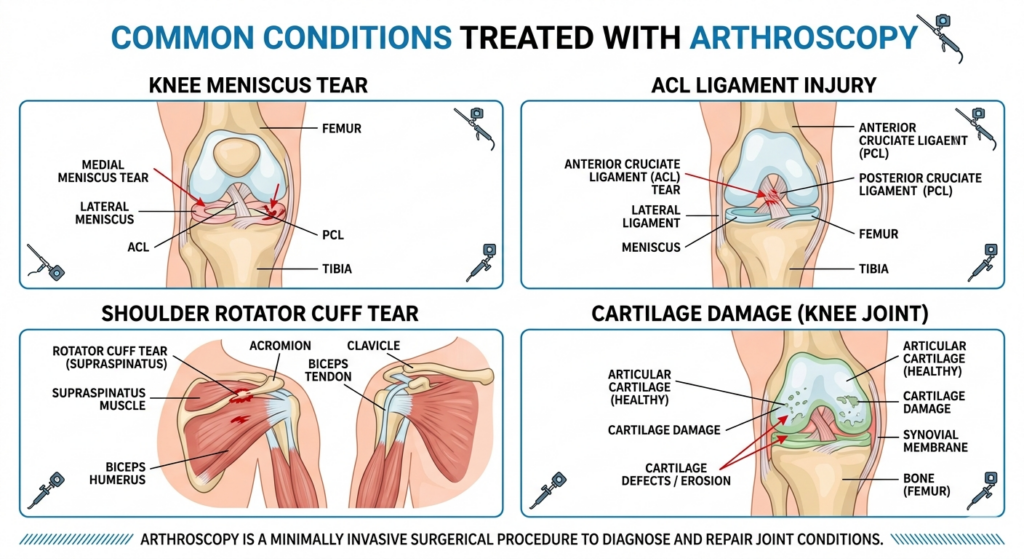
Arthroscopy can help diagnose and treat many joint problems, especially when X‑rays and scans are not giving clear answers. Common conditions include:
- Meniscus tears and cartilage damage in the knee
- Ligament injuries such as ACL or PCL tears
- Shoulder impingement and rotator cuff tears
- Loose bodies (small bone or cartilage pieces) inside the joint
- Early arthritis changes that need cleaning or smoothing of rough surfaces
- Shoulder dislocation and Bankart injury
Your orthopedic doctor will suggest arthroscopy only when simpler treatments like rest, medicines, injections, or physiotherapy have not given enough relief.
Benefits of Arthroscopy vs Open Surgery
Arthroscopy is not right for every patient, but when suitable, it offers several clear advantages over open surgery.
Key Differences in Simple Terms
| Aspect | Arthroscopy (Minimally Invasive) | Open Surgery (Traditional) |
| Incision size | 0.5–1 cm keyhole cuts | Single larger cut, several cm long |
| Tissue damage | Less muscle and tissue disruption | More soft tissue is cut to reach the joint |
| Hospital stay | Often day-care; many go home same day | May need a longer hospital stay |
| Return to walking/work | Walking in a few days; routine work in 1–3 weeks for many cases | Walking may take 2–4 weeks; work often 6–12 weeks |
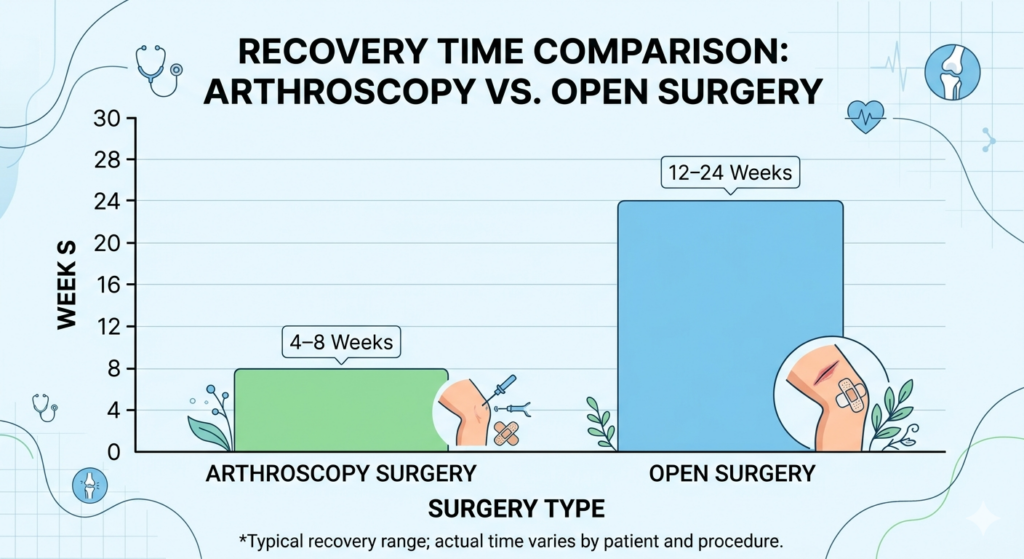
| Full recovery time | Around 4–8 weeks for many knee procedures | Around 3–6 months for similar open procedures |
| Pain and scarring | Usually less pain and smaller scars | Often more pain and more visible scar |
Many knee arthroscopy procedures report overall success rates around 80–90%, depending on the exact problem treated and patient factors.
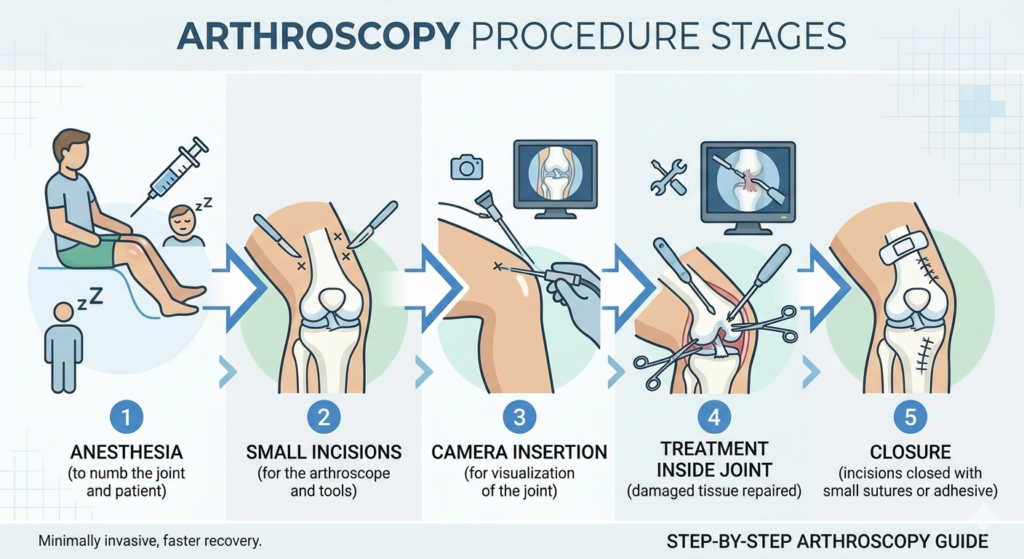
Step-by-Step Arthroscopy Procedure
Here is what usually happens on the day of arthroscopy surgery in simple language:
- Assessment and anesthesia: You are examined, and the anesthetist gives regional or general anesthesia so you feel no pain during surgery.
- Small incisions: The surgeon makes tiny cuts around the joint and fills it with sterile fluid to see clearly.
- Camera inserted: A very small camera (arthroscope) goes inside, showing the joint on a screen in high detail.
- Treatment: Through other small cuts, fine instruments are used to trim torn meniscus, remove loose pieces, repair ligaments, or smooth rough cartilage.
- Closure: The instruments are removed, fluid is drained, and the small cuts are closed with a few stitches or strips.
- Same-day mobilization: Most patients start gentle movement and walking with support soon after, and many go home the same day or next day.
Recovery Time and Results
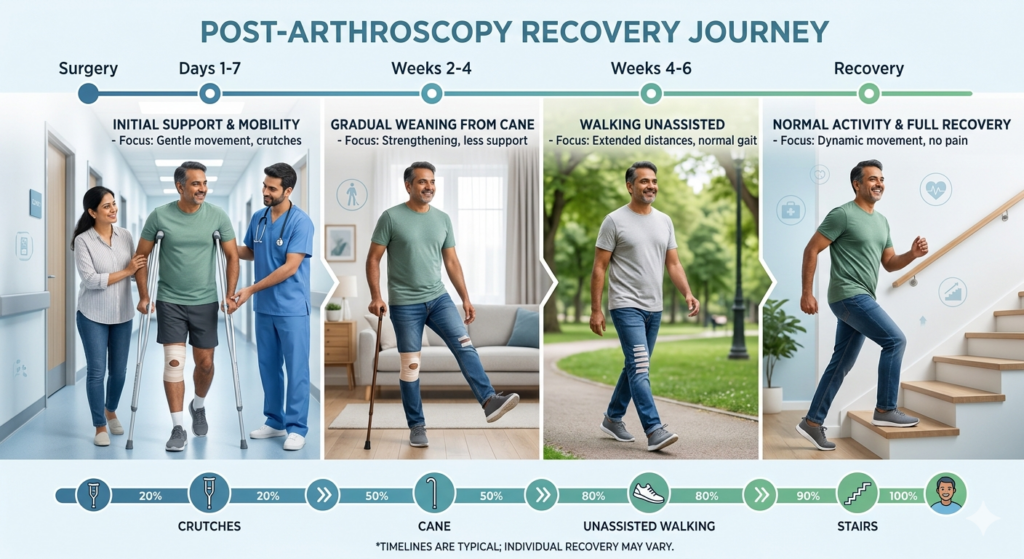
Because arthroscopy is minimally invasive, recovery is typically faster and more comfortable than open surgery. Many patients can walk with support within a few days, resume routine desk work in 1–3 weeks, and achieve good recovery of the joint in about 4–8 weeks for many knee procedures.
Good physiotherapy and following post‑operative advice are critical for best results, especially after ligament repairs like ACL reconstruction, which can take several months for full sports-level recovery.
Overall, knee arthroscopy reports success rates around 85–90% when done by experienced surgeons and when patients follow rehabilitation properly.
Risks and Safety
Like any surgery, arthroscopy has risks, but serious complications are uncommon when done by trained specialists. Large studies of knee arthroscopy report an overall complication rate of about 1–5%, with most issues being minor and treatable.
Research data show:
- Overall complication risk after knee arthroscopy about 1.1–4.8%.
- Infection around 0.8%, deep vein thrombosis around 0.5%, and nerve damage around 1% in some series.
- Prolonged pain or stiffness in about 10–12% of patients, often improving with physiotherapy.
When to Consult an Orthopedic Surgeon?
You should consider seeing an orthopedic for evaluation if you notice:
- Joint pain that lasts more than a few weeks despite rest and medicines
- Locking, catching, or giving way of the knee or shoulder
- Swelling, stiffness, or reduced movement affecting work or daily life
- Sports injuries that are not improving with basic treatment
Arthroscopy surgery is a powerful, minimally invasive orthopedic treatment that can diagnose and treat many joint problems with smaller cuts, faster recovery, and less pain than open surgery in suitable patients. If joint pain is limiting your routine, early consultation can prevent further damage and improve your long-term joint health.
To discuss whether arthroscopy is right for you, book a consultation with Dr. Tarkit Modi, orthopedic surgeon, and get a personalized treatment plan tailored to your lifestyle and goals.
FAQs
1. Is arthroscopy a major surgery or minor procedure?
Arthroscopy is usually considered a minimally invasive procedure because it uses very small cuts and fine instruments, and many patients go home the same day. However, it is still real surgery and needs proper anesthesia, precautions, and recovery support.
2. How long does it take to recover from knee arthroscopy?
Most people can walk with support within a few days and return to desk work in 1–3 weeks after knee arthroscopy. Full recovery for many meniscus procedures is around 4–8 weeks, while ligament reconstructions like ACL may take several months of physiotherapy.
3. Is arthroscopy safe for older patients?
Arthroscopy can be safe for older adults when carefully selected, but age, arthritis, diabetes, and heart disease can affect recovery and risk. Your surgeon will assess your fitness, bone and cartilage condition, and expected benefit before recommending surgery.
4. What is the success rate of knee arthroscopy?
Studies report good to excellent results in about 80–90% of knee arthroscopy patients, depending on the exact condition treated and patient factors. Success is higher when damage is not very advanced and when patients strictly follow rehabilitation advice.
5. What complications can happen after arthroscopy?
Serious problems are rare but can include infection, blood clots, nerve or vessel injury, and prolonged pain or stiffness. Research shows infection around 0.8%, blood clots around 0.5%, and overall complication risk around 1–5% in knee arthroscopy.
6. Will I need physiotherapy after arthroscopy?
Yes, structured physiotherapy is very important after arthroscopy to reduce stiffness, rebuild strength, and protect your repaired joint. Your orthopedic surgeon in Indore and physiotherapist will give you a stepwise exercise plan based on your procedure and daily needs.
7. Can arthroscopy completely cure arthritis?
Arthroscopy cannot reverse advanced arthritis but may help in early cases by cleaning rough surfaces or removing loose debris to reduce symptoms. For late-stage arthritis, joint replacement or other options may be more suitable, which your doctor will explain.