
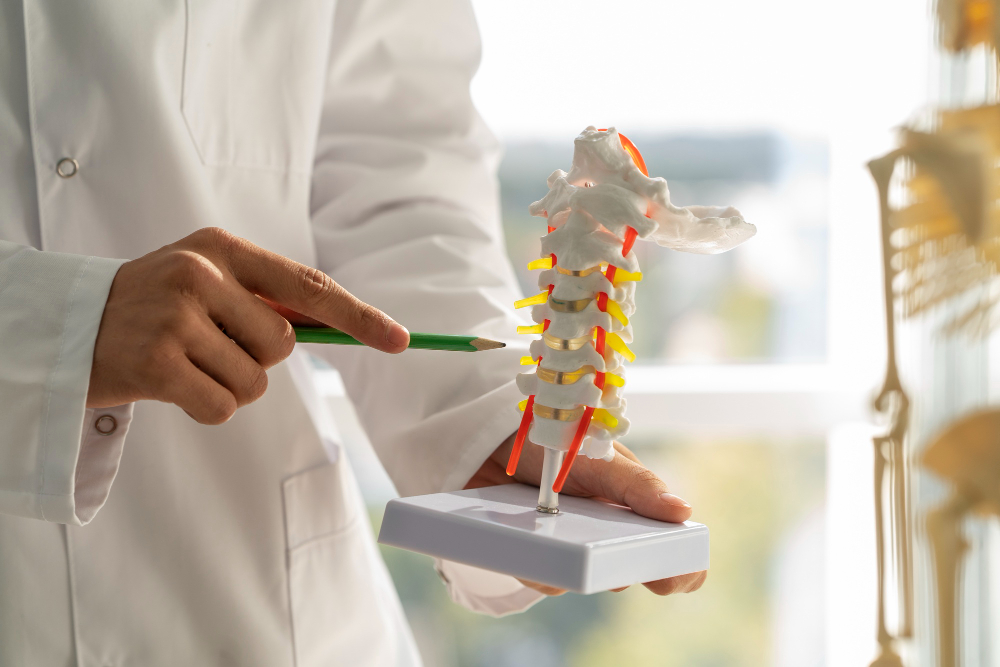
An orthopedic surgeon specializes in diagnosing and treating conditions affecting bones, joints, ligaments, tendons, and muscles. While many musculoskeletal issues can be managed with rest or physical therapy, certain symptoms demand immediate medical attention to prevent permanent damage or disability.
You need to see an orthopedic surgeon immediately if you experience severe pain, visible bone deformity, inability to move a limb, or signs of infection around a joint. Delaying treatment in these situations can lead to complications like improper healing, chronic pain, or loss of function.
According to orthopedic studies, approximately 30% of emergency room visits in India are related to musculoskeletal injuries, with fractures and joint dislocations being the most common. In cities like Indore, sports injuries, workplace accidents, and road traffic incidents contribute significantly to these statistics. The increasing number of two-wheeler accidents in urban areas has led to a rise in orthopedic emergencies, making awareness of warning signs crucial.
Early intervention by an experienced orthopedic doctor in Indore can dramatically improve recovery outcomes and reduce long-term complications. Understanding when to seek immediate care versus scheduling a routine consultation can be life-changing, especially when it comes to preserving joint function and preventing disabilities.

Warning Signs That Require Immediate Orthopedic Attention
Severe or Sudden Joint Pain
Sudden, intense pain in any joint, especially the knee, shoulder, hip, or ankle, can indicate a serious injury such as a torn ligament, meniscus tear, or acute arthritis flare-up. If the pain is accompanied by swelling or inability to bear weight, it requires urgent evaluation.
Joint pain that comes on suddenly without any apparent cause might also indicate conditions like septic arthritis, gout, or a blood clot. In athletes and active individuals, acute pain often signals ligament ruptures or cartilage damage that need prompt diagnosis.
Research shows that early treatment of ligament tears within the first 48 hours can reduce recovery time by up to 40%. Ignoring severe joint pain may lead to cartilage damage or chronic instability, eventually requiring more extensive surgical procedures.
Inability to Move a Limb
If you cannot move your arm, leg, fingers, or toes after an injury, this could signal nerve damage, a complete tendon rupture, or a severe fracture. Immediate orthopedic assessment is critical to restore function and prevent permanent impairment.
Complete rotator cuff tears and Achilles tendon ruptures, for example, often require surgical intervention within days to weeks for optimal healing. The “golden period” for nerve repair is typically within the first few hours to days after injury, making prompt evaluation essential.
Loss of mobility can also indicate spinal cord compression or cauda equina syndrome, both of which are orthopedic emergencies requiring immediate surgical decompression to prevent paralysis.
Visible Bone Deformity
Any visible deformity, such as an arm or leg appearing bent at an unusual angle, indicates a fracture or dislocation. These injuries need immediate care to realign the bones and prevent damage to the surrounding blood vessels and nerves.
Fractures account for nearly 45% of all orthopedic emergencies, with wrist, ankle, and hip fractures being most prevalent among adults. In elderly patients, hip fractures are particularly concerning, with studies showing that surgery within 24 to 48 hours significantly improves survival rates and functional outcomes.
Open fractures, where the bone penetrates the skin, are surgical emergencies requiring immediate treatment to prevent infection and promote proper healing.
Swelling, Redness, or Warmth Around a Joint
If a joint becomes swollen, red, and warm to the touch, especially if accompanied by fever, it may indicate septic arthritis or another type of joint infection. This is a medical emergency requiring immediate treatment to prevent joint destruction.
Septic arthritis can cause irreversible cartilage damage within 24 to 48 hours if left untreated. The infection can spread rapidly, leading to systemic complications and permanent joint damage. Immediate joint aspiration and antibiotic therapy are crucial.
Post-surgical joint infections, though rare, can also present with these symptoms and require urgent intervention by an orthopedic surgeon in Indore who can perform washout procedures and manage the infection effectively.
Persistent Pain After an Injury
Pain that doesn’t improve after 48 to 72 hours of rest, ice, and over-the-counter pain relief may indicate a fracture, ligament tear, or other serious injury. Even if the pain is moderate, persistent discomfort warrants evaluation by an orthopedic doctor to rule out hidden fractures or soft tissue damage.
Compartment syndrome, a condition where pressure builds up within muscle compartments after injury, causes persistent pain that progressively worsens. This is an orthopedic emergency requiring immediate surgical release to prevent muscle death and permanent damage.
Numbness or Tingling
Loss of sensation, tingling, or a “pins and needles” feeling in the extremities can signal nerve compression or damage. Conditions like sciatica, carpal tunnel syndrome, or nerve injury from trauma require prompt diagnosis and treatment.
Acute nerve compression from fractures, dislocations, or swelling needs immediate attention. Peripheral nerve injuries have better outcomes when treated within the first few weeks, as delayed treatment can result in permanent sensory and motor deficits.
In cases of spinal injuries, numbness or tingling in multiple limbs, especially with bladder or bowel dysfunction, indicates a serious emergency requiring immediate evaluation.
Inability to Bear Weight
If you cannot put weight on your leg or foot without severe pain, you may have a fracture, severe sprain, or Achilles tendon rupture. Attempting to walk on an injured limb can worsen the damage and delay healing.
Weight-bearing X-rays and clinical examination by an orthopedic surgeon can determine the extent of injury and appropriate treatment. Even hairline fractures that seem minor can progress to complete fractures if stress continues.
Joint Instability or “Giving Way”
If your knee, ankle, or shoulder feels unstable or “gives way” suddenly, especially after an injury, it may indicate ligament damage or dislocation. Recurrent instability increases the risk of further injury and accelerated joint degeneration.
| Symptom | Urgency Level | Possible Condition | Action Required |
| Visible bone deformity | Emergency | Fracture, dislocation | Visit the emergency room immediately |
| Inability to move a limb | Emergency | Tendon rupture, nerve damage | Seek immediate medical care |
| Swelling with fever and joint redness | Emergency | Septic arthritis, joint infection | Emergency medical evaluation required |
| Severe, sudden joint pain | Urgent | Ligament tear, acute arthritis | Same-day orthopedic consultation |
| Persistent pain after an injury | Urgent | Hidden fracture, soft tissue injury | Consultation within 48 hours |
| Numbness or tingling | Urgent | Nerve compression or irritation | Evaluation within 24 hours |
| Inability to bear weight | Urgent | Fracture, severe sprain | Same-day assessment advised |
| Joint instability | Semi-urgent | Ligament damage | Orthopedic consultation within one week |
Common Orthopedic Emergencies in Indore
The urban lifestyle and traffic conditions e contribute to specific patterns of orthopedic injuries. Two-wheeler accidents are a leading cause of fractures and dislocations, particularly affecting the wrist, collarbone, and lower limbs.
Sports-related injuries are increasingly common among the city’s youth, with cricket, football, and gym-related injuries causing ligament tears and joint problems. Workplace injuries, especially in industrial areas, also contribute to the need for immediate orthopedic care.
Understanding these local patterns helps residents recognize when to seek care from an orthopedic surgeon in Indore promptly.
Recognizing the warning signs of orthopedic emergencies can be the difference between a full recovery and long-term disability. Whether it’s a sports injury, accident, or sudden joint problem, seeking timely care from a qualified orthopedic surgeon ensures the best possible outcome.
Your musculoskeletal health directly impacts your quality of life, ability to work, and independence. Don’t ignore warning signs or delay treatment hoping the problem will resolve on its own. Modern orthopedic care offers excellent outcomes when intervention happens at the right time.
If you’re experiencing any of these symptoms, don’t wait; consult Dr. Tarkit Modi, a trusted orthopedic doctor in Indore, for expert evaluation and treatment. Early diagnosis and prompt intervention are key to preserving function and preventing complications.
Frequently Asked Questions (FAQs)
When should I see an orthopedic surgeon immediately?
You should seek immediate care if you experience visible bone deformity, inability to move a limb, severe joint swelling with fever, or unbearable pain after an injury. These symptoms may indicate fractures, dislocations, or infections requiring urgent treatment.
Is severe joint pain always an emergency?
Not always, but sudden, intense pain, especially with swelling, deformity, or inability to move, warrants immediate evaluation. Chronic pain that gradually worsens may require consultation but is less urgent. However, pain accompanied by fever, redness, or warmth is always concerning.
Can fractures heal without surgery?
Many fractures heal with casting or bracing alone, particularly simple, non-displaced fractures. However, displaced fractures, open fractures, or fractures affecting joints often require surgery to ensure proper alignment and function. Your orthopedic doctor will determine the best treatment approach.
What happens if orthopedic injuries are left untreated?
Untreated injuries can lead to chronic pain, joint instability, arthritis, nerve damage, or permanent loss of function. Malunion of fractures can cause deformity and functional limitations. Infections can destroy joints permanently. Early intervention significantly improves outcomes and quality of life.
How quickly should orthopedic treatment begin?
For fractures and dislocations, treatment should ideally begin within hours to days. Ligament tears and tendon ruptures show best results when treated within the first week. Infections require immediate attention within hours. Nerve injuries benefit from early intervention within days to weeks.
When should I consult an orthopedic doctor in Indore?
Consult an orthopedic doctor in Indore if you experience any of the warning signs mentioned above, or if you have persistent musculoskeletal pain affecting your daily activities. Don’t wait for symptoms to worsen—early diagnosis leads to better outcomes.
Posted by : Dr. Tarkit Modi
MBBS, MS (Orthopaedics) , FIJR, FIAS- (Fortis Hospital,Delhi)
Specialist in Joint Replacement and Arthroscopy, Shoulder, Hip, Knee & Orthopedic Surgeon in Indore