
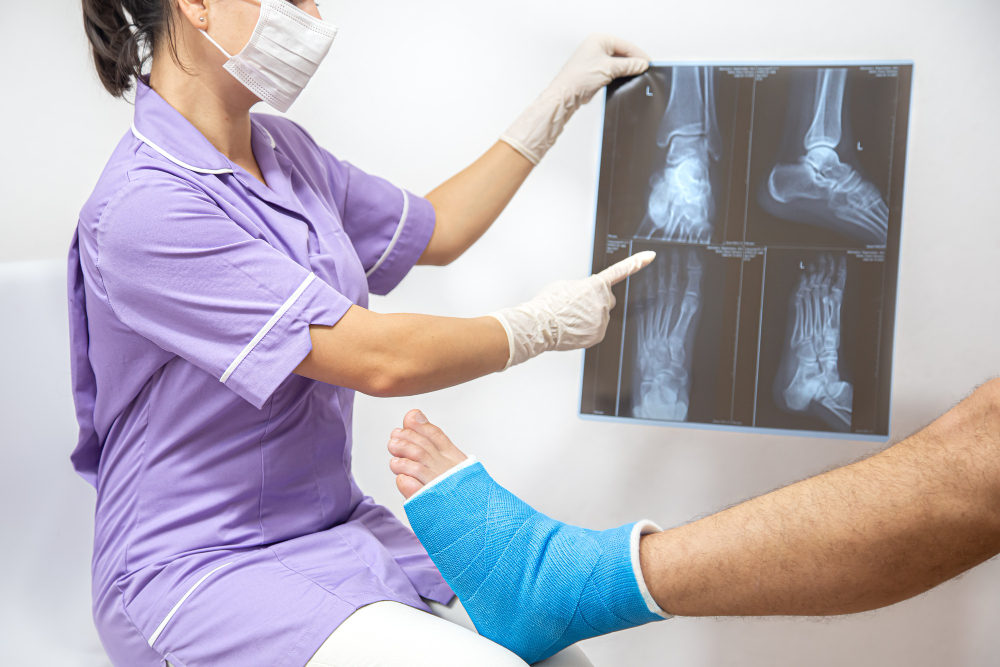
Many people experience bone pain or joint stiffness but delay seeking medical care, hoping the problem will resolve on its own. This delay can lead to serious, long-lasting consequences. When bone and joint issues go untreated, pain often worsens, movement becomes severely limited, permanent disability can develop, and the condition may become far more difficult and expensive to treat.
Understanding what happens when you ignore these warning signs helps explain why early orthopedic evaluation is so important.
Dr. Tarkit Modi, an experienced orthopedic doctor in Indore, frequently counsels patients about the risks of postponing care. Early intervention prevents irreversible damage and helps restore normal function. Delaying treatment often converts manageable problems into lifelong challenges.
What Are Common Bone and Joint Problems?
Bone and joint issues affect millions of people, especially in countries like India, where activity levels are high, and healthcare access can be inconsistent.
Common problems include:
- Osteoarthritis – Gradual cartilage wear in knees, hips, shoulders, or spine
- Fractures – Broken bones from falls, accidents, or sports injuries
- Ligament injuries – Torn ACL, MCL, or other ligaments that stabilize joints
- Disk problems – Herniated or slipped discs pressing on nerves in the back or neck
- Rheumatoid arthritis – an autoimmune condition causing joint inflammation
- Tendon injuries – Torn rotator cuff, Achilles tendon, or other structures
- Muscle strains – Overstretched or torn muscle fibers
Many of these conditions cause pain but are otherwise painless enough that people manage at home, hoping improvement will come naturally. This hope often leads to regret.
What Happens When Joint Pain Is Ignored?
The natural progression of untreated joint problems follows a predictable—and unfortunate- pattern.
- Week 1-2: Pain starts, you rest and try home remedies. Pain may improve slightly.
- Week 3-8: Pain persists or returns. Movement becomes limited. You notice swelling or stiffness.
- Months 2-3: Function declines noticeably. Simple activities (climbing stairs, opening jars, walking) become difficult.
- Month 3+: Chronic pain develops. Movement limitations become obvious. You’ve adapted to pain by favoring the opposite side, creating new problems in other joints.
- Year 1: Permanent changes occur. Without proper diagnosis and treatment, cartilage damage continues progressively, muscle around the joint weakens from disuse, and pain becomes constant rather than intermittent.
Long-Term Complications of Untreated Orthopedic Issues
- Permanent Stiffness and Loss of Motion
When joints aren’t treated, scar tissue forms and flexibility decreases. Early treatment addresses inflammation and keeps joints mobile. Delayed treatment leaves patients with permanent restrictions; they can’t bend their knee fully, raise their arm overhead, or turn their head normally.
- Progressive Cartilage Damage and Arthritis
Cartilage—the smooth tissue lining joint surfaces—doesn’t regenerate once damaged. Untreated fractures of the joint (especially knee, hip, or wrist) often lead to early-onset osteoarthritis because abnormal forces now stress the joint surface. What could have been prevented through early treatment becomes a permanent arthritic condition.
- Chronic Pain That Becomes Difficult to Treat
Pain from untreated injuries often becomes chronic, meaning it persists for months or years, even after the initial problem has technically “healed.” Nerve damage from delayed treatment, scar tissue, and persistent inflammation create pain that medications alone cannot adequately control.
- Muscle Weakness and Wasting
When you avoid using an injured joint due to pain, the muscles supporting that joint weaken. This muscle weakness persists even after pain improves, leaving the joint unstable and vulnerable to re-injury. Rebuilding that strength takes months.
- Bone Healing Complications
For fractures specifically, delayed treatment can lead to:
- Nonunion – Bones fail to heal completely, resulting in chronic instability and pain requiring complex surgery
- Malunion – Bones heal in the wrong position, causing deformity and abnormal joint mechanics
- Avascular necrosis – Bone cells die due to insufficient blood supply, causing gradual bone collapse
All of these complications are largely preventable with early intervention.
- Infection (Particularly in Open Fractures)
When bone protrudes through the skin, infection risk escalates dramatically. Delayed treatment of open fractures can lead to serious bone infections (osteomyelitis) that threaten limb viability or life.
- Deformity and Cosmetic Changes
Untreated fractures and joint injuries can result in visible deformity—bent fingers, crooked limbs, and spinal curve changes. While painful, the psychological impact of permanent deformity often exceeds the physical impact.
How Delayed Treatment Affects Daily Life and Mobility?
- Decreased independence: Simple tasks become challenging. Climbing stairs, walking distances, self-care, and work become difficult or impossible.
- Reduced quality of life: Chronic pain interferes with sleep, mood, relationships, and social participation. Studies show that people with untreated chronic joint pain have higher rates of depression and anxiety.
- Loss of employment: Inability to work due to pain or disability affects financial security and personal identity.
- Reduced life expectancy: In serious conditions like rheumatoid arthritis, untreated disease roughly doubles mortality risk compared to people without the condition.
- Social isolation: Pain and mobility limitations reduce social participation, leading to isolation and depression.
Specific Risks: Fractures, Arthritis, and Ligament Injuries
- Untreated Fractures
Clinical experience shows that delayed fracture treatment increases complication rates dramatically. Early intervention reduces mortality and serious complications, while delays extend hospital stays, increase infection risk, and lead to chronic pain.
- Untreated Arthritis (Especially Rheumatoid Arthritis)
Rheumatoid arthritis is progressive if untreated. 80-85% of patients develop permanent joint damage, with most damage occurring in the first 2 years. Critically, early treatment (within 3-6 months of symptom onset) can stop disease progression and prevent permanent deformity. Waiting beyond 6 months dramatically increases permanent damage risk.
- Untreated Ligament Injuries
Torn ligaments that aren’t repaired lead to chronic instability. Studies show that delaying rehabilitation after ankle injuries increases re-injury risk by 28%. Joints become unreliable during activity, increasing risk of new injuries.
How Early Orthopedic Care Prevents Complications?
An orthopedic specialist in Indore intervenes early to:
- Achieve accurate diagnosis through examination and imaging
- Prescribe appropriate treatment (medicines, injections, physiotherapy, or surgery)
- Prevent progressive damage before permanent changes occur
- Restore function quickly and completely
- Reduce pain to manageable levels
- Enable return to work, sports, and normal activities
- Prevent chronic conditions from developing
The difference between treatment within days versus months can mean the difference between complete recovery and permanent disability.
Why Early Orthopedic Care Matters?/
Bone and joint problems do not improve reliably on their own. Ignoring pain or delaying professional evaluation often transforms manageable conditions into lifelong challenges. Early intervention by an orthopedic doctor prevents permanent damage, enables complete recovery, and protects long-term health and independence.
If you’re experiencing bone and joint problems, don’t wait. Early consultation with an orthopedic specialist can determine whether your condition is urgent, what treatment is appropriate, and what recovery looks like. What feels like a minor inconvenience today might become a major limitation tomorrow, unless you seek expert care now.
FAQs
- What happens if I ignore persistent joint pain?
Ignoring persistent joint pain often leads to worsening inflammation, progressive cartilage damage, chronic pain that becomes difficult to treat, muscle weakness, stiffness, and eventual permanent loss of function. Early treatment prevents these complications; delayed treatment often makes them irreversible.
- Can untreated bone fractures heal on their own?
While some simple fractures may eventually heal without treatment, untreated fractures risk serious complications: improper healing (malunion), failure to heal completely (nonunion), infection (especially open fractures), nerve/blood vessel damage, and chronic pain. Early orthopedic care prevents these complications.
- What is the long-term impact of delayed arthritis treatment?
Delayed treatment of arthritis (especially rheumatoid arthritis) leads to progressive, irreversible joint damage. 80-85% of untreated rheumatoid arthritis patients develop permanent joint damage, with most occurring in the first 2 years. Early treatment (within 6 months) can prevent this damage.
- How does an untreated ligament injury affect the joint?
Untreated ligament injuries lead to chronic instability where joints feel unreliable during activity. Delayed rehabilitation increases re-injury risk by 28% and adds $1400+ in additional costs per episode. The joint becomes prone to further damage.
- Can an untreated fracture cause arthritis later?
Yes, untreated fractures of joints (knee, hip, wrist) significantly increase arthritis risk. Approximately 12% of arthritis cases stem from previous joint injuries, particularly when fractures healed improperly or without treatment.
- What disability risks exist with untreated orthopedic problems?
Untreated bone and joint problems lead to chronic pain, permanent loss of mobility, inability to work, reduced independence in daily activities, and psychological effects (depression, anxiety). Risk of permanent disability increases 40-60% with delayed treatment.
- Is early orthopedic treatment always necessary?
Not every minor pain requires specialist care. However, pain persisting beyond 2 weeks, affecting daily activities, or following trauma warrants professional evaluation. Early assessment distinguishes problems needing treatment from those that resolve naturally.
- How quickly should I see an orthopedic doctor after an injury?
Seek immediate evaluation for fractures, severe pain, deformity, or inability to move the affected area. For less severe but persistent pain, evaluation within 24-48 hours optimizes outcomes. Delays beyond 1-2 weeks increase complication risk.
Posted by : Dr. Tarkit Modi
MBBS, MS (Orthopaedics) , FIJR, FIAS- (Fortis Hospital,Delhi)
Specialist in Joint Replacement and Arthroscopy, Shoulder, Hip, Knee & Orthopedic Surgeon in Indore