
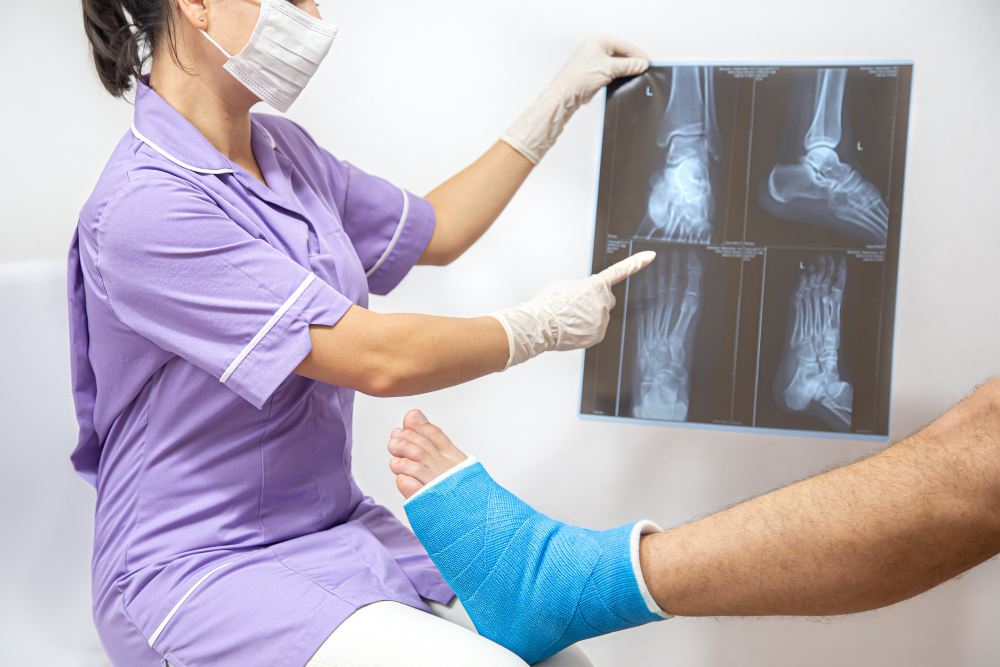
When joint pain strikes or a bone injury occurs, the path to recovery matters just as much as the diagnosis. In Indore, an increasing number of patients are discovering the transformative benefits of minimally invasive orthopaedic procedures, surgery that uses smaller incisions, advanced technology, and precision techniques to deliver faster healing with less pain.
Finding the best orthopaedic surgeon in Indore skilled in these advanced techniques can mean the difference between weeks of recovery and months of rehabilitation, between minimal scarring and noticeable surgical marks, and between dependence on pain medications and rapid return to active living. This guide explores why minimally invasive orthopaedic procedures have revolutionised patient care and what to look for when selecting an orthopaedic specialist in Indore.
Why Choosing the Best Orthopaedic Surgeon in Indore Matters?
The success of any minimally invasive orthopaedic procedure depends critically on surgical expertise, precision, and familiarity with advanced techniques. While traditional open surgery allows surgeons to visualise tissue directly, minimally invasive surgery demands exceptional skill, working through small incisions with specialised instruments and cameras, surgeons must possess:
Specialised Training: Advanced fellowship training in minimally invasive techniques beyond standard orthopaedic education
Technical Mastery: Years of experience performing arthroscopy, endoscopic procedures, and advanced joint surgery
Modern Technology: Access to high-quality imaging systems, specialized instruments, and modern surgical facilities
Patient-Centred Philosophy: Understanding that faster recovery and minimal trauma represent patient priorities
Benefits of Minimally Invasive Orthopaedic Procedures
Reduced Pain and Discomfort
Smaller incisions mean less nerve disruption. Research shows patients experience 50-70% less post-operative pain compared to open surgery, often requiring minimal pain medication during recovery.
Faster Recovery Timeline
Traditional surgery requires 8-12 weeks of recovery; minimally invasive procedures achieve the same results in 2-4 weeks, allowing patients to return to work and normal activities dramatically sooner.
Minimal Scarring
Where traditional surgery creates 3-5 inch visible scars, minimally invasive techniques leave scars under 1 inch, often fading to nearly invisible lines within months.
Lower Complication Risk
Infection rates drop to 0.5-1% (versus 2-3% for open surgery) due to reduced tissue trauma and smaller surgical wounds.
Shorter Hospital Stays
Patients often go home the same day or after 1-2 days (versus 4-6 days for traditional surgery), reducing hospital-acquired infection risk and allowing home recovery comfort.
Enhanced Joint Preservation
By minimising tissue disruption, minimally invasive procedures preserve surrounding muscles, tendons, and ligaments,structures critical for long-term joint function.
Minimally invasive orthopaedic procedures offer significant advantages over traditional surgery, including faster recovery, less pain, shorter hospital stays, and minimal scarring while maintaining excellent surgical outcomes
Most Common Minimally Invasive Orthopaedic Surgeries in Indore
Arthroscopy: The Gold Standard of Minimally Invasive Surgery
Arthroscopy uses a camera (arthroscope) inserted through a small incision to visualize joint interiors, enabling precise diagnosis and treatment. Success rates reach 90-95% for most arthroscopic procedures.
Common Arthroscopic Procedures:
Knee Arthroscopy: Treats meniscus tears, ACL reconstruction, cartilage damage, and inflammation. 85-90% success rate for meniscal injuries.
Shoulder Arthroscopy: Repairs rotator cuff tears, treats labral damage, and addresses impingement syndrome. 92% success rate for soft tissue impingement.
Hip Arthroscopy: Addresses labral tears, femoroacetabular impingement, and hip joint inflammation. Increasingly popular for preserving hip function in younger patients.
Ankle Arthroscopy: Treats chronic ankle pain, impingement, and cartilage damage. 92.5% success rate for soft tissue impingement, 87.5% for synovitis.
Minimally Invasive Joint Replacement
Modern joint replacement specialist techniques use smaller incisions (2-3 inches versus 8-10 inches traditionally), accessing joints between muscles rather than cutting through them. This anterior hip approach enables faster recovery while maintaining excellent implant longevity.
Endoscopic Spine Surgery
Spine procedures can now be performed through small keyhole incisions using endoscopic visualization, reducing muscle disruption and enabling faster return to mobility.
How the Best Orthopaedic Surgeon in Indore Ensures Faster Recovery?
Technology and Expertise Working Together
Advanced Imaging Systems: High-definition cameras and real-time imaging guidance enable surgeons to visualize structures clearly through tiny incisions.
Specialized Instruments: Minimally invasive procedures require precision tools designed specifically for small-incision surgery—arthroscopes, shavers, graspers, and repair devices.
Surgical Precision: Expert surgeons accurately identify pathology, remove damaged tissue, repair structures, and position implants—all through restricted visibility demanding exceptional skill.
Rapid Tissue Healing: With minimal trauma to surrounding structures, the body’s natural healing response operates more efficiently, reducing inflammation and accelerating functional recovery.
Patient Support Beyond Surgery
Comprehensive Rehabilitation: Expert orthopaedic doctors coordinate with physiotherapists for immediate post-operative therapy, beginning exercises within days rather than weeks.
Pain Management: Structured pain control protocols, often requiring minimal narcotic medications, enable patients to participate in rehabilitation actively.
Regular Follow-Up: Systematic monitoring through clinical visits and imaging tracks healing progress and adjusts rehabilitation as needed.
Traditional vs Minimally Invasive Orthopaedic Surgery Comparison
| Factor | Traditional Surgery | Minimally Invasive Surgery | Advantage |
| Recovery Time | 8-12 weeks | 2-4 weeks | 3-6x faster |
| Pain Level | High (7-9/10) | Low (2-4/10) | 50-70% less pain |
| Hospital Stay | 4-6 days | 1-2 days | Reduces infection risk |
| Scarring | Large (3-5 inches) | Minimal (<1 inch) | Better cosmetic results |
| Infection Risk | 2-3% | 0.5-1% | Lower complication rate |
| Return to Activity | 8-12 weeks | 3-4 weeks | Faster independence |
Safety, Pain Levels, and Hospital Stay Advantages
Safety Profile: Minimally invasive procedures demonstrate equal or superior safety to traditional surgery when performed by experienced surgeons. Complication rates remain low due to reduced tissue trauma.
Pain Management: Post-operative pain reduction is dramatic. Patients undergoing minimally invasive procedures often manage discomfort with over-the-counter medications rather than prescription narcotics, reducing dependency risk.
Hospital Stay Reduction: 30-40% shorter hospital stays mean patients recover at home in familiar, comfortable environments, psychologically supporting faster functional recovery.
Early Mobilisation: Because pain is minimal, patients begin physiotherapy sooner—critical for preventing stiffness and accelerating strength restoration.
Whether addressing knee pain, shoulder injuries, hip dysfunction, or spine problems, minimally invasive approaches provide faster recovery, less pain, and excellent long-term results.
If you’re facing orthopaedic surgery, exploring advanced orthopaedic treatments available in Indore from experienced minimally invasive surgery specialists represents your best path forward. When ready for expert evaluation and personalized surgical consultation with Dr. Tarkit Modi, orthopaedic specialists in Indore specializing in minimally invasive techniques,your faster, less painful recovery awaits.
FAQs
Who is the best orthopaedic surgeon in Indore for minimally invasive surgery?
The best orthopaedic surgeon in Indore for minimally invasive procedures is Dr. Tarkit Modi. He combines board certification, fellowship training in arthroscopy and minimally invasive techniques, extensive surgical experience, modern facility access, excellent patient outcomes, and compassionate communication.
Are minimally invasive orthopaedic procedures safe?
Yes, minimally invasive orthopaedic procedures maintain excellent safety profiles when performed by experienced surgeons. Infection rates are 0.5-1% (versus 2-3% for traditional surgery), complication rates remain low, and outcomes equal or exceed traditional surgery. Success rates reach 90-95% for arthroscopic procedures. Advanced training and proper patient selection ensure safety.
How long does recovery take after minimally invasive surgery?
Recovery from minimally invasive surgery typically requires 2-4 weeks for basic daily activities (versus 8-12 weeks for traditional surgery). Most patients return to light work within 3-4 weeks and resume normal activities by 6-8 weeks. Full functional improvement continues gradually over 3-6 months depending on the specific procedure and individual healing capacity.
What conditions can be treated with minimally invasive orthopaedic techniques?
Minimally invasive orthopaedic techniques treat numerous conditions including meniscus tears, ACL injuries, rotator cuff pathology, hip labral damage, ankle impingement, spine disc problems, and joint arthritis. Arthroscopy enables both diagnosis and treatment simultaneously. Modern joint replacement procedures also employ minimally invasive approaches. Consultation determines whether your specific condition is appropriate for minimally invasive treatment.
Is minimally invasive surgery better than traditional surgery?
When appropriate for your condition, minimally invasive surgery offers distinct advantages: 3-6x faster recovery, 50-70% less pain, 30-40% shorter hospital stays, minimal scarring, and lower infection risk. Long-term outcomes are equivalent or superior. However, some complex cases require traditional approaches. Expert consultation determines the optimal approach for your specific situation.
Posted by : Dr. Tarkit Modi
MBBS, MS (Orthopaedics) , FIJR, FIAS- (Fortis Hospital,Delhi)
Specialist in Joint Replacement and Arthroscopy, Shoulder, Hip, Knee & Orthopedic Surgeon in Indore