
If your doctor has mentioned shoulder replacement, it’s natural to wonder whether there’s another way forward. Consider a patient in their late 50s, told after years of shoulder stiffness that replacement “might eventually be needed” a common situation, and understandably an unsettling one to sit with.
Here’s the direct answer: shoulder replacement is not automatically the first or only treatment. Depending on the cause and severity of the joint damage, physiotherapy, medication, injections, activity changes, or a joint-preserving procedure like arthroscopy may be tried first. Whether these are enough or whether replacement is the more appropriate path depends on your specific diagnosis.

Can You Avoid Shoulder Replacement Surgery?
In many cases, yes, especially in early or moderate shoulder arthritis. Most orthopedic surgeons follow a conservative-first approach, starting with physiotherapy, medication, and injections before considering surgery. But this isn’t universal: severe cartilage loss, advanced arthritis, or a badly damaged rotator cuff may mean non-surgical care can manage symptoms for a while but won’t resolve the underlying joint damage. The right approach depends on your imaging findings, symptom severity, and how you’ve responded to treatment so far.

When Is Shoulder Replacement Surgery Usually Considered?
Replacement is typically considered when there is advanced arthritis with significant cartilage loss, persistent pain (including pain at rest or at night), a major loss of movement, and when appropriate conservative treatment hasn’t given meaningful relief. It’s also considered when shoulder problems are clearly limiting daily activities dressing, reaching overhead, sleeping. Age alone isn’t the deciding factor; joint condition, function, and impact on quality of life matter more.
5 Alternatives to Shoulder Replacement Surgery
1. Physiotherapy and Targeted Shoulder Exercises
Physiotherapy is usually the starting point for shoulder arthritis and pain. A structured program can improve range of motion, strengthen the muscles that support the joint, and correct posture or movement patterns that add strain. It tends to help most in early-to-moderate arthritis and is often combined with other treatments rather than used alone. In advanced arthritis with significant bone-on-bone changes, physiotherapy can still improve function, but it’s unlikely to be sufficient by itself.

2. Medicines and Pain Management
Pain-relieving and anti-inflammatory medications are commonly used to manage flare-ups and everyday discomfort. The right choice depends on your overall health, other medications, and any existing conditions. This is a decision for your doctor, not something to self-manage long-term. Medication generally controls symptoms rather than reversing joint damage.
3. Shoulder Injections
Corticosteroid injections into the shoulder joint can reduce inflammation and provide meaningful, if temporary, pain relief often useful for getting through a flare-up or making physiotherapy more tolerable. Hyaluronic acid (“gel”) injections are another option some surgeons use for joint lubrication. Neither reverses cartilage damage, and relief is usually temporary rather than lasting indefinitely. Platelet-rich plasma (PRP) injections are sometimes discussed for shoulder arthritis, but the evidence for PRP in this specific joint is still emerging and less established than for corticosteroid or hyaluronic acid injections; it shouldn’t be assumed to work the same way.

4. Activity Modification and Lifestyle Changes
Simple changes in how you use your shoulder can reduce strain and slow symptom progression. This includes limiting repetitive overhead movement, avoiding heavy lifting, adjusting sports or work activities that aggravate the joint, and being mindful of sleep positions. Staying generally active within a comfortable range rather than avoiding all movement also supports shoulder health.

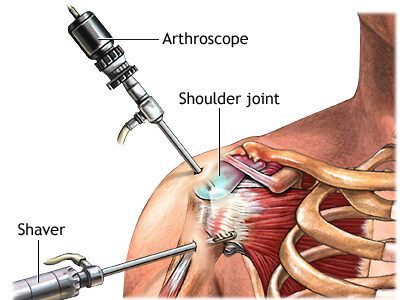
5. Shoulder Arthroscopy or Other Joint-Preserving Procedures
For selected patients, minimally invasive procedures may help before replacement is needed. Arthroscopy can address certain rotator cuff tears, labral problems, or loose bodies within the joint, and in some younger or early-arthritis patients, it may be used alongside debridement to reduce friction and delay more extensive surgery. It’s important to be clear, though: arthroscopy is not a substitute for replacement in advanced arthritis, and it cannot reverse significant cartilage loss. Its role is joint preservation in the right candidate, not a universal alternative.
What Is the Best Alternative to Shoulder Replacement Surgery?
There isn’t a single “best” alternative; the right option depends on the cause of your shoulder pain, how much cartilage damage and rotator cuff involvement is present, your current range of motion, your age and activity level, and how you’ve responded to treatment already tried. A younger, active patient with early arthritis may do well with physiotherapy and activity changes for years, while someone with advanced, bone-on-bone arthritis may find these approaches only take the edge off. An orthopedic evaluation, usually including imaging, is the only reliable way to know which path fits your shoulder.

When Are Alternatives to Shoulder Replacement Unlikely to Be Enough?
Some signs suggest conservative treatment has reached its limit: severe, persistent pain that continues despite physiotherapy, medication, and injections; pain that disturbs sleep or occurs at rest; major loss of shoulder movement; and real difficulty with everyday tasks like dressing, bathing, or reaching overhead. If these symptoms continue despite appropriate non-surgical treatment, it’s time for a fresh medical evaluation rather than continuing to push through discomfort.
Shoulder replacement isn’t automatically the first step, and several alternatives physiotherapy, medication, injections, activity modification, and select joint-preserving procedures genuinely help many patients, sometimes for years. But these options don’t work the same way for everyone, and advanced joint damage may eventually need surgical treatment regardless of which alternatives are tried. The most useful next step is an accurate diagnosis of what’s actually happening in your shoulder.
If persistent shoulder pain is affecting your daily life, consult Dr. Tarkit Modi, an orthopedic surgeon in Indore, for an evaluation and a treatment plan suited to your condition.
Comparison Table
| Treatment | What It May Help With | When It May Be Considered | Main Limitation |
| Physiotherapy | Range of motion, muscle strength, function | Early-to-moderate arthritis; alongside most other treatments | May not be enough alone in advanced arthritis |
| Medication | Pain and inflammation control | Flare-ups; ongoing symptom management under medical guidance | Doesn’t address underlying joint damage |
| Injections (corticosteroid/HA) | Temporary pain relief, easier participation in therapy | Moderate arthritis; bridging to other treatments | Relief is usually temporary; doesn’t reverse cartilage loss |
| Activity modification | Reduced strain, slower symptom progression | All stages, especially early disease | Doesn’t reverse existing damage |
| Shoulder arthroscopy | Certain rotator cuff/labral issues, loose bodies | Selected younger patients or early-stage disease | Not effective for advanced, bone-on-bone arthritis |
| Shoulder replacement | Pain relief and restored function in advanced disease | Severe cartilage loss, failed conservative treatment, major functional impact | Major surgery with a recovery period; not the first-line option |
FAQs
1. Can shoulder replacement surgery be avoided?
In many cases, especially with early or moderate arthritis, non-surgical treatment can manage symptoms effectively for a long time. However, avoidance isn’t guaranteed — it depends on how much joint damage is present and how you respond to conservative care. An orthopedic evaluation is the best way to know your specific situation.
2. What is the best alternative to shoulder replacement?
There’s no single best option for everyone. The right choice depends on your diagnosis, the extent of cartilage and rotator cuff damage, your age, activity level, and how earlier treatments have worked. Most patients benefit from a combination approach rather than one treatment alone.
3. Can physiotherapy help avoid shoulder replacement?
Physiotherapy can meaningfully improve strength, mobility, and pain in early-to-moderate shoulder arthritis, and is usually the first treatment tried. In advanced arthritis, it can still support function but may not fully control symptoms on its own.
4. Do injections help shoulder arthritis?
Corticosteroid and hyaluronic acid injections can provide real, though usually temporary, pain relief and can make physiotherapy more effective. They don’t reverse cartilage damage, so their benefit tends to be time-limited rather than permanent.
5. Is shoulder arthroscopy an alternative to shoulder replacement?
For select patients particularly those with certain rotator cuff tears, labral problems, or loose bodies rather than advanced arthritis arthroscopy can help delay or avoid replacement. It’s not a substitute for replacement once arthritis is advanced.
6. How do I know if I need shoulder replacement surgery?
Signs that point toward needing an evaluation for replacement include severe or persistent pain, pain at night or rest, major loss of movement, and difficulty with daily activities despite appropriate non-surgical treatment. Imaging and a clinical exam confirm the extent of joint damage.
7. How long can non-surgical shoulder treatment work?
This varies widely by patient and diagnosis. Some people manage symptoms with physiotherapy, medication, and periodic injections for years, while others with more advanced joint damage find relief is shorter-lived. Regular follow-up with your orthopedic surgeon helps track whether treatment is still working.
8. When should I see an orthopedic surgeon for shoulder pain?
See a specialist if shoulder pain is persistent, worsening, disturbing your sleep, or limiting everyday tasks like dressing or reaching overhead especially if it hasn’t improved with rest or basic home care. Earlier evaluation generally means more treatment options are available.